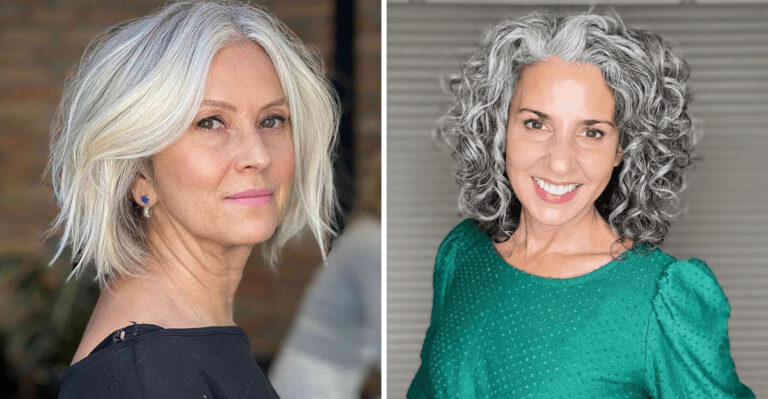
20 facili consigli e trucchi per ottenere capelli sani e folti
It’s time to transform your hair! No more breakage, tangling ends. No more thin, fragile, and lifeless tresses.

Here’s the harsh truth: your hair texture is inwritten in your DNA. Sadly, that means that there isn’t a magical way for you to change the type of your hair. However, what you can do is make it visually thicker, shinier, and more beautiful. Most importantly, you can make it healthier!
20 consigli e trucchi per capelli più sani
1. Conoscere i capelli
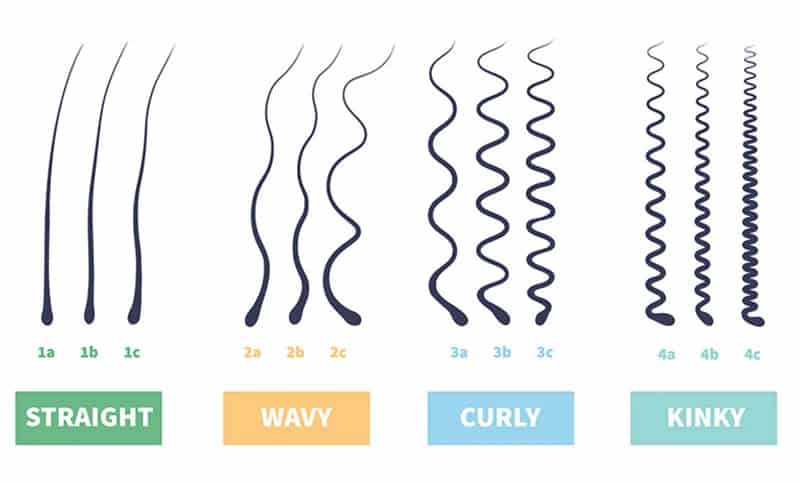
In order to start your hair care journey, firstly, you have to know what you’re dealing with, right? To do that, you have to get to know your hair. Or to be precise, you have to learn your hair type.
Correlato: -7 Straight-Hair Problems No One Talks About And 8 Easy Fixes That Shine
Is your hair thin, thick, fine, curly, or straight? What are you dealing with here? Once you get those answers, you’ll know exactly what kind of care your hair actually needs.
2. Meno calore sui capelli
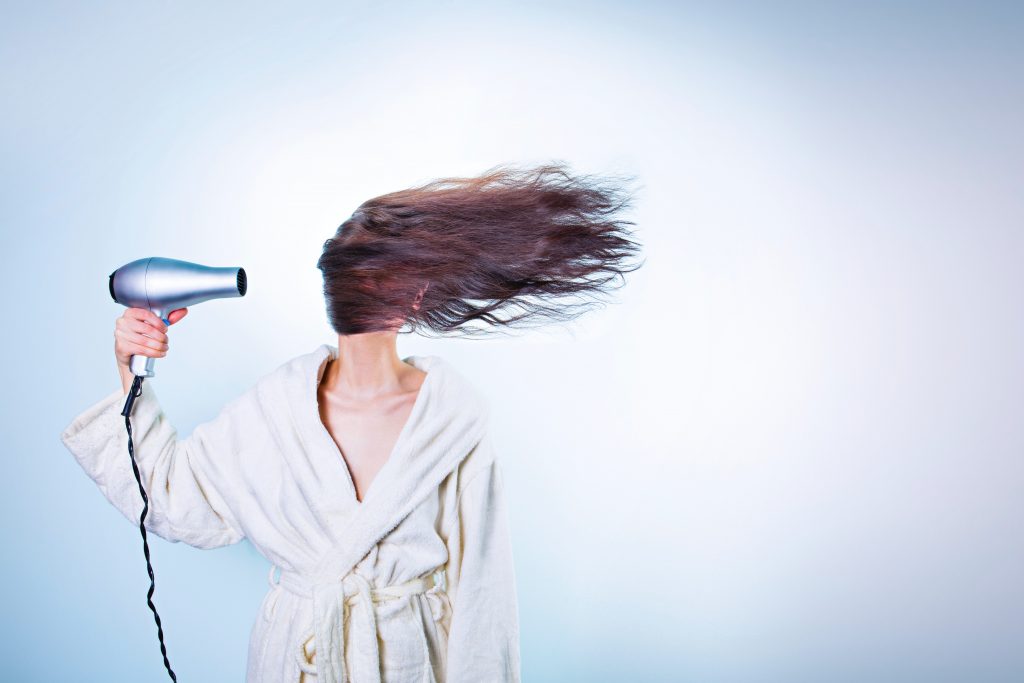
As a hairdresser, I struggle with reviving damaged hair every day. And you know what’s the number one cause of hair breakage, split ends, and dry hair? Excessive heat!
Don’t worry, I’m not here to judge you. I know that flat and curling irons can be real-life savers from time to time. Yes, they help you style and put together your hair in no time. But at what cost?
I’m sure you had no idea that exposing your hair to too much heat can easily result in your hair’s keratin strands being altered. You have no idea what this means? Well, to put things simply: you end up having damaged and weaker hair.
If you really can’t live without curling or flat irons, do your hair a favor, and at least, use them as little as possible.
3. Scrunchies al posto di lacci stretti per capelli
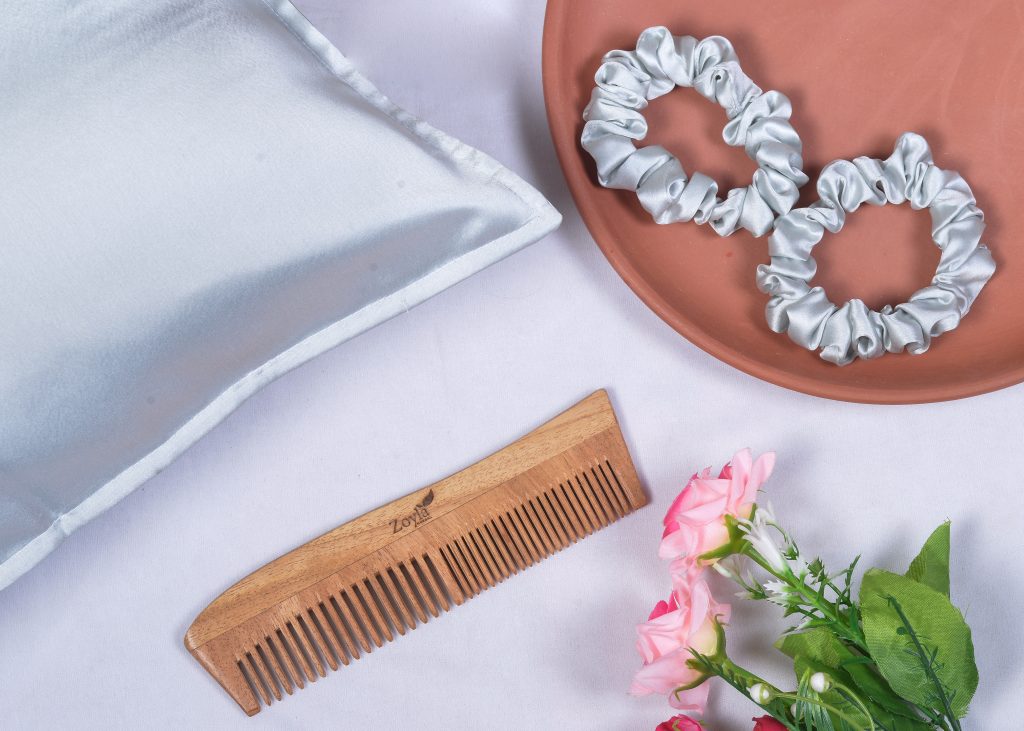
Besides being a beautiful hair accessory, scrunchies are back in fashion, as well. But that’s not the most important thing.
What matters is that they’re the healthiest option for tying your hair. You see, they have a less damaging effect on your hair, especially in comparison to tight hair ties that break your hair. Also, scrunchies are less likely to tangle your hair.
4. Attenzione ai capelli bagnati

I capelli bagnati sono più sensibili di quelli asciutti, a causa dei legami più deboli che si formano. Pertanto, è più probabile che vengano danneggiati.
Per questo motivo è necessario essere molto cauti quando si districano i capelli bagnati, a meno che non si voglia causare ulteriori rotture. Inoltre, assicuratevi di pettinare i capelli dalle punte e poi di risalire verso le radici.
5. Le giuste fodere per cuscini

You’d be surprised by the beneficiary effects of silk or satin pillowcases on your hair. Both of these fabrics are smooth, and therefore, cause less friction. Consequently, there is less hair breakage.
A celebrity hairstylist Justine Marjan says “Friction from cotton can disrupt the cuticle layer, leading to frizz, breakage, sleep crease, and dry strands”. And if Khloe Kardashian and Hailey Bieber believe her, why wouldn’t we?
6. Asciugare i capelli con molta cura
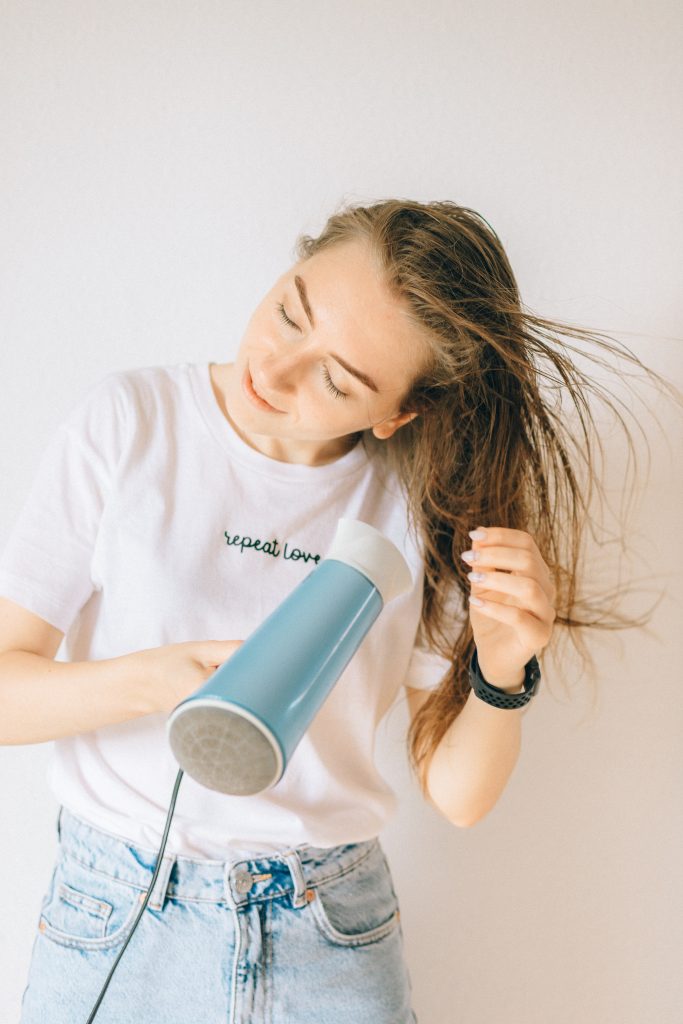
Air drying is the best option, there is no doubt about that. But sadly, you don’t always have the time or the conditions to let your hair dry by itself.
Whether you like it or not, you have to use a blow dryer. And that’s when you should be extra careful.
First of all, you want to detangle your hair. After that, don’t forget to use a heat protectant. The next step is to separate your hair into sections and dry one section at a time.
7. Mantenere il cuoio capelluto oleoso
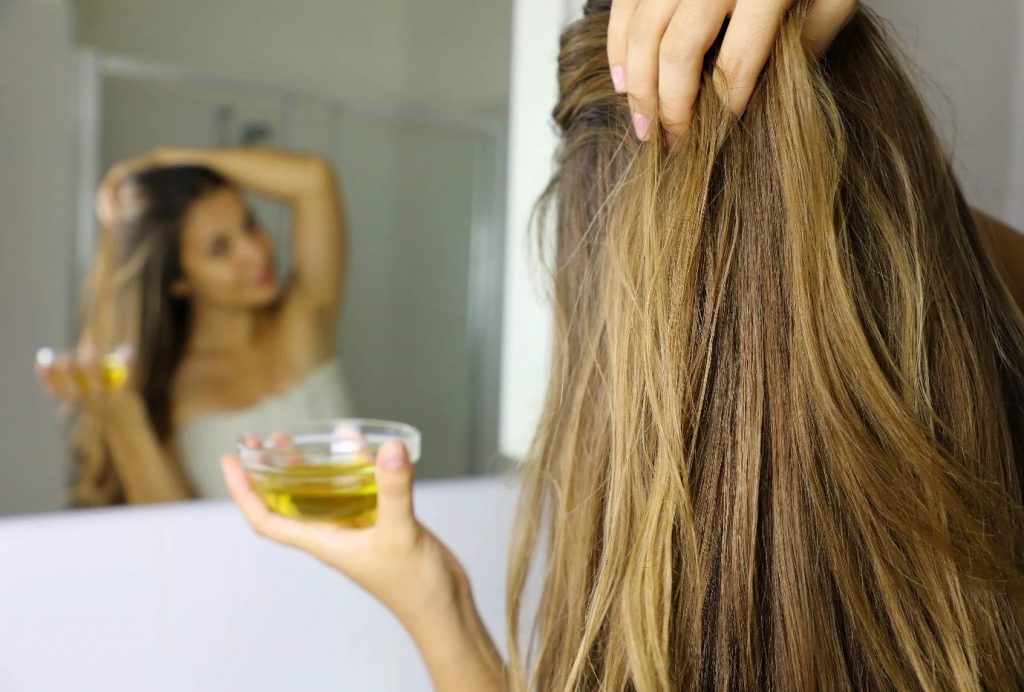
No, don’t put too much oil on your scalp, to the point where your hair will look greasy. However, if you want to get healthy hair, you must keep your scalp moisturized.
Otherwise, you’ll face dryness, flaking, or an itchy scalp. Consequently, you’ll have dry, and lifeless hair.
8. Lavare i capelli con acqua fredda
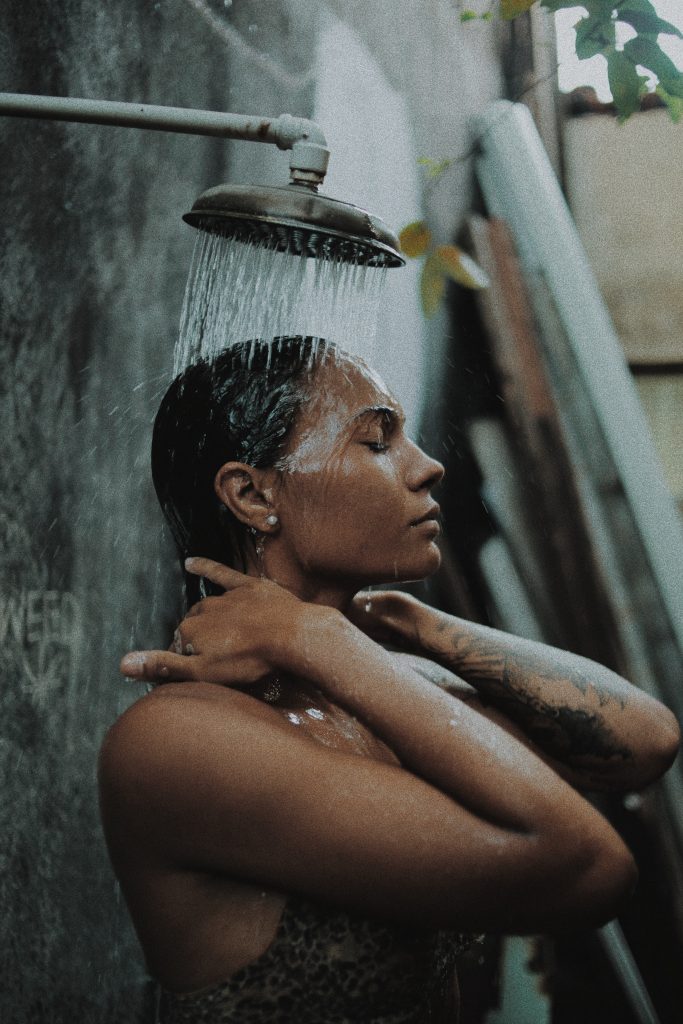
Hot water might be better for removing dirt, grease, or products from your hair. However, cold water is much healthier. A celebrity hairstylist Florian Hurel says: “Washing your hair with cold water helps with closing your cuticle after the wash. This also has the added benefit of helping, along with your haircare products, to make your hair look strong and shiny, and who doesn’t want that?”
9. Spazzolare i capelli con cautela
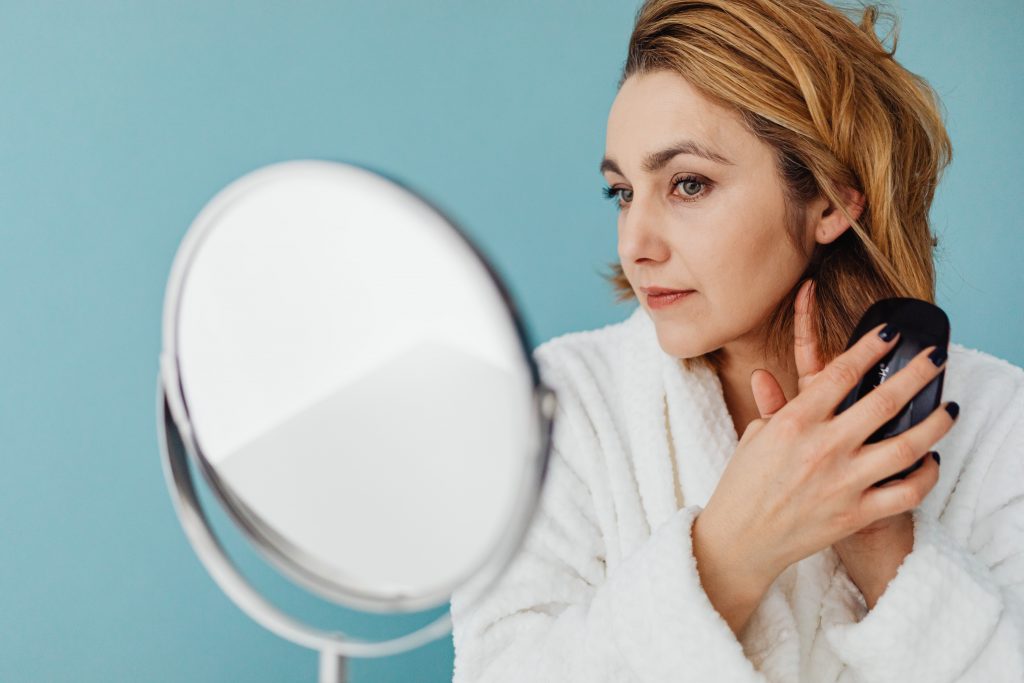
Here’s something we’re all guilty of: brushing our hair from top to bottom. Well, every hair expert will tell you the same: this is the quickest way to damage and break your hair.
Instead, start in the middle and brush down to the ends. Also, don’t forget to
10. Scegliere lo shampoo giusto
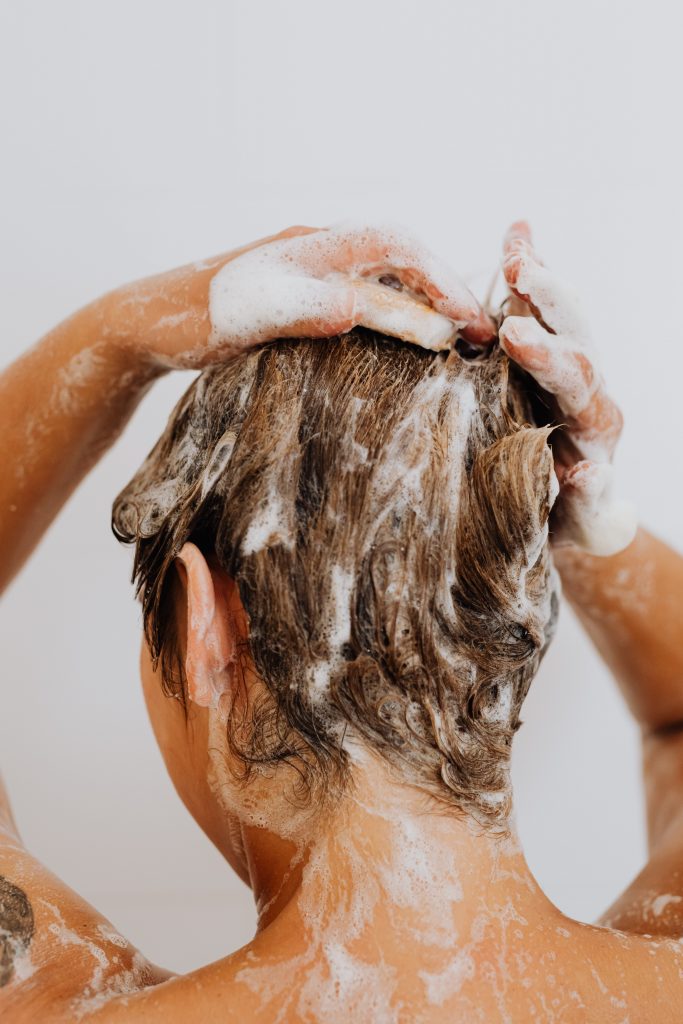
Ricordate che vi ho detto che dovete conoscere il vostro tipo di capelli e la loro struttura? Bene, ora è il momento di scegliere lo shampoo giusto in base a queste informazioni.
Avete bisogno di uno shampoo che risponda alle esigenze specifiche dei vostri capelli. Fortunatamente, la maggior parte dei marchi lo specifica sulla confezione.
11. Imparare a usare il balsamo

You use conditioner after shampoo, so what’s the big science about it? Well, here are some more pro tricks to get the most out of conditioning your hair.
First and foremost, don’t apply conditioner on soaking wet hair; unless you want it to just slide off. Apply the conditioner evenly and only put it on the ends of your hair. Leave it for a couple of minutes, so the hair can absorb it. Finally, don’t forget to rinse it thoroughly.
12. Braciole regolari
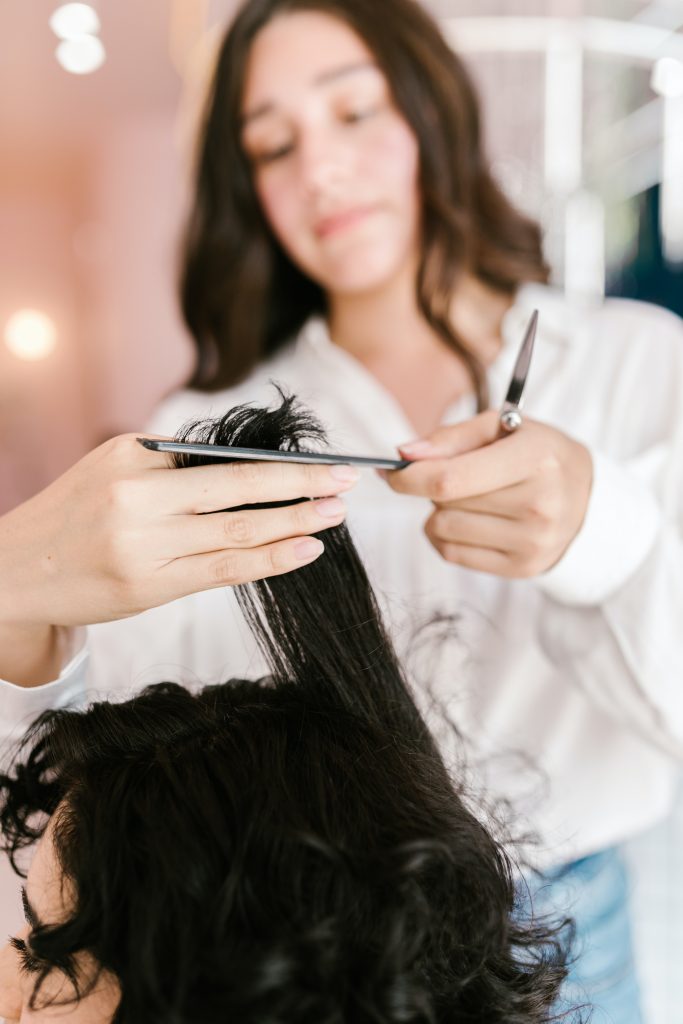
If you’re a fan of long hair like me, every single inch is precious! However, you can’t have healthy hair if you don’t cut split ends on a regular basis.
Freshly cut hair does not only look healthier and more attractive— it also helps detangle your hair. And yes, the myth is true: cutting your hair encourages growth.
13. Don’t wash your hair too often
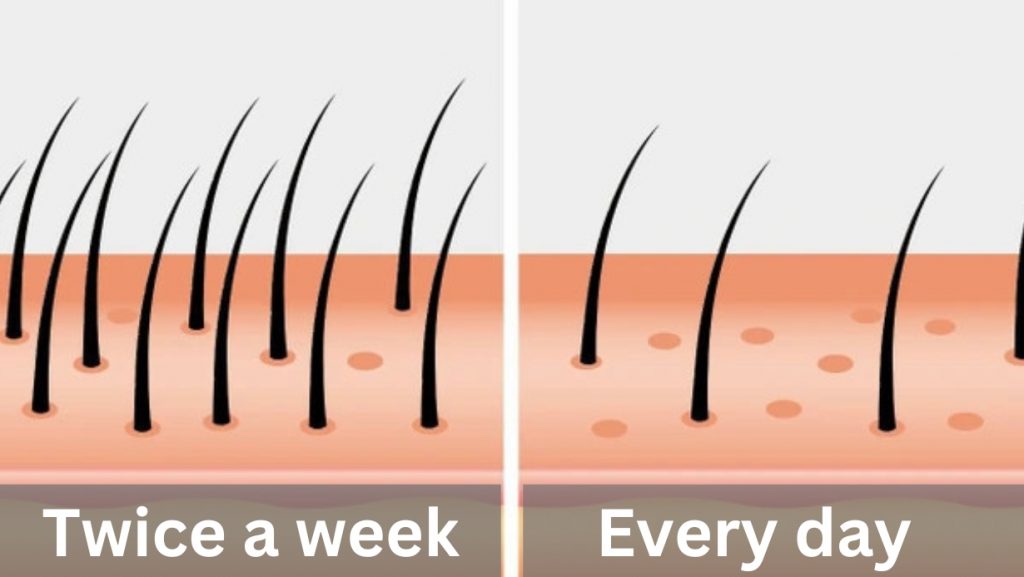
Ogni quanto lavare i capelli? La mia esperienza mi ha insegnato che la risposta ottimale è due volte alla settimana.
Washing your hair every day won’t make it healthier or fuller. In fact, you’ll just end up washing too much of your natural oil. Consequently, you’ll end up with dry hair which is more likely to break.
14. Ridurre lo stress

I capelli sono una parte di voi. È quindi naturale che lo stato interiore del vostro organismo influisca anche sui vostri capelli.
Lo stress è infatti la prima causa di perdita di capelli sia per gli uomini che per le donne. Scientificamente, lo stress mette i follicoli piliferi in una fase di riposo. Ciò significa che i capelli si spezzano o cadono con il tempo.
15. Una dieta equilibrata

You nurture your hair from the “outside”. But for it to grow, it needs protein, vitamins, and minerals. In simple terms, you must eat healthy to have healthy hair.
Una dieta equilibrata dovrebbe includere molte uova, bacche, agrumi, verdure a foglia, noci, semi, soia e carote.
16. Don’t use too many haircare products
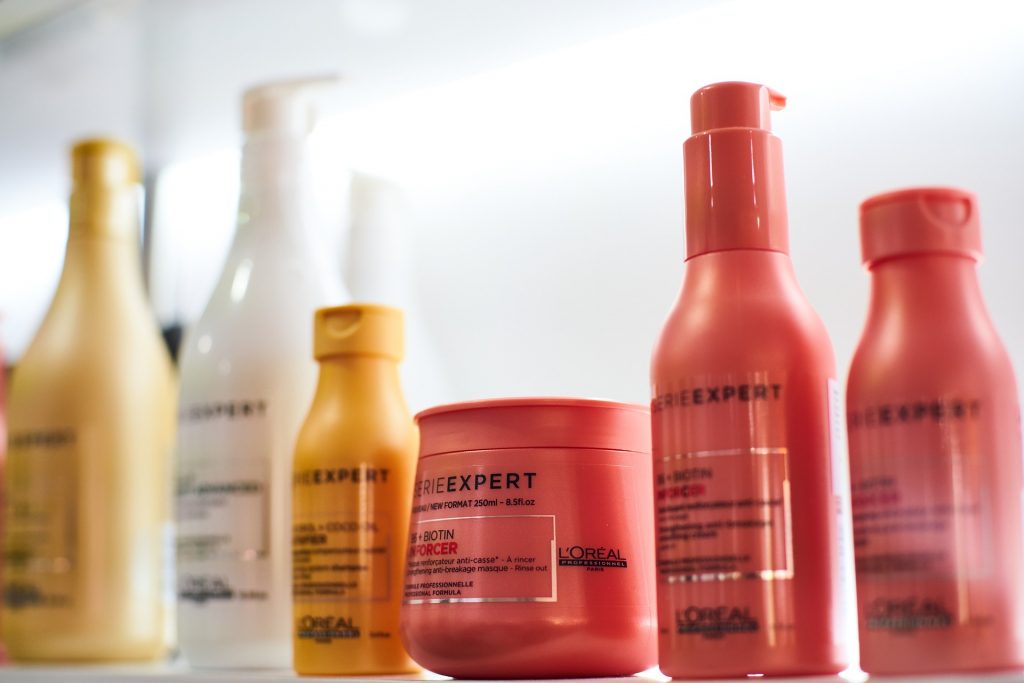
Sapevate che troppi prodotti per capelli possono avere un effetto controproducente? Questo vale soprattutto per i gel per capelli, le lacche e altri prodotti per lo styling.
Troppe proteine o idratanti causano la rottura dei capelli. Inoltre, alcuni prodotti possono causare danni chimici ai capelli.
That’s why it’s crucial to find the perfect balance. Find the products that suit your hair and stick to them!
17. Spazzolare i capelli prima di lavarli
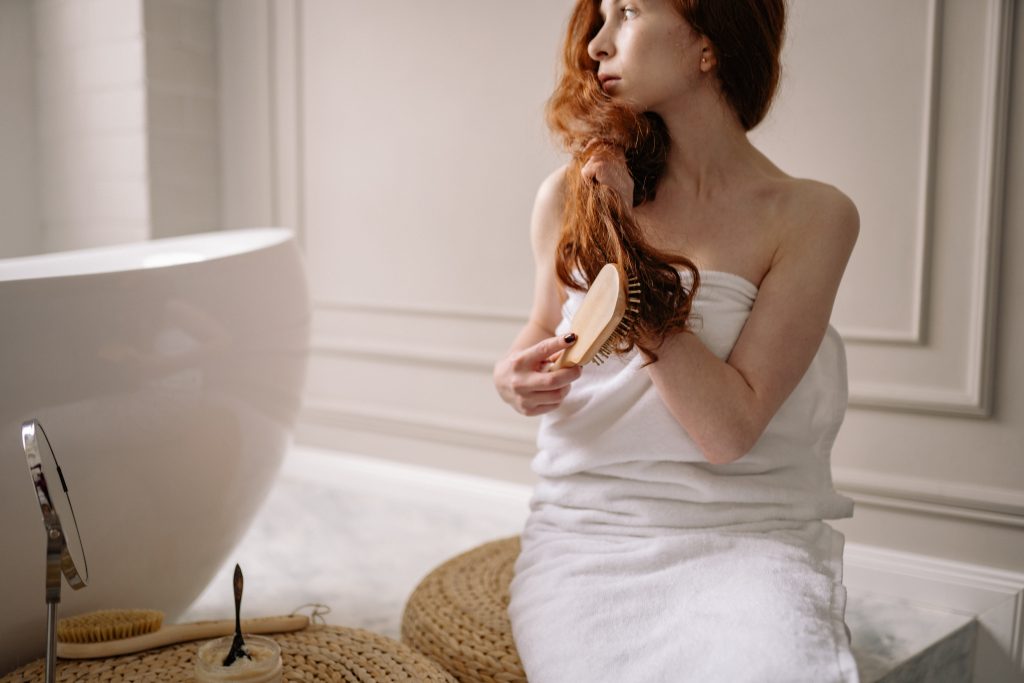
If you want to have healthy, tangle-free hair, don’t forget to brush it before washing it. We’ve already established that wet hair is more fragile, so this is the best way to protect it.
Also, it will be easier for you to apply shampoo and conditioner to untangled, brushed hair. This way, you won’t have to scrub the shampoo. Instead, you can gently rub it into your scalp.
18. Proteggere i capelli

I bet you use different kinds of products to protect your skin from the damaging effects of the Sun. Well, what makes you think that your hair doesn’t require the same kind of protection as well?
I’m not talking about sun protection products for hair only here. What about the wind? The dirt? The pollution? The rain?
Sto parlando di proteggere fisicamente i capelli dall'ambiente, ad esempio usando un cappello o un ombrello. Fidatevi di me: i vostri capelli vi ringrazieranno.
19. Attenzione alle trecce o agli intrecci stretti
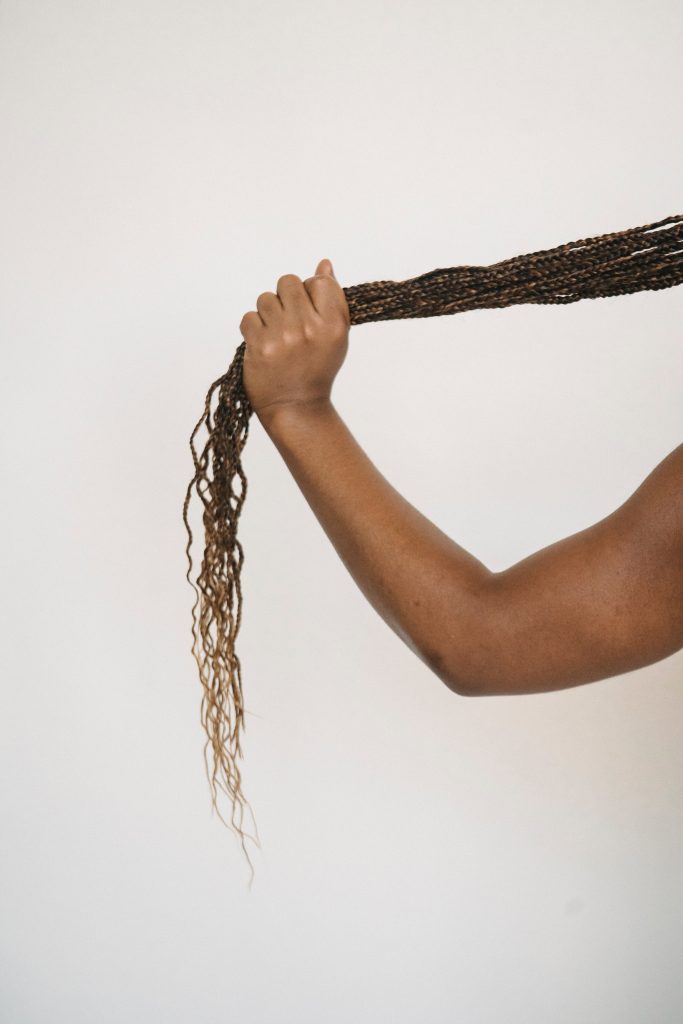
So cosa state pensando: più le trecce sono strette, più a lungo durerà la vostra acconciatura. Ma avete mai pensato a quanto queste acconciature siano dannose per la salute dei vostri capelli?
It’s actually pretty simple: tight braids and weaves create too much tension and pressure on your scalp. They can cause hair breakage or even hair loss.
20. Lasciare che i professionisti facciano il loro lavoro
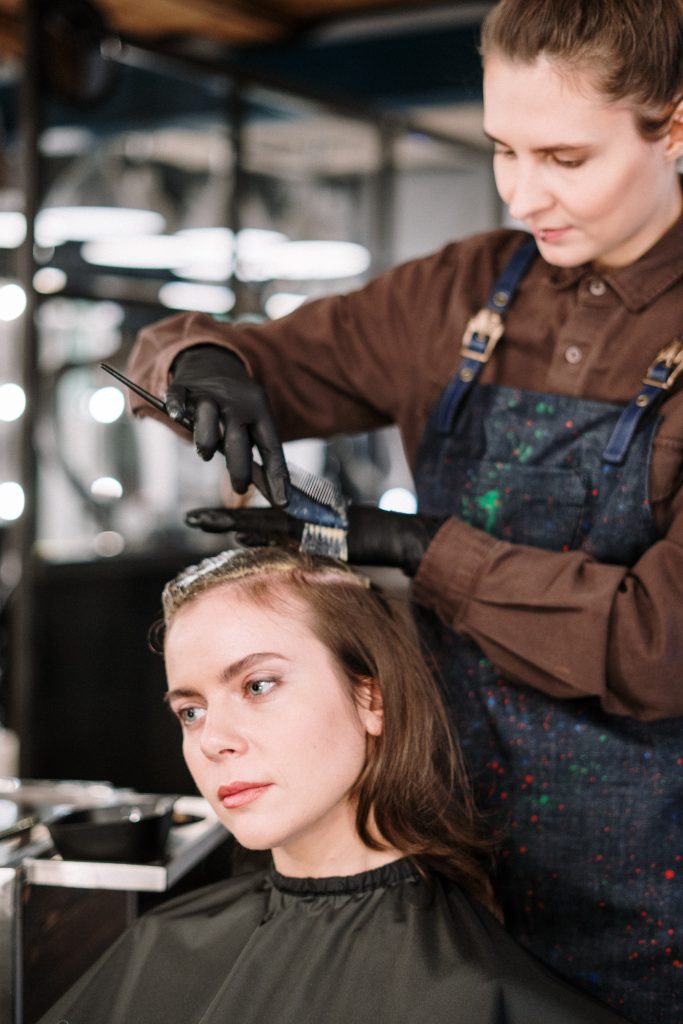
Non c'è nulla di male nell'asciugare i capelli a casa o nel tagliare le doppie punte. Anzi, vi farà risparmiare tempo e denaro.
But please, don’t even think of changing your hair color, bleaching your hair, or applying a keratin hair treatment by yourself. The chances are it will end up looking terrible, but that’s not even the worst part.
You’ll end up damaging your hair beyond repair! If you can’t afford a visit to the hair salon right now, please wait and don’t experiment!
I migliori trattamenti per capelli fatti in casa
Here’s some good news: you don’t have to give a fortune for fancy hair treatments to get healthy hair. Most hair stylists don’t want you to know that DIY hair masks are even more efficient than most expensive products.
1. Maschera all'olio di cocco e uova

Come si fa?
- Mescolare e amalgamare 2 cucchiai di olio di cocco biologico con 1 uovo sbattuto
Come si usa?
- Bagnare i capelli
- Applicare la miscela sui capelli umidi
- Lasciarlo acceso per 15-20 minuti
- Sciacquare con acqua tiepida
A cosa serve?
- Capelli secchi, crespi o ricci
- Mantiene i capelli idratati
- Una fonte di proteine
2. Maschera all'avocado
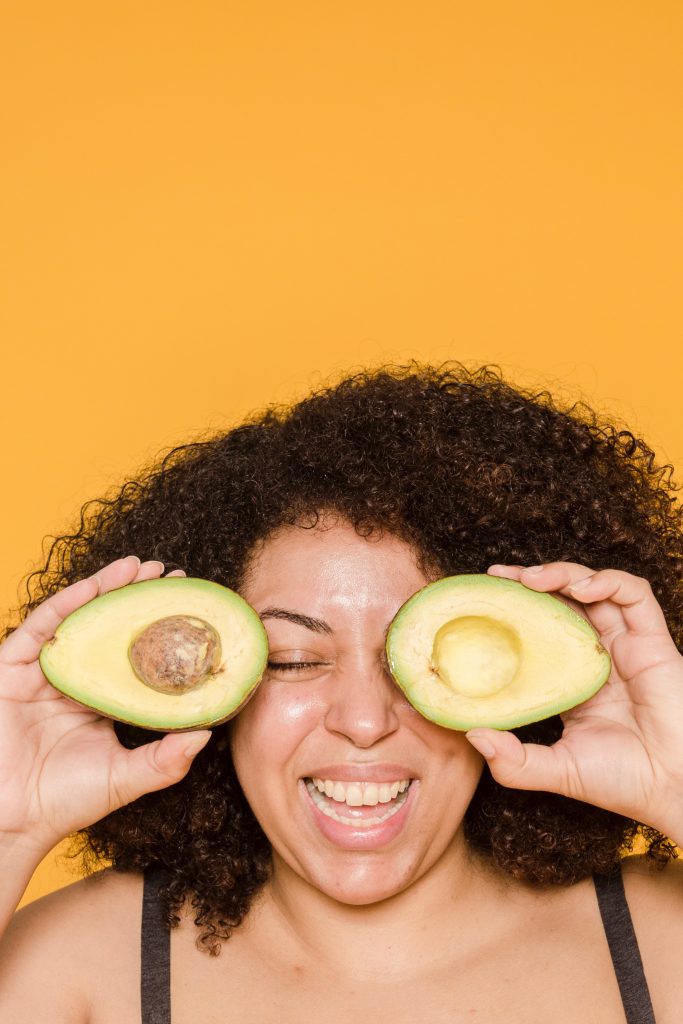
Come si fa?
- Buccia un avocado e tagliarlo a pezzi
- Mettere in un frullatore con 3-4 cucchiai di miele e 3 cucchiai di olio (si può usare olio di cocco, olio d'oliva o olio per capelli).)
- Mix and blend it all together until it’s smooth
Come si usa?
- Applicare la miscela sui capelli bagnati (soprattutto sulle punte).
- Coprite i capelli con una cuffia da doccia (il calore aiuta i capelli ad assorbire meglio gli ingredienti).
- Lasciare la maschera per 20-30 minuti
- Risciacquare
A cosa serve?
- Ideale per i capelli ricci
- Rivitalizza i capelli
- Avocado’s natural oils serve as a conditioner
3. Banana, olio di cocco e miele
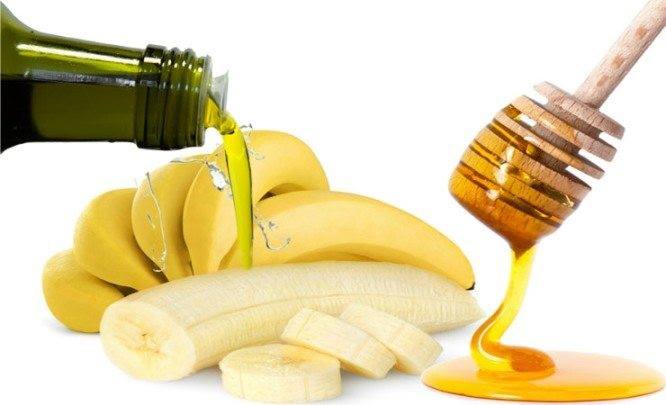
Come si fa?
- Miscela 2 cucchiai di olio di cocco, 1 banana matura schiacciata, e 2 cucchiai di miele finché gli ingredienti non si amalgamano
Come si usa?
- Applicare la maschera sui capelli asciutti
- Indossare una cuffia da doccia
- Lasciarlo acceso per 15-20 minuti
- Risciacquare accuratamente
A cosa serve?
- Ideale per capelli secchi e danneggiati
- Idrata i capelli
- Protegge i capelli dal sole
- Fonte di vitamine e calcio
- Favorisce la crescita dei capelli
4. Mayo, yogurt e olio di mandorle
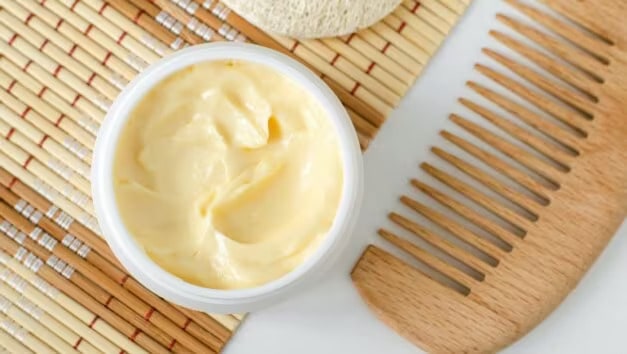
Come si fa?
- Miscela 2 cucchiai di olio di mandorle, 4 cucchiai di maionese e 1 tazza di yogurt greco. finché il tutto non è amalgamato
Come si usa?
- Applicare la miscela sui capelli umidi
- Massaggiatelo sul cuoio capelluto e poi dalle radici alle estremità.
- Lasciarlo acceso per 20-30 minuti
- Risciacquare accuratamente
A cosa serve?
- Ideale per capelli secchi e crespi
- Idrata i capelli
- Aumenta la forza e la morbidezza dei capelli
5. Risciacquo con sidro di mele
Come si fa?
- Miscela 3 cucchiai di aceto di sidro di mele con 15 once di acqua
Come si usa?
- Applicare la miscela sui capelli dopo lo shampoo e il condizionamento.
- Strofinatelo sul cuoio capelluto e su tutti i capelli.
- Lasciarlo acceso per 2-3 minuti
- Risciacquare con acqua fresca
A cosa serve?
- Ideale per capelli grassi e fini
- Ammorbidisce i capelli
- Rafforza i follicoli
- Districa i capelli
- Rimuove l'eccesso di oli dal cuoio capelluto
Infografica: Consigli e trucchi per capelli sani
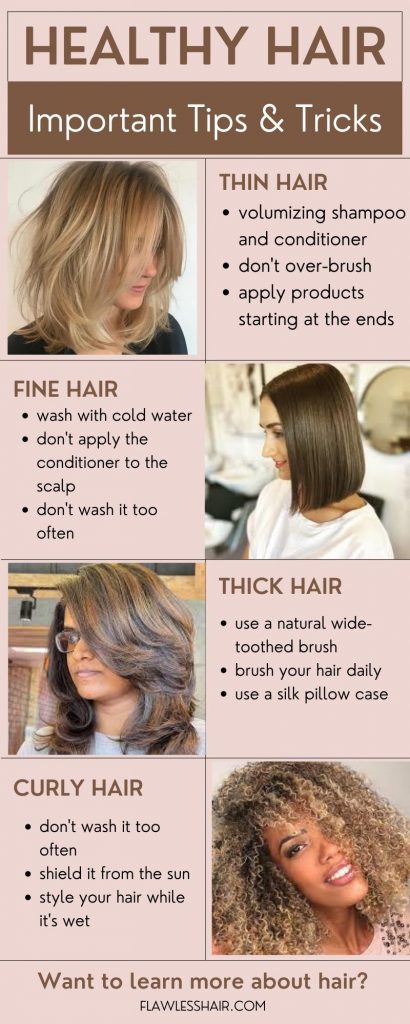
Domande frequenti
Come si fa a sapere se i capelli non sono sani?
- Doppie punte
- Nessuna lucentezza
- Nessuna elasticità
- Rottura
- Mancanza di umidità
Perché i capelli non sono sani?
- Genetica
- Dieta squilibrata
- Over-styling
- Lavaggio eccessivo
- Spazzolatura eccessiva
- Prodotti per capelli sbagliati
- Lo stress
Punti di forza
• Choose the right hair products, according to your hair type and texture
• Don’t wash your hair too often
• Say no to too much heat on your hair
• Change your diet and life habits
• Leave some things to professionals