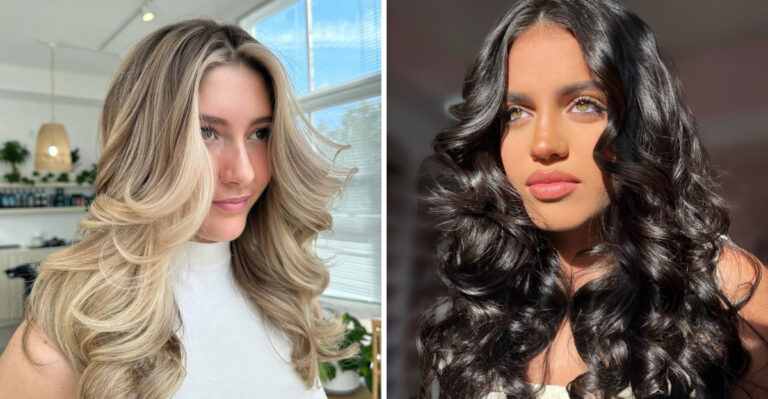
20 dicas e truques fáceis para obter um cabelo espesso e saudável
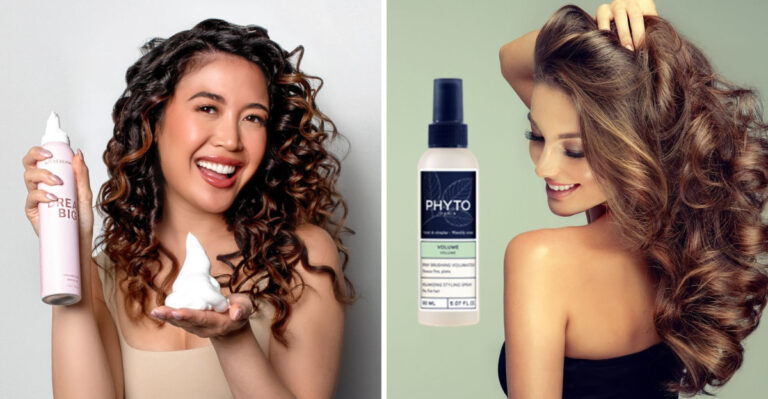
It’s time to transform your hair! No more breakage, tangling ends. No more thin, fragile, and lifeless tresses.

Here’s the harsh truth: your hair texture is inwritten in your DNA. Sadly, that means that there isn’t a magical way for you to change the type of your hair. However, what you can do is make it visually thicker, shinier, and more beautiful. Most importantly, you can make it healthier!
20 dicas e truques para um cabelo mais saudável
1. Conheça o seu cabelo
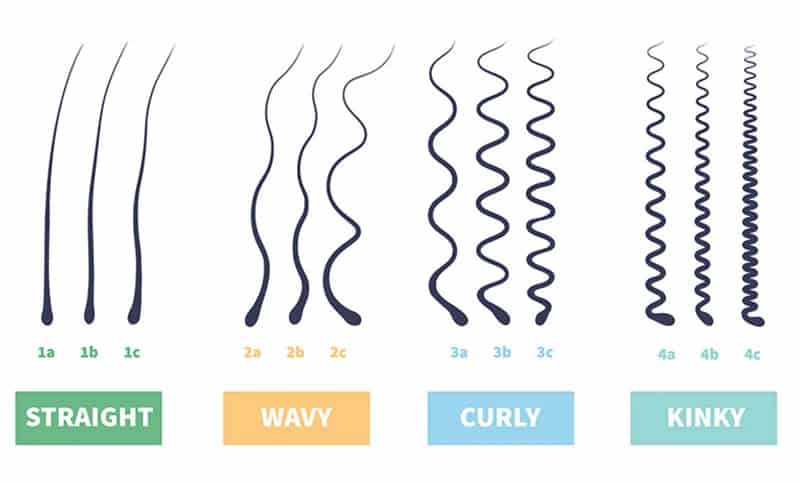
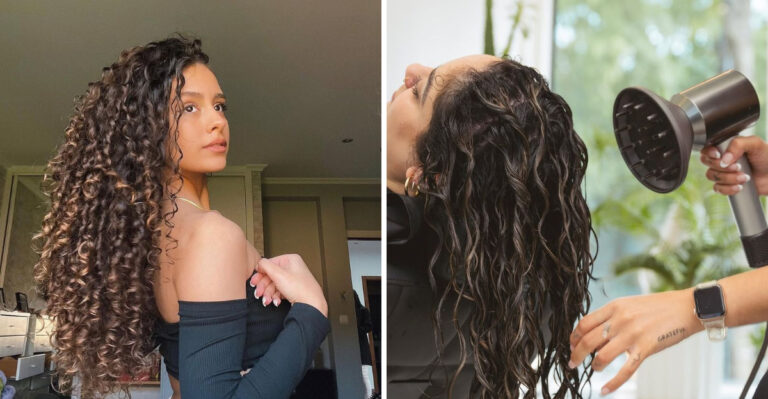
In order to start your hair care journey, firstly, you have to know what you’re dealing with, right? To do that, you have to get to know your hair. Or to be precise, you have to learn your hair type.
Relacionadas: -7 Straight-Hair Problems No One Talks About And 8 Easy Fixes That Shine
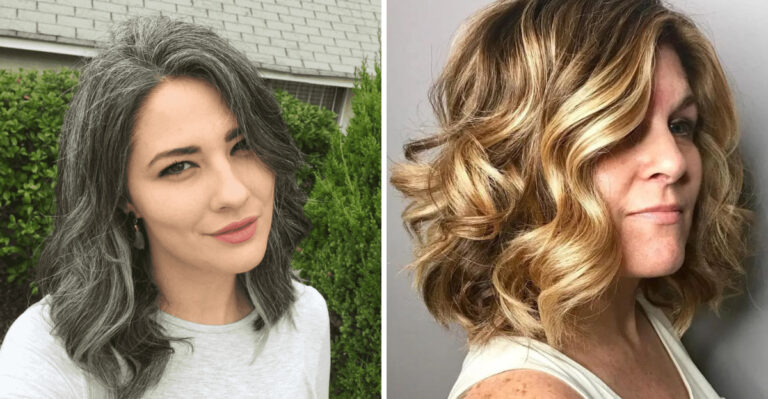
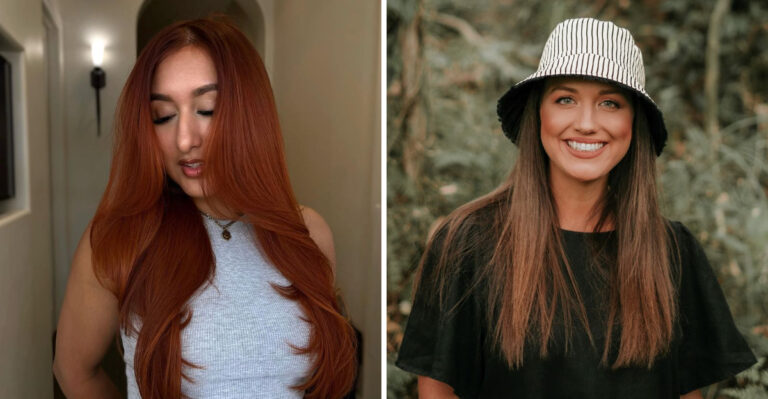
Is your hair thin, thick, fine, curly, or straight? What are you dealing with here? Once you get those answers, you’ll know exactly what kind of care your hair actually needs.
2. Menos calor no seu cabelo
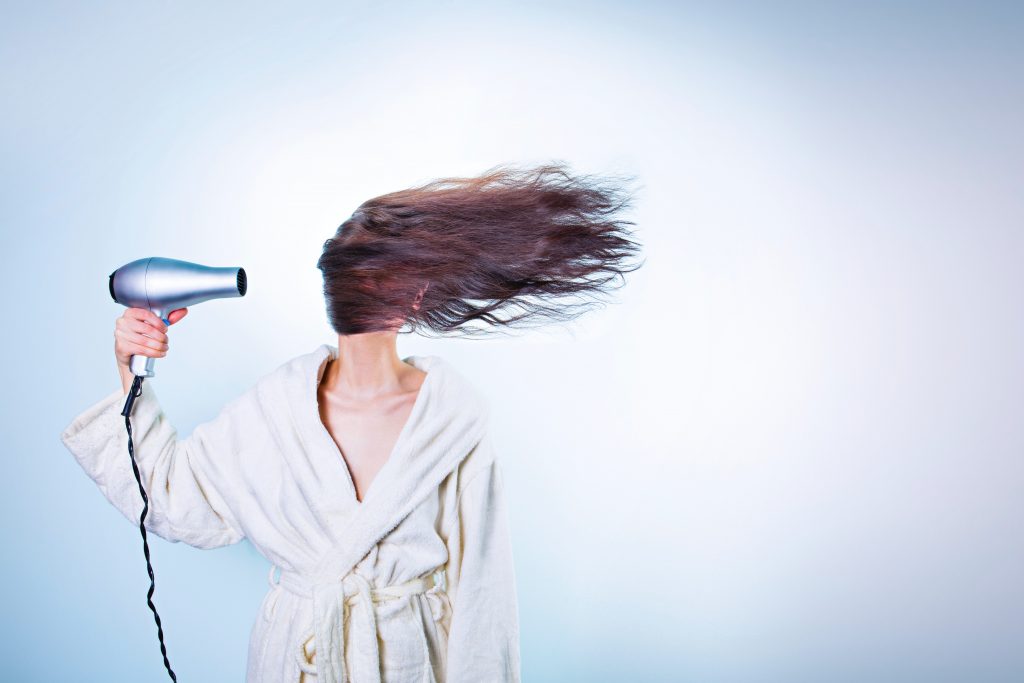
As a hairdresser, I struggle with reviving damaged hair every day. And you know what’s the number one cause of hair breakage, split ends, and dry hair? Excessive heat!
Don’t worry, I’m not here to judge you. I know that flat and curling irons can be real-life savers from time to time. Yes, they help you style and put together your hair in no time. But at what cost?
I’m sure you had no idea that exposing your hair to too much heat can easily result in your hair’s keratin strands being altered. You have no idea what this means? Well, to put things simply: you end up having damaged and weaker hair.
If you really can’t live without curling or flat irons, do your hair a favor, and at least, use them as little as possible.
3. Elásticos em vez de laços de cabelo apertados
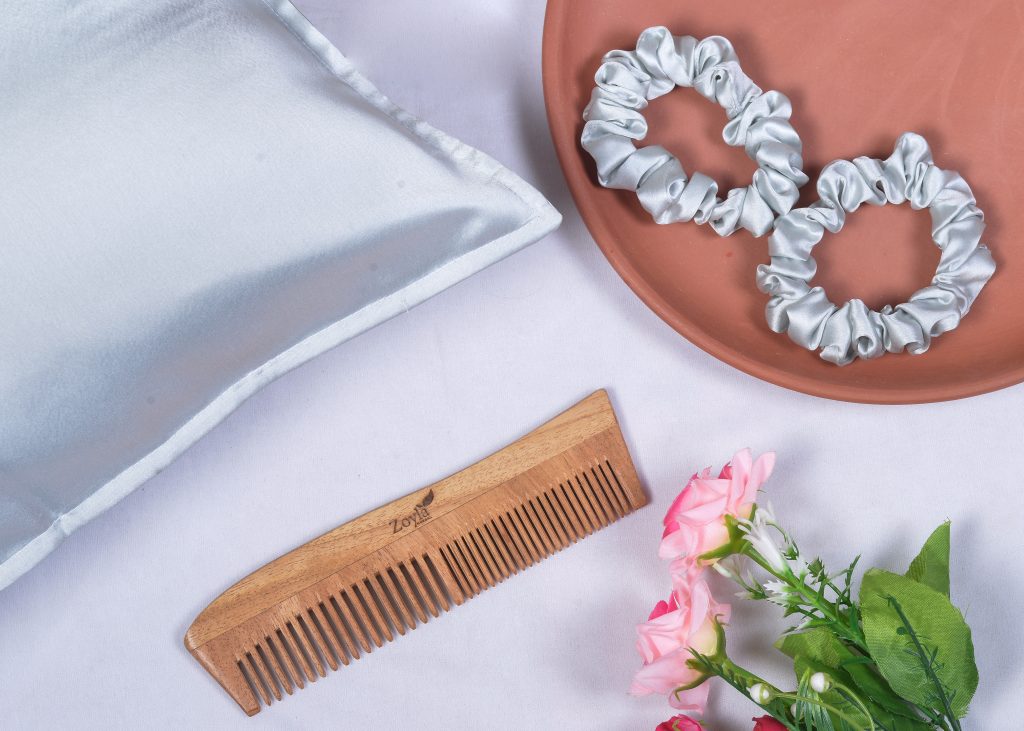
Besides being a beautiful hair accessory, scrunchies are back in fashion, as well. But that’s not the most important thing.
What matters is that they’re the healthiest option for tying your hair. You see, they have a less damaging effect on your hair, especially in comparison to tight hair ties that break your hair. Also, scrunchies are less likely to tangle your hair.
4. Cuidado com o cabelo molhado
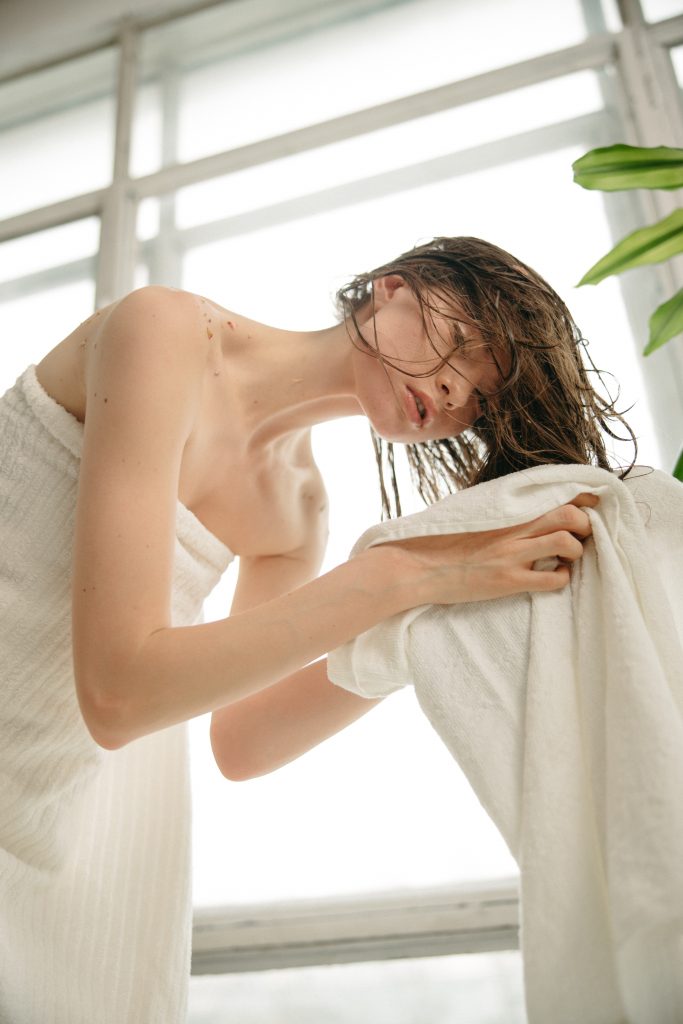
O cabelo húmido é mais sensível do que o cabelo seco, devido às ligações mais fracas que forma. Por conseguinte, é mais suscetível de ser danificado.
É por isso que tem de ser extremamente cautelosa ao desembaraçar o seu cabelo molhado, a não ser que queira causar uma quebra adicional. Além disso, certifique-se de que penteia o seu cabelo nas pontas e depois sobe até às raízes.
5. As capas de almofada certas

You’d be surprised by the beneficiary effects of silk or satin pillowcases on your hair. Both of these fabrics are smooth, and therefore, cause less friction. Consequently, there is less hair breakage.
A celebrity hairstylist Justine Marjan says “Friction from cotton can disrupt the cuticle layer, leading to frizz, breakage, sleep crease, and dry strands”. And if Khloe Kardashian and Hailey Bieber believe her, why wouldn’t we?
6. Secar o cabelo com cuidado extra
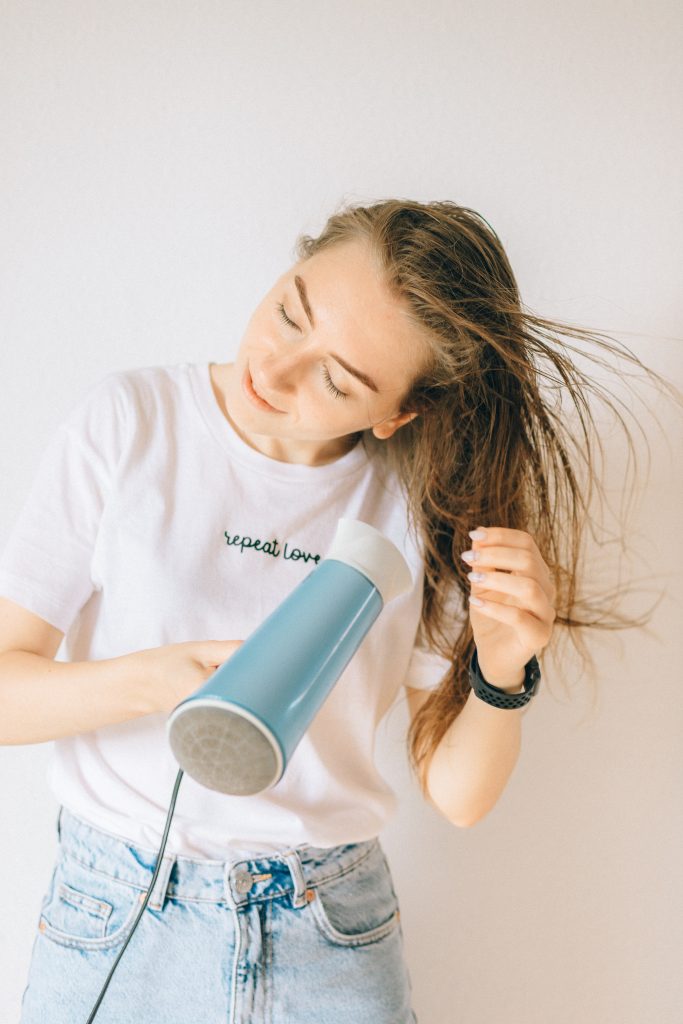
Air drying is the best option, there is no doubt about that. But sadly, you don’t always have the time or the conditions to let your hair dry by itself.
Whether you like it or not, you have to use a blow dryer. And that’s when you should be extra careful.
First of all, you want to detangle your hair. After that, don’t forget to use a heat protectant. The next step is to separate your hair into sections and dry one section at a time.
7. Manter o couro cabeludo oleoso
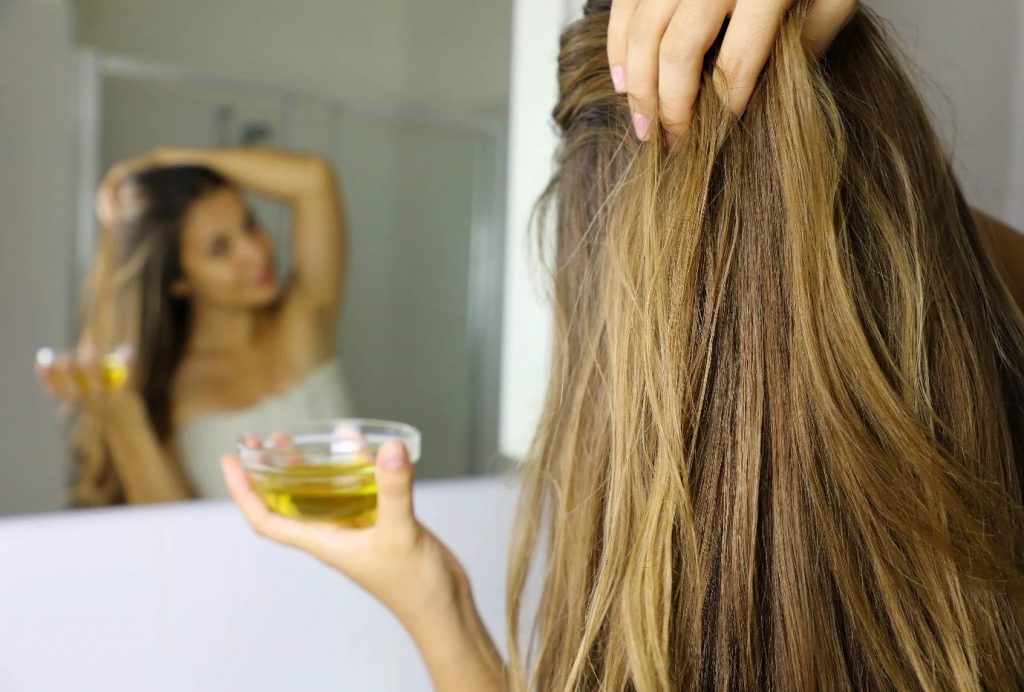
No, don’t put too much oil on your scalp, to the point where your hair will look greasy. However, if you want to get healthy hair, you must keep your scalp moisturized.
Otherwise, you’ll face dryness, flaking, or an itchy scalp. Consequently, you’ll have dry, and lifeless hair.
8. Lavar o cabelo com água fria
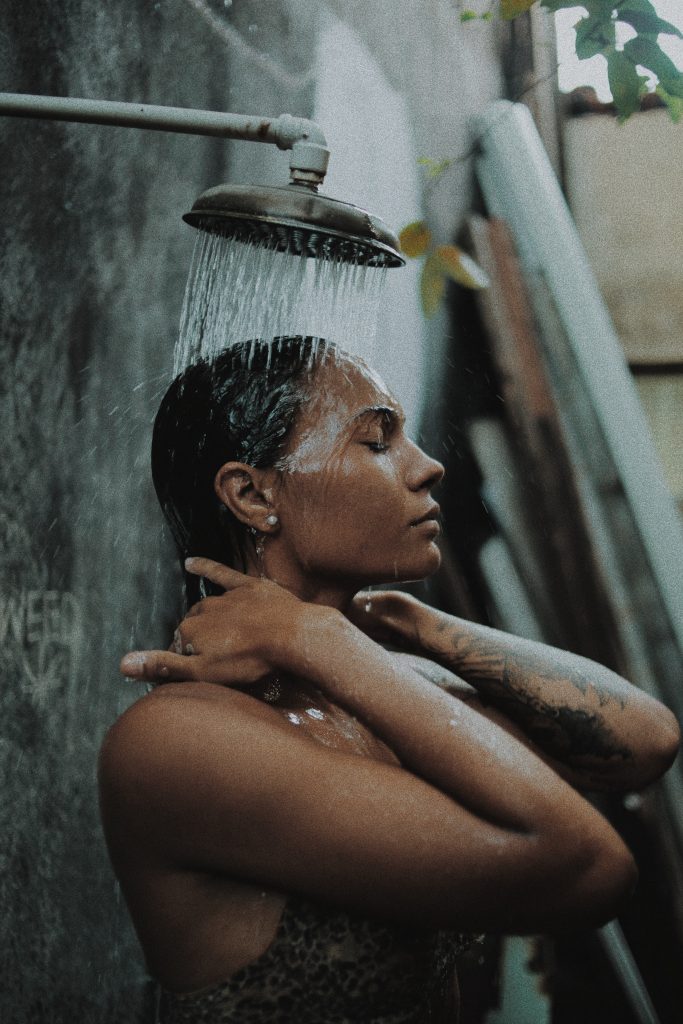
Hot water might be better for removing dirt, grease, or products from your hair. However, cold water is much healthier. A celebrity hairstylist Florian Hurel says: “Washing your hair with cold water helps with closing your cuticle after the wash. This also has the added benefit of helping, along with your haircare products, to make your hair look strong and shiny, and who doesn’t want that?”
9. Escovar o cabelo com cuidado
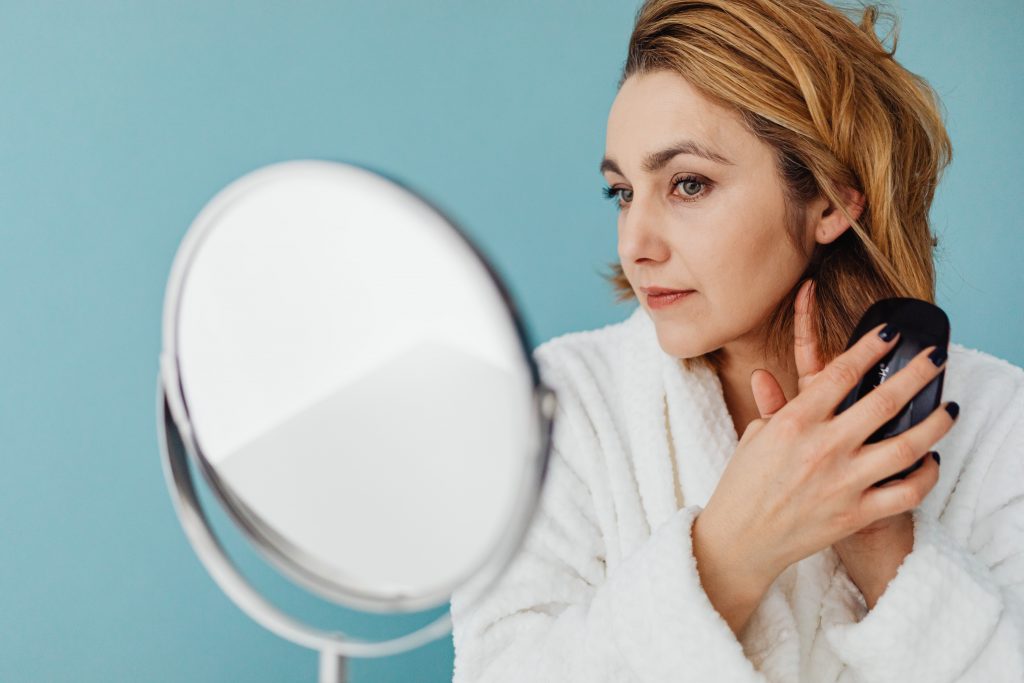
Here’s something we’re all guilty of: brushing our hair from top to bottom. Well, every hair expert will tell you the same: this is the quickest way to damage and break your hair.
Instead, start in the middle and brush down to the ends. Also, don’t forget to
10. Escolher o champô certo
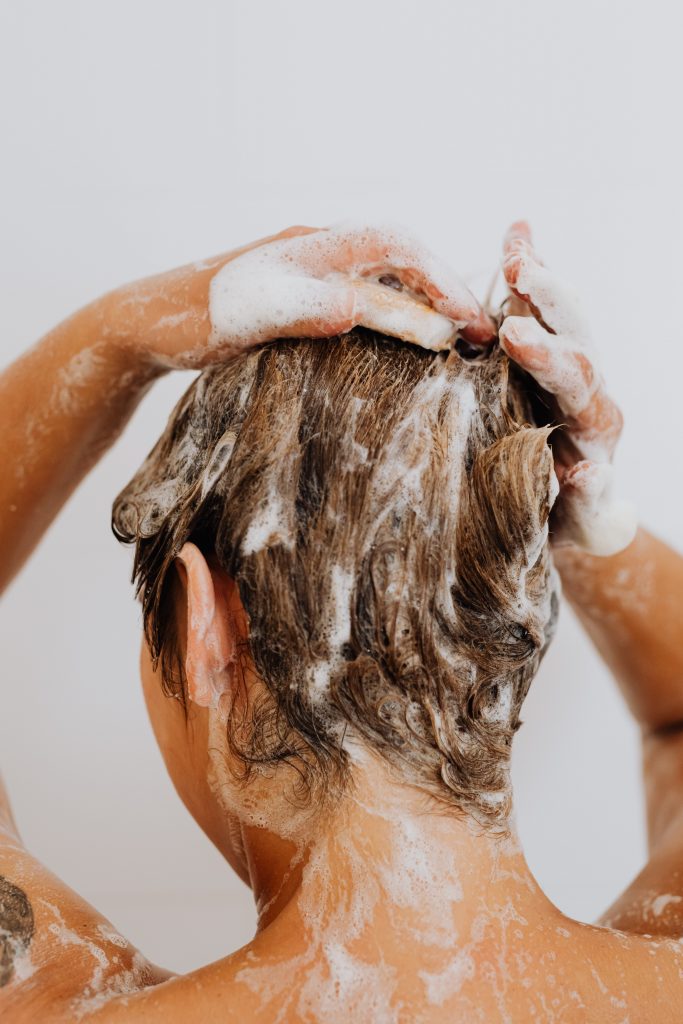
Lembra-se de eu lhe ter dito que tem de conhecer o seu tipo de cabelo e a sua textura? Bem, agora é a altura de escolher o champô certo, com base nessa informação.
O que precisa é de um champô que responda às necessidades específicas do seu cabelo. Felizmente, a maioria das marcas tem isso especificado na embalagem.
11. Aprender a utilizar o amaciador

You use conditioner after shampoo, so what’s the big science about it? Well, here are some more pro tricks to get the most out of conditioning your hair.
First and foremost, don’t apply conditioner on soaking wet hair; unless you want it to just slide off. Apply the conditioner evenly and only put it on the ends of your hair. Leave it for a couple of minutes, so the hair can absorb it. Finally, don’t forget to rinse it thoroughly.
12. Costeletas normais
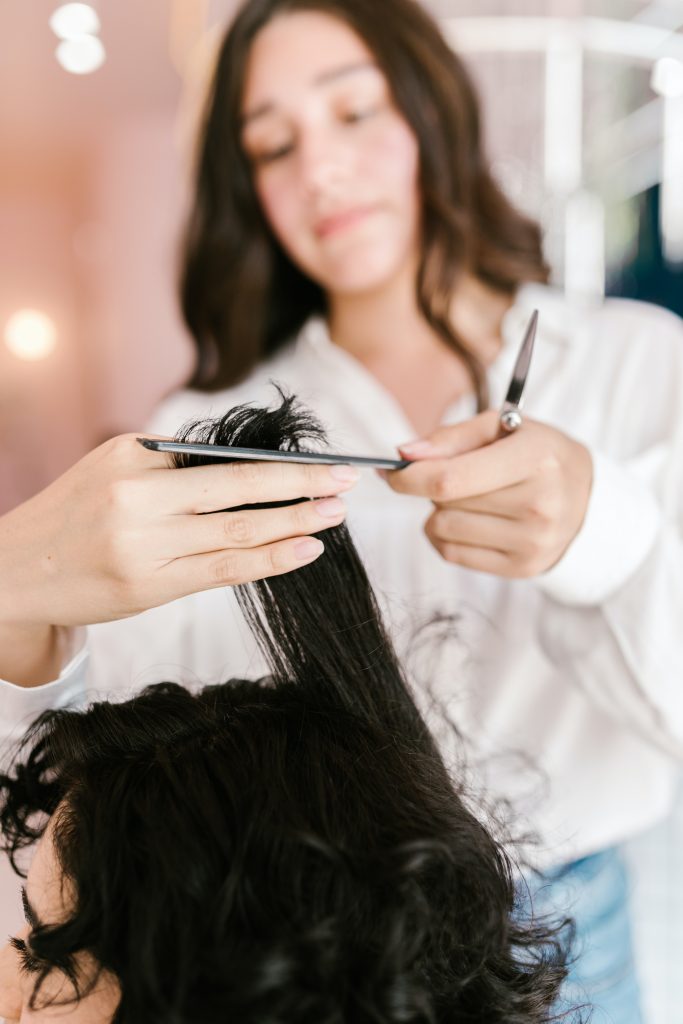
If you’re a fan of long hair like me, every single inch is precious! However, you can’t have healthy hair if you don’t cut split ends on a regular basis.
Freshly cut hair does not only look healthier and more attractive— it also helps detangle your hair. And yes, the myth is true: cutting your hair encourages growth.
13. Don’t wash your hair too often
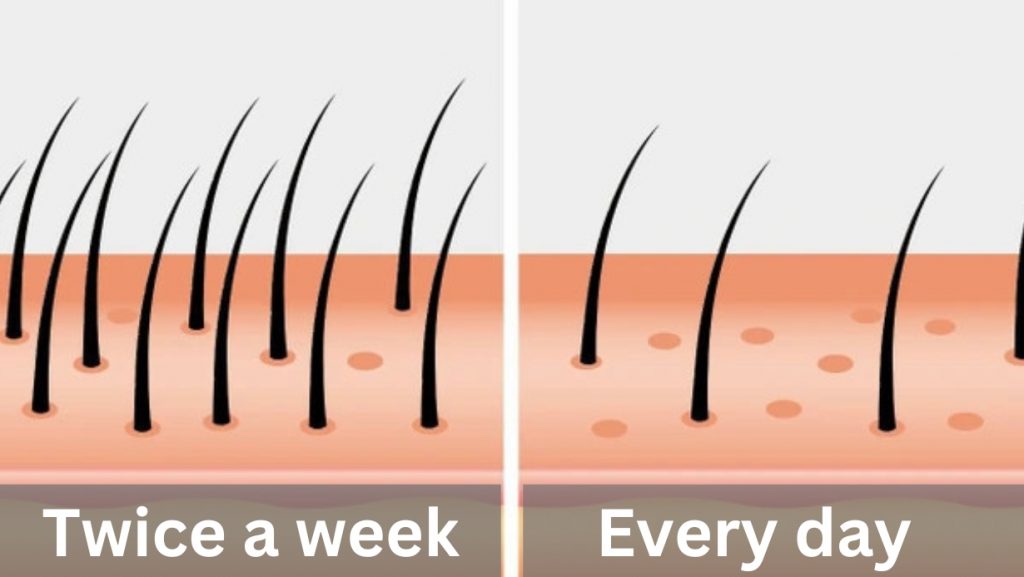
Com que frequência deve lavar o seu cabelo? A minha experiência ensinou-me que a resposta mais correcta é duas vezes por semana.
Washing your hair every day won’t make it healthier or fuller. In fact, you’ll just end up washing too much of your natural oil. Consequently, you’ll end up with dry hair which is more likely to break.
14. Reduzir o stress

O seu cabelo é uma parte de si. Por isso, é natural que o estado interior do seu organismo afecte também o seu cabelo.
De facto, o stress é a causa número um da queda de cabelo, tanto nos homens como nas mulheres. Cientificamente, o stress coloca os folículos capilares numa fase de repouso. Isto significa que esses cabelos se vão partir ou cair com o tempo.
15. Uma alimentação equilibrada
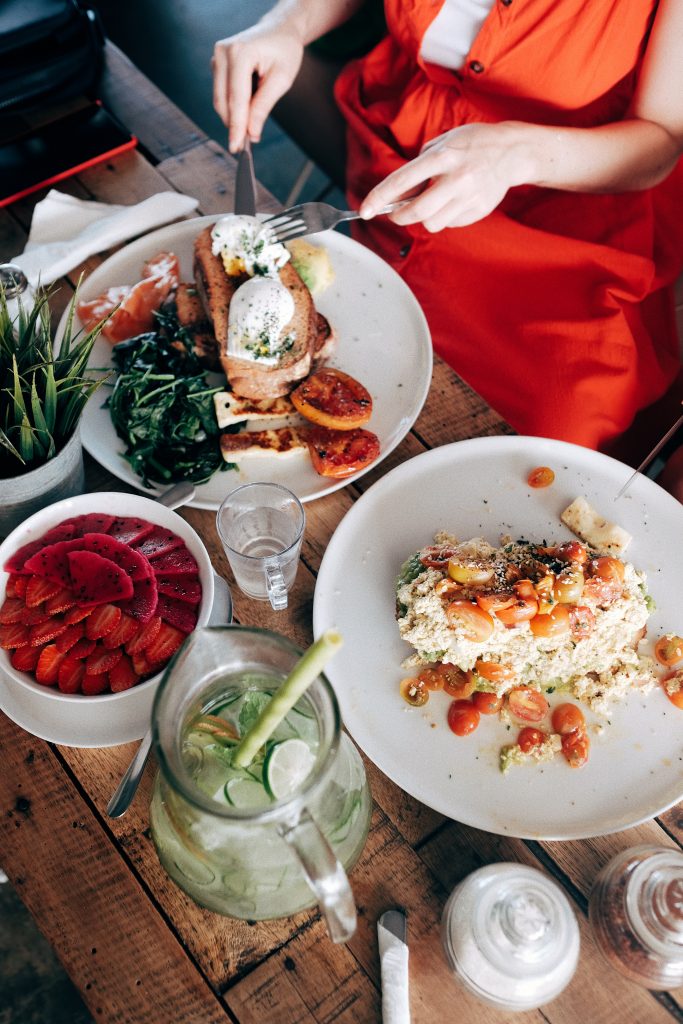
You nurture your hair from the “outside”. But for it to grow, it needs protein, vitamins, and minerals. In simple terms, you must eat healthy to have healthy hair.
Uma dieta equilibrada deve incluir uma grande quantidade de ovos, bagas, citrinos, vegetais de folha, nozes, sementes, soja e cenouras.
16. Don’t use too many haircare products
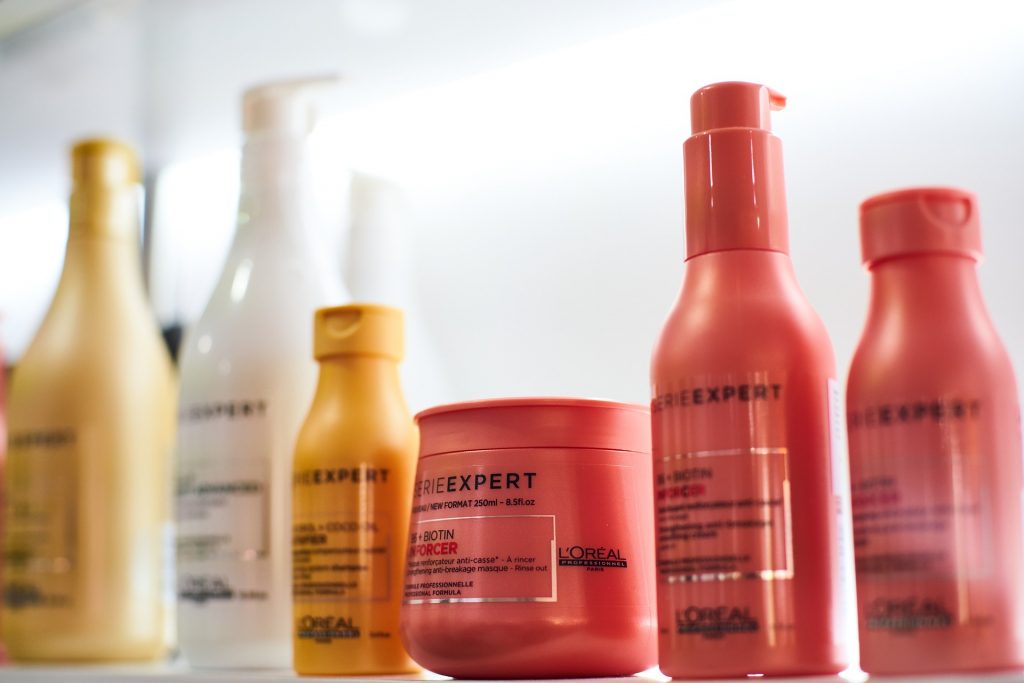
Sabia que demasiados produtos para o cabelo podem ter um efeito contraproducente? Isto é especialmente verdade para os géis de cabelo, sprays de cabelo e outros produtos de modelação.
Demasiada proteína ou hidratação fará com que o seu cabelo se parta. Além disso, alguns produtos podem causar danos químicos no seu cabelo.
That’s why it’s crucial to find the perfect balance. Find the products that suit your hair and stick to them!
17. Escovar o cabelo antes de o lavar
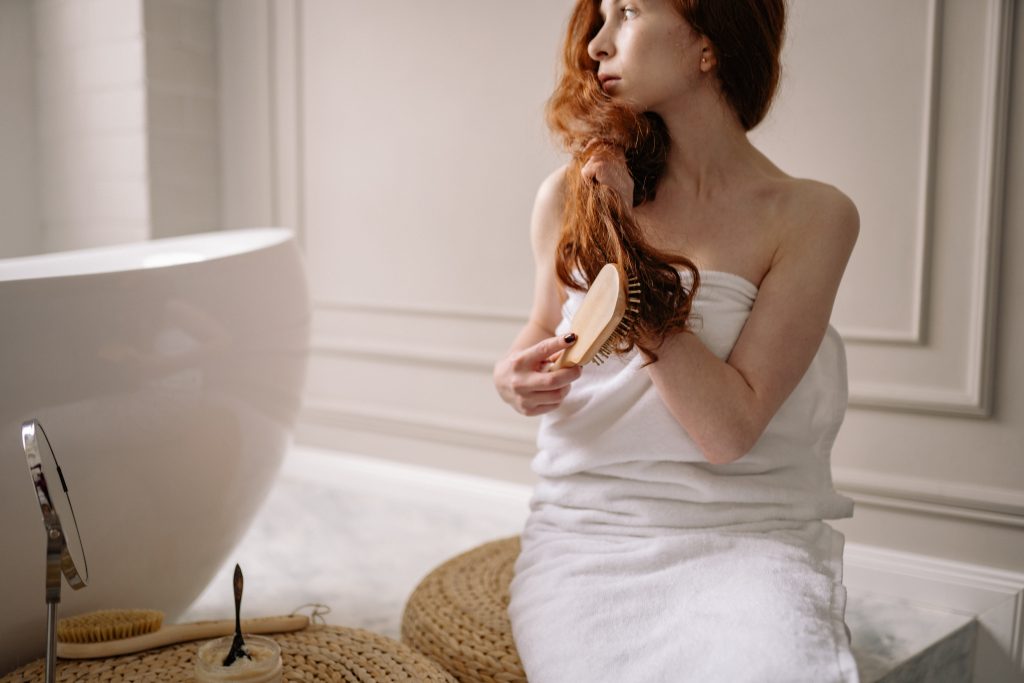
If you want to have healthy, tangle-free hair, don’t forget to brush it before washing it. We’ve already established that wet hair is more fragile, so this is the best way to protect it.
Also, it will be easier for you to apply shampoo and conditioner to untangled, brushed hair. This way, you won’t have to scrub the shampoo. Instead, you can gently rub it into your scalp.
18. Proteger o cabelo
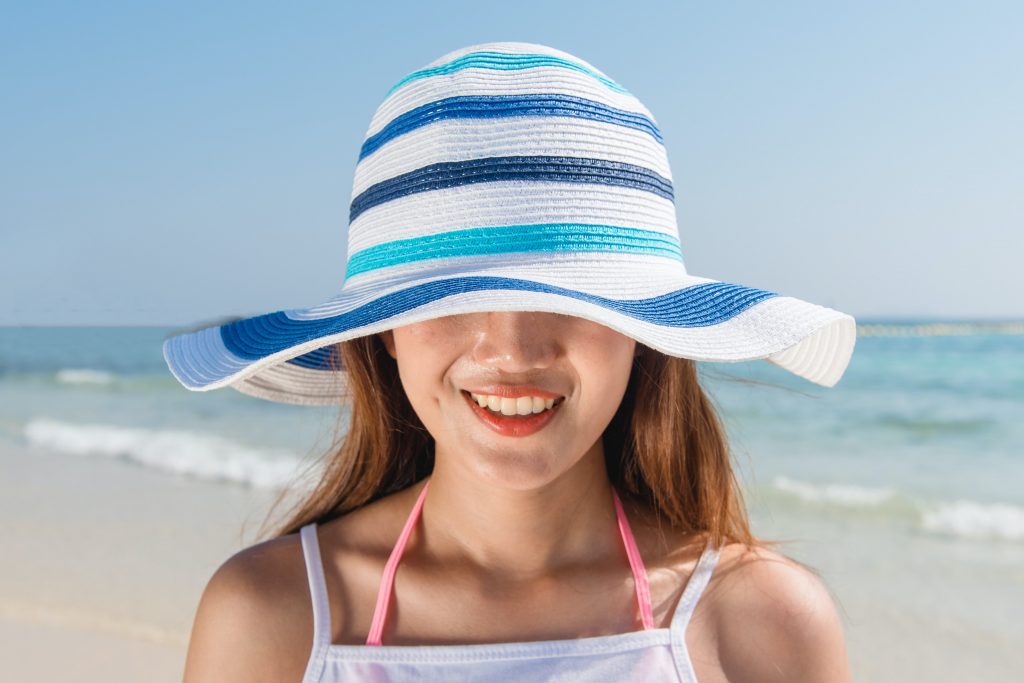
I bet you use different kinds of products to protect your skin from the damaging effects of the Sun. Well, what makes you think that your hair doesn’t require the same kind of protection as well?
I’m not talking about sun protection products for hair only here. What about the wind? The dirt? The pollution? The rain?
Estou a falar de proteger fisicamente o seu cabelo do ambiente, por exemplo, usando um chapéu ou um guarda-chuva. Confie em mim: o seu cabelo vai agradecer-lhe mais tarde.
19. Cuidado com as tranças ou tecelagens apertadas
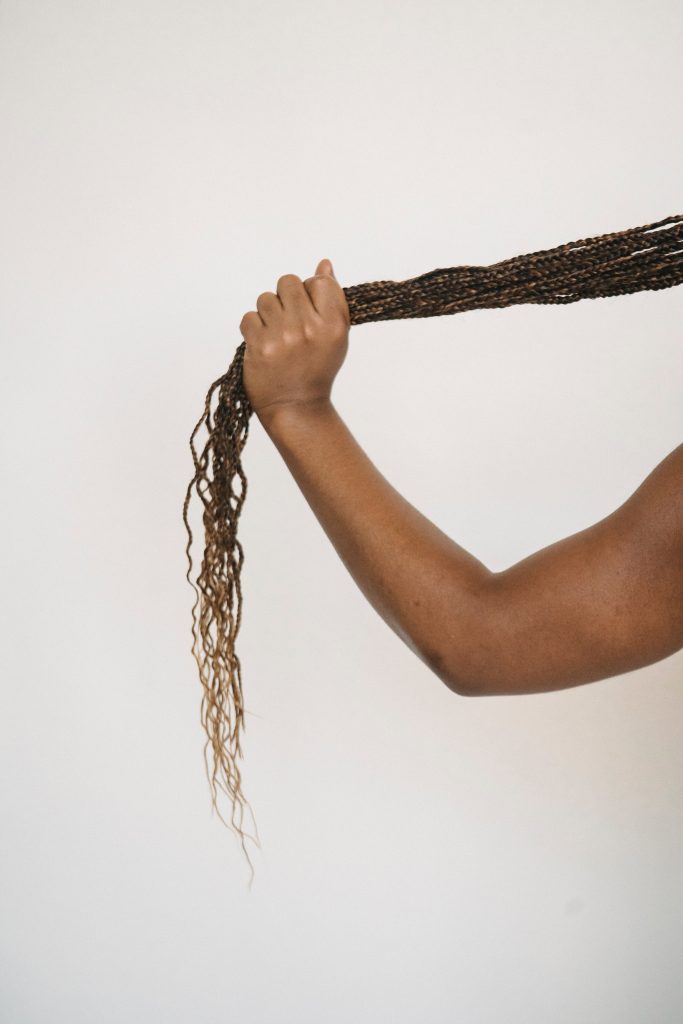
Eu sei o que deve pensar: quanto mais apertadas forem as suas tranças, mais tempo durará o seu penteado. Mas já lhe ocorreu que estes penteados são prejudiciais para a saúde do seu cabelo?
It’s actually pretty simple: tight braids and weaves create too much tension and pressure on your scalp. They can cause hair breakage or even hair loss.
20. Deixar o profissional fazer o seu trabalho
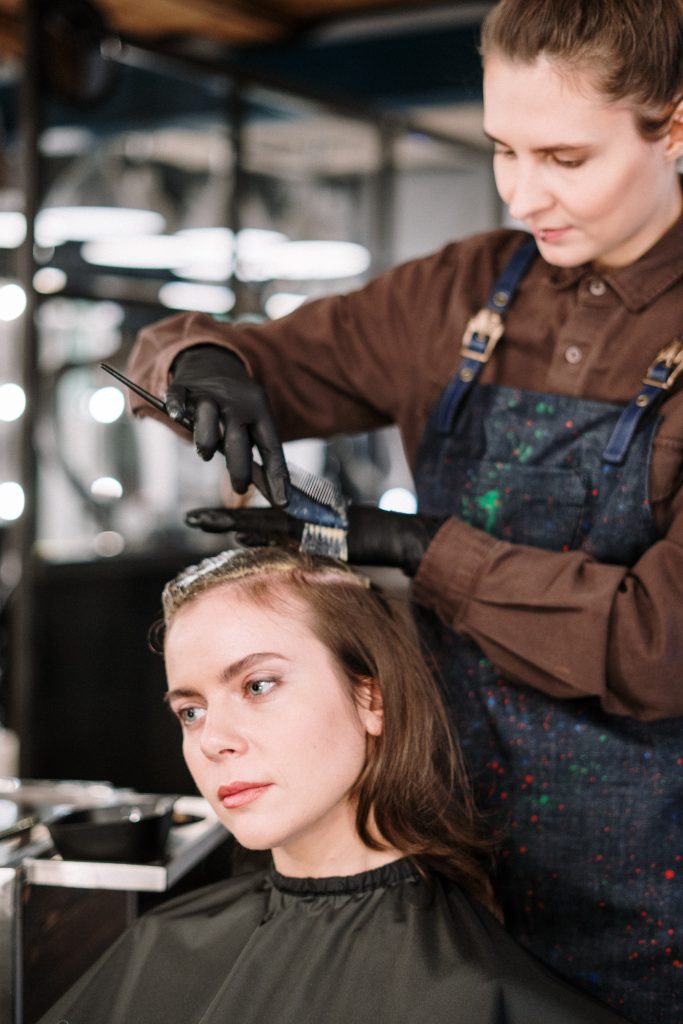
Não há nada de errado em secar o cabelo em casa com o secador ou mesmo aparar as pontas espigadas. De facto, isso permite-lhe poupar tempo e dinheiro.
But please, don’t even think of changing your hair color, bleaching your hair, or applying a keratin hair treatment by yourself. The chances are it will end up looking terrible, but that’s not even the worst part.
You’ll end up damaging your hair beyond repair! If you can’t afford a visit to the hair salon right now, please wait and don’t experiment!
Os melhores tratamentos caseiros para o cabelo
Here’s some good news: you don’t have to give a fortune for fancy hair treatments to get healthy hair. Most hair stylists don’t want you to know that DIY hair masks are even more efficient than most expensive products.
1. Máscara de óleo de coco e ovos

Como o fazer?
- Misturar e combinar 2 colheres de sopa de óleo de coco biológico com 1 ovo batido
Como o utilizar?
- Molhar o cabelo
- Aplicar a mistura no cabelo húmido
- Deixar ligado durante 15-20 minutos
- Enxaguar com água morna
Para que é que serve?
- Cabelo seco, frisado ou encaracolado
- Mantém o cabelo hidratado
- Uma fonte de proteínas
2. Máscara de abacate
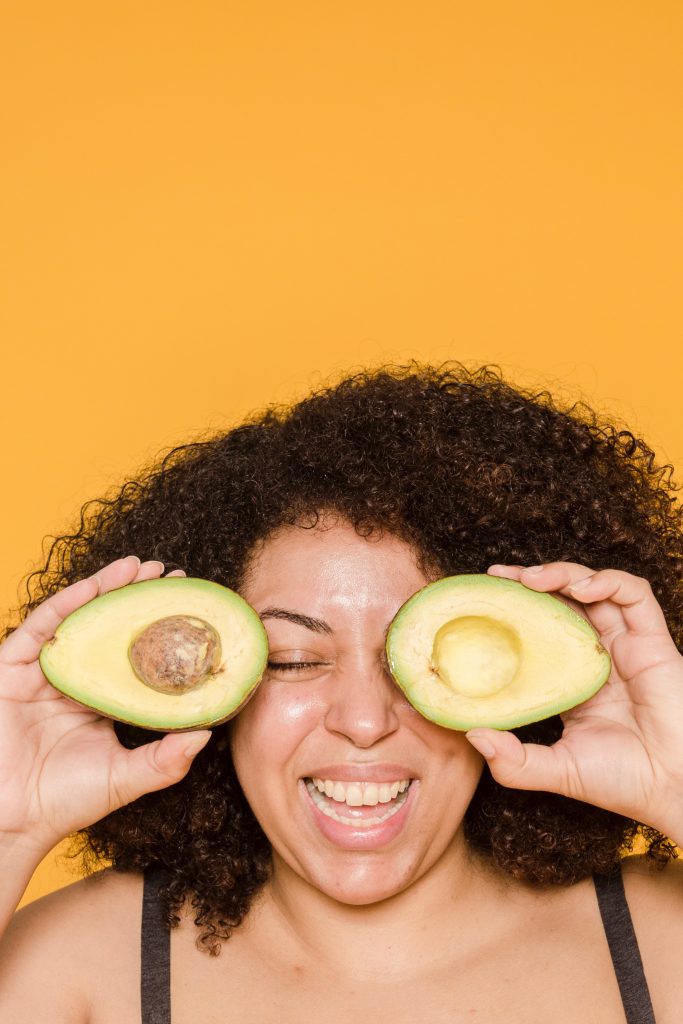
Como o fazer?
- Descascar um abacate e cortá-lo em pedaços
- Colocar num liquidificador com 3-4 colheres de sopa de mel e 3 colheres de sopa de óleo (pode utilizar óleo de coco, azeite ou óleo capilar))
- Mix and blend it all together until it’s smooth
Como o utilizar?
- Aplicar a mistura no cabelo molhado (especialmente nas pontas)
- Cobrir o cabelo com uma touca de banho (o calor ajuda o cabelo a absorver melhor os ingredientes)
- Deixar a máscara durante 20-30 minutos
- Enxaguar
Para que é que serve?
- Ideal para cabelos encaracolados
- Revitaliza o cabelo
- Avocado’s natural oils serve as a conditioner
3. Banana, óleo de coco e mel
Como o fazer?
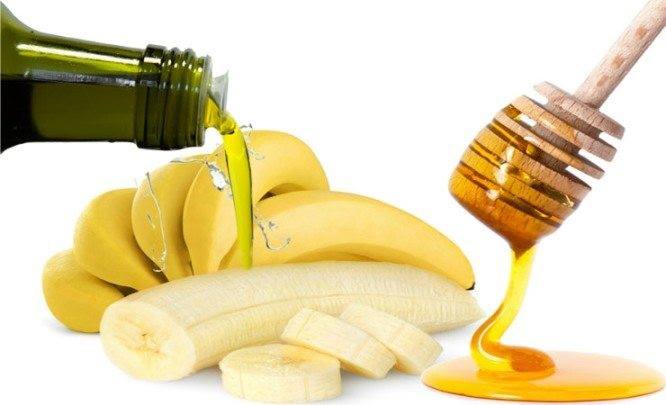
- Mistura 2 colheres de sopa de óleo de coco, 1 banana madura amassadae 2 colheres de sopa de mel até os ingredientes se misturarem
Como o utilizar?
- Aplicar a máscara no cabelo seco
- Colocar uma touca de banho
- Deixar ligado durante 15-20 minutos
- Enxaguar abundantemente
Para que é que serve?
- Ideal para cabelos secos e danificados
- Hidrata o cabelo
- Protege o cabelo do sol
- Fonte de vitaminas e cálcio
- Favorece o crescimento do cabelo
4. Mayo, iogurte e óleo de amêndoa
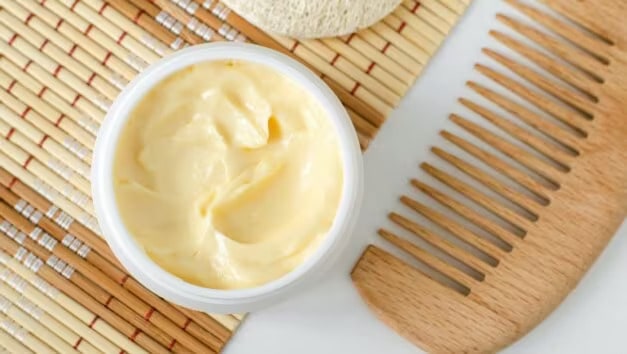
Como o fazer?
- Mistura 2 colheres de sopa de óleo de amêndoa, 4 colheres de sopa de maionese e 1 chávena de iogurte grego até que tudo esteja bem misturado
Como o utilizar?
- Aplicar a mistura no cabelo húmido
- Massajar o couro cabeludo e depois das raízes até às pontas
- Deixar ligado durante 20-30 minutos
- Enxaguar abundantemente
Para que é que serve?
- Ideal para cabelos secos e frisados
- Hidrata o cabelo
- Aumenta a resistência e a suavidade do cabelo
5. Bochecho de cidra de maçã
Como o fazer?
- Mistura 3 colheres de sopa de vinagre de sidra de maçã com 15 onças de água
Como o utilizar?
- Aplicar a mistura no cabelo após o champô e o condicionador
- Esfregue-o no couro cabeludo e em todo o cabelo
- Deixar ligado durante 2-3 minutos
- Enxaguar com água fria
Para que é que serve?
- Ideal para cabelos oleosos e finos
- Suaviza o cabelo
- Reforça os folículos
- Desembaraça o cabelo
- Elimina a oleosidade excessiva do couro cabeludo
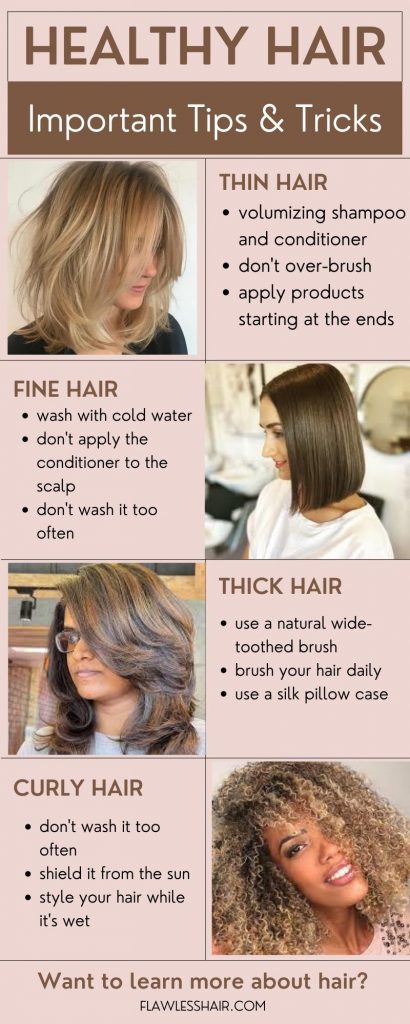
Infográfico: Dicas e truques para um cabelo saudável
Perguntas frequentes
Como é que sabe se o seu cabelo não é saudável?
- Pontas espigadas
- Sem brilho
- Sem elasticidade
- Quebra
- Falta de humidade
Porque é que o seu cabelo não é saudável?
- Genética
- Dieta desequilibrada
- Estilo excessivo
- Lavagem excessiva
- Escovagem excessiva
- Produtos capilares errados
- Stress
Principais conclusões
• Choose the right hair products, according to your hair type and texture
• Don’t wash your hair too often
• Say no to too much heat on your hair
• Change your diet and life habits
• Leave some things to professionals