Caracóis Duradouros Sem Danos Para Cabelo Fino Em 4 Passos Fáceis
O cabelo fino é macio, sedoso e agradável ao toque; no entanto, este tipo de cabelo delicado é facilmente danificado e tem tendência a cair. Mas estes desafios podem ser ultrapassados com um pouco de conhecimento e a vontade de dar atenção e cuidados ao seu cabelo.
So without further ado, here’s an easy step-by-step guide to creating lasting curls without damaging your fine hair, plus some extra tips on keeping it bouncy and healthy.
Modelação com calor ou caracóis sem calor?

O principal problema do cabelo fino é que tem dificuldade em manter a elevação e a ondulação e, para piorar as coisas, as suas madeixas finas são propensas a emaranhar, esticar e partir.
Relacionadas: -7 Straight-Hair Problems No One Talks About And 8 Easy Fixes That Shine
Heatless curls take time. With fine hair, they’re a hit and miss—you can never be sure if they’ll actually take. Not to mention that if your hair is shorter or has lots of layers, no-heat curls can be nearly impossible to achieve.
A criação de penteados com calor está fora de questão para cabelos finos delicados? Absolutamente não! Com as modernas ferramentas e produtos de calor, pode facilmente obter caracóis volumosos e duradouros sem danificar o seu cabelo.
Que ferramenta de modelação térmica é adequada para si?
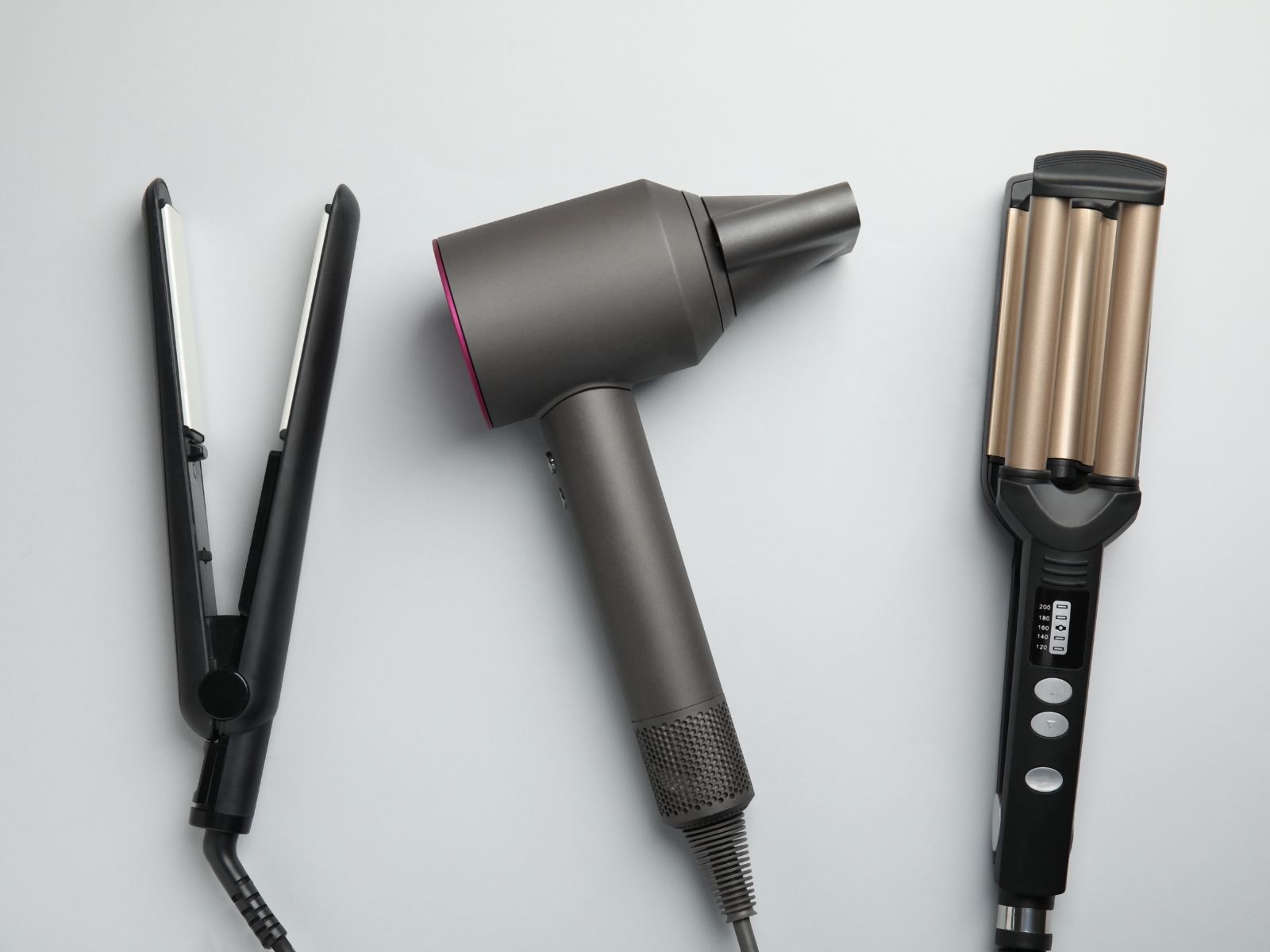
These days, styling tools come in a variety of materials and you can adjust the heat setting for your hair. Using a heat protectant will furthermore ensure that your curls don’t come at a price.
For the most lasting curls, hot rollers give the best results. However, they have a learning curve and purchasing a kit can be risky if you’re not sure that you’ll be able to use them.
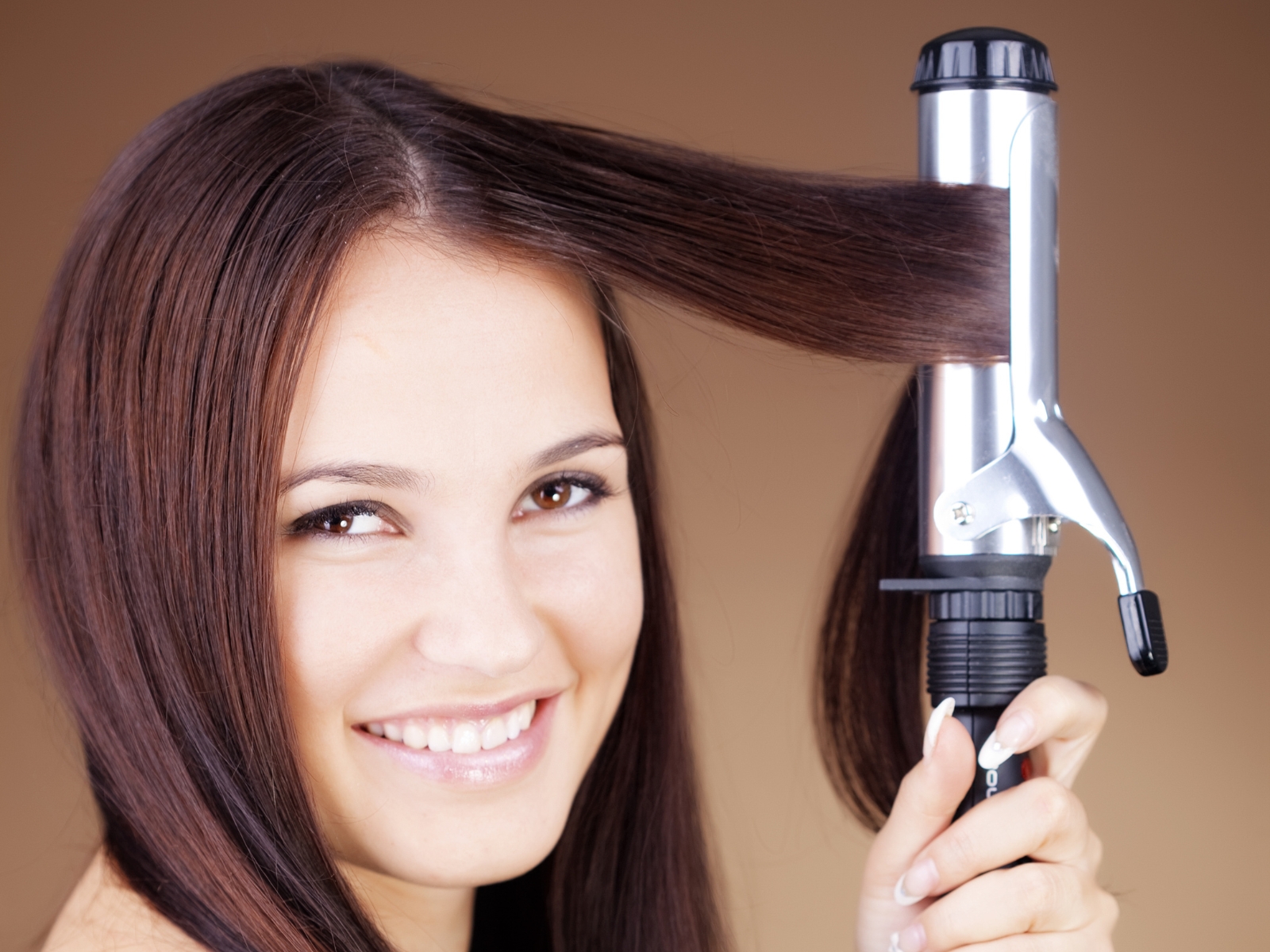
A segunda melhor escolha no que diz respeito à longevidade dos seus caracóis é o ferro de frisar. When all pros and cons are taken into account—the ease of use, a speedy process and curls that stay put—this is the best option.
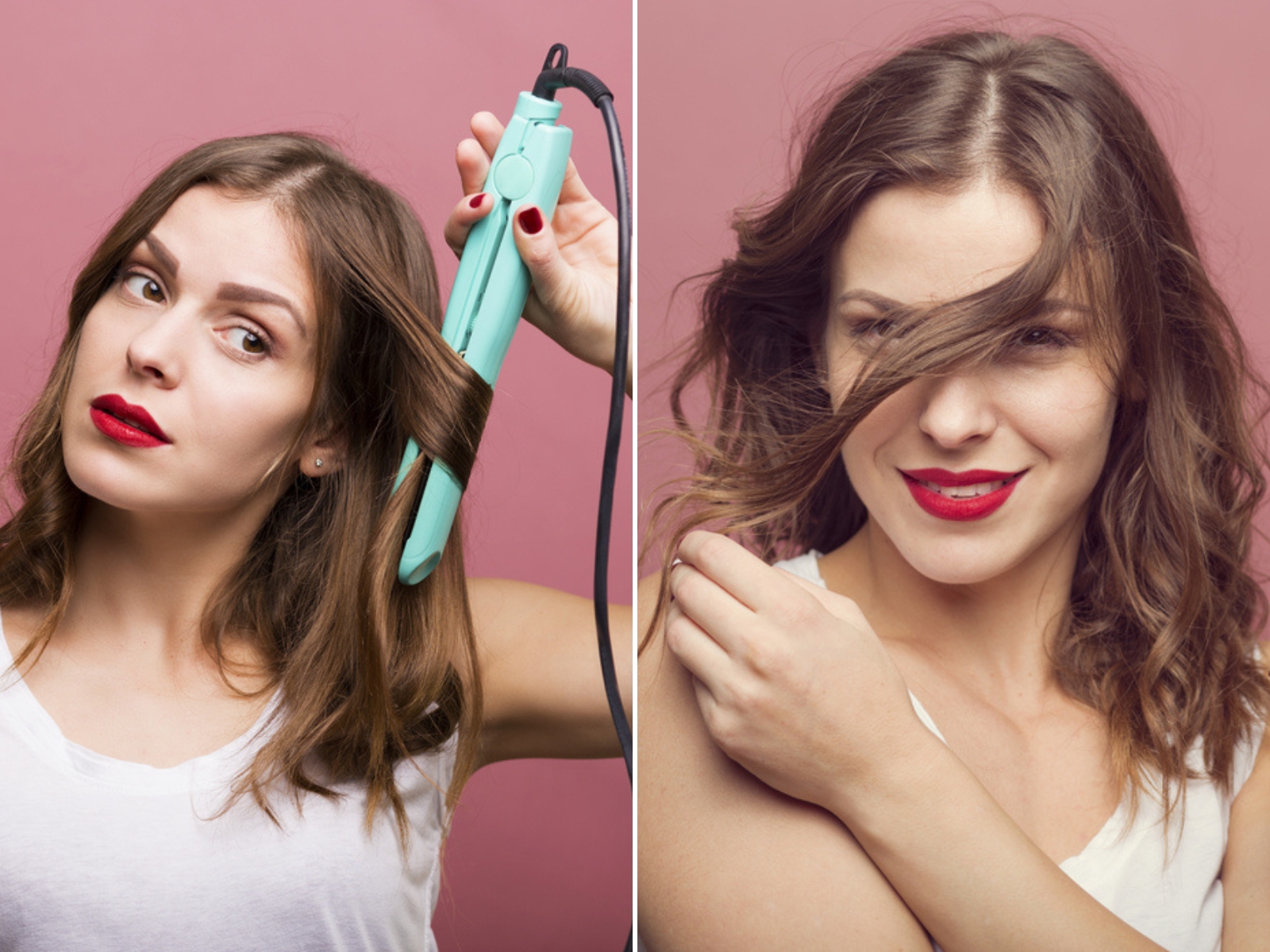
Criar caracóis duradouros sem danificar o cabelo fino em 4 passos simples
Here’s how to quickly and easily add volume and curls that last to fine hair while keeping it healthy.
Products you’ll need:
- Produto de proteção contra o calor
- Spray de textura
- Opcional: spray volumizador
1. Aplicar o produto
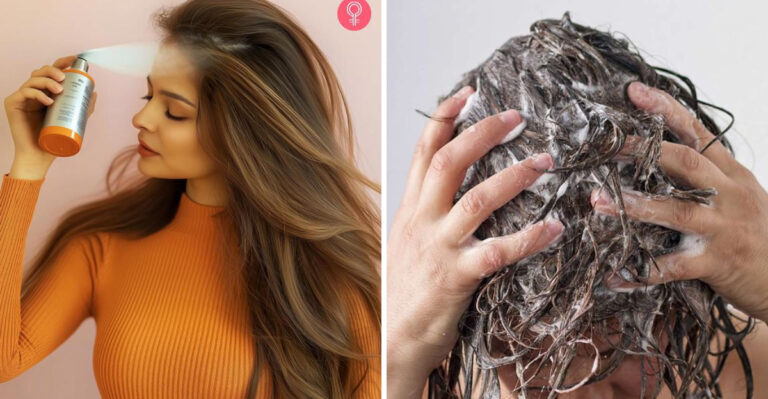
Primeiro, aplique um protetor térmico em todo o comprimento do seu cabelo. Este é um passo necessário se quiser evitar danos.
Next, apply texture spray to the length, avoiding the roots. The reason you’re using texture spray is to add a little grit to your fine, silky strands which will make the curls form easier and last longer.
Afofe o cabelo para distribuir o produto, criando uma elevação.
2. Preparar o cabelo
Divida o cabelo em secções manejáveis, cortando-o para trás se necessário.
Even though your hair is fine, you might have a lot of it, so it’s important not to take too much hair. You want to be able to wrap your hair evenly around the curling wand with no bumps.
Passe um pente por cada madeixa antes de a enrolar para obter caracóis uniformes.
3. Preparar a ferramenta de modelação
Coloque o ferro de frisar na posição regulação de calor mais baixa; this is key to avoiding damage. Because your strands are fine and individual hairs are thin, they don’t need a lot of heat to change shape.
4. Enrolar o cabelo
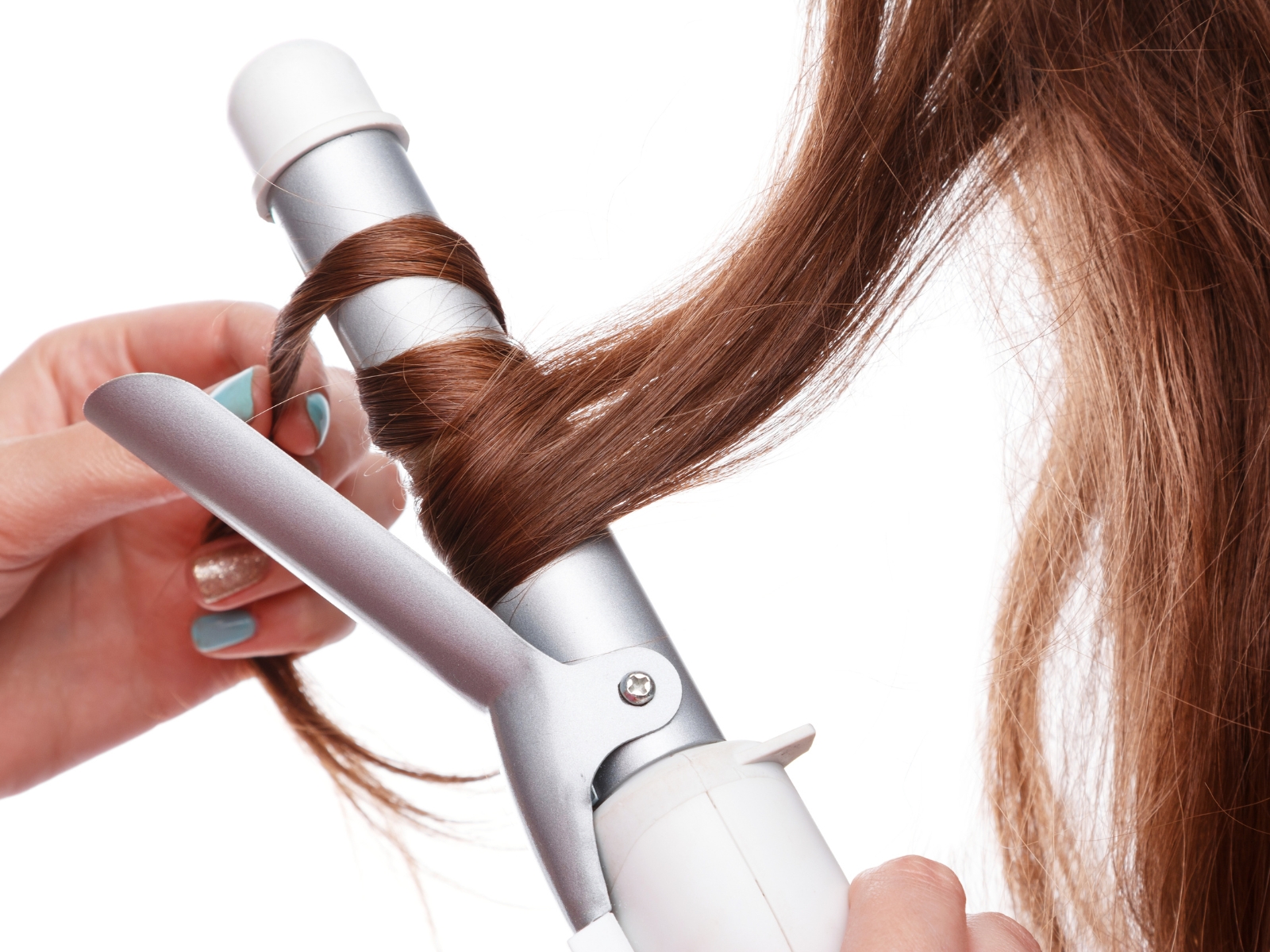
Comece a encaracolar o seu cabelo a partir da frente. Traga a madeixa para a frente de modo a que os caracóis criem volume na linha do cabelo e enrole o cabelo à volta da varinha, afastando-o do rosto, começando pela base.
Deixe o calor passar pelo cabelo e retire imediatamente a varinha. Holding your hair wrapped around the tool for too long won’t make your curls last longer, but it can damage your hair.
Bring the next section toward the face and wrap around the wand in the opposite direction, and repeat until you’ve curled all your hair.
Deixe os caracóis arrefecerem completamente antes de os sacudir para os fazer durar.
Truques e dicas para pentear o cabelo fino
• If you’re curling your hair right after washing it, make sure it’s completely dry first. This is extremely important, because a utilização de ferramentas de calor em cabelos húmidos pode danificá-los.
• You’ll get the best results if you curl fresh hair, but you can also do it on the second day to freshen up your style.
• Use a champô e amaciador volumizadores leves para limpar o cabelo. Evite aplicar amaciador nas raízes.
• Invest in a microfiber hair towel and a detangling brush to avoid as much breakage as possible.
• When wrapping your hair around the curling wand, deixar as pontas de fora para ondas de praia e enrole-as à volta da varinha para obter caracóis redondos.
• If you want to make your curls last longer, spray each individual curl with texture spray immediately after you curl it, then let cool.
• When applying product on your curls, pulverizar o produto nas mãos e não diretamente no cabeloe depois amassar onde quiser.
• To achieve super-lasting, super-voluminous curls, blow-dry hair with a round brush before curling your hair.
• For extra volume, spray volumizing spray to the roots after you finish curling your hair.
- Refresque-se com champô seco para um aumento de volume instantâneo. Don’t comb it out of your hair; leave it in for extra texture instead.
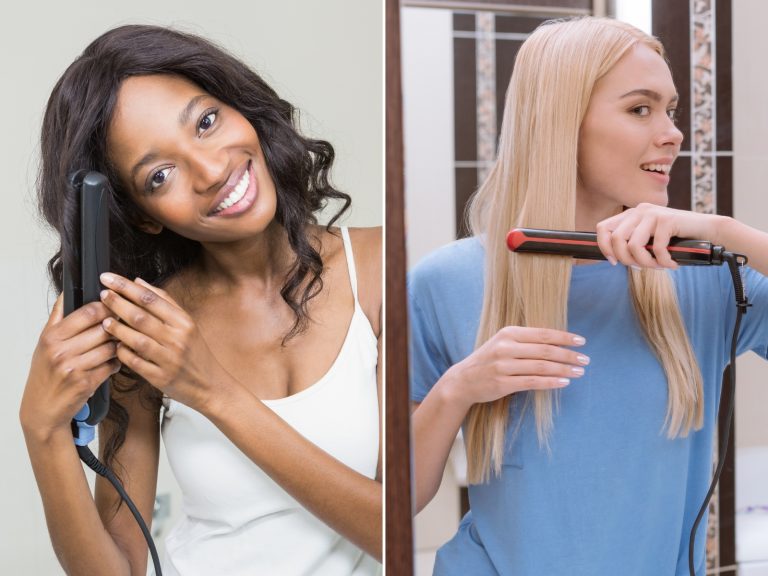
• If you don’t have a curling wand, you can also use a flat iron, but it’s a little more difficult. Here’s a video to help you out.
Perguntas frequentes
1. Qual é o melhor ferro de frisar para cabelos finos?
Para encaracolar o seu cabelo rapidamente e minimizar os danos, opte por um ferro de encaracolar com um cilindro feito de um material que distribui o calor uniformemente, como a cerâmica ou a turmalina.
2. A que temperatura deve estar o ferro de frisar para cabelos finos?
Go with the lowest setting of your curling iron, no higher than 200ºF.
3. Que tamanho de ferro de frisar é melhor para cabelos finos?
Dependendo do comprimento do seu cabelo e do tamanho dos caracóis que pretende, pode escolher um ferro de frisar entre 0,75 e 1,25 polegadas de diâmetro, sendo 1 polegada o mais versátil.
4. Porque é que os meus caracóis ficam lisos depois de os enrolar?
Your curls might be losing their form because you’re not letting them set—you shouldn’t touch your curls until they’ve cooled down.