20 trucos y consejos fáciles para tener un pelo grueso y sano
It’s time to transform your hair! No more breakage, tangling ends. No more thin, fragile, and lifeless tresses.

Here’s the harsh truth: your hair texture is inwritten in your DNA. Sadly, that means that there isn’t a magical way for you to change the type of your hair. However, what you can do is make it visually thicker, shinier, and more beautiful. Most importantly, you can make it healthier!
20 consejos y trucos para un pelo más sano
1. Conoce tu cabello
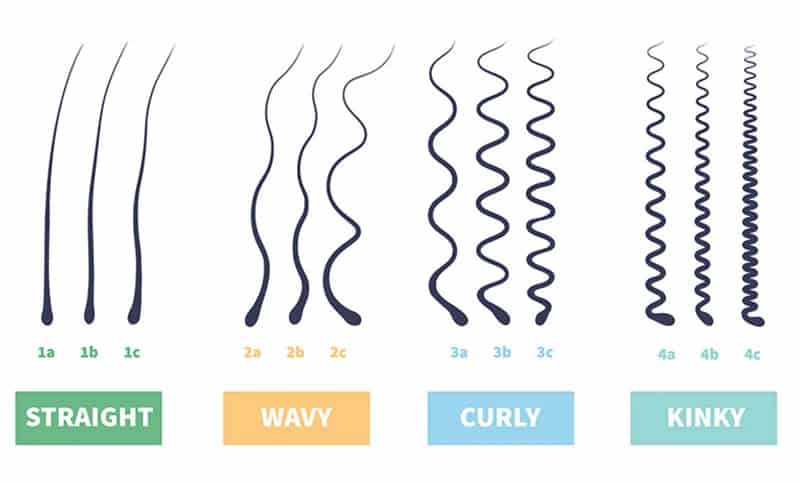
In order to start your hair care journey, firstly, you have to know what you’re dealing with, right? To do that, you have to get to know your hair. Or to be precise, you have to learn your hair type.
Relacionados: -7 Straight-Hair Problems No One Talks About And 8 Easy Fixes That Shine
Is your hair thin, thick, fine, curly, or straight? What are you dealing with here? Once you get those answers, you’ll know exactly what kind of care your hair actually needs.
2. Menos calor en el cabello
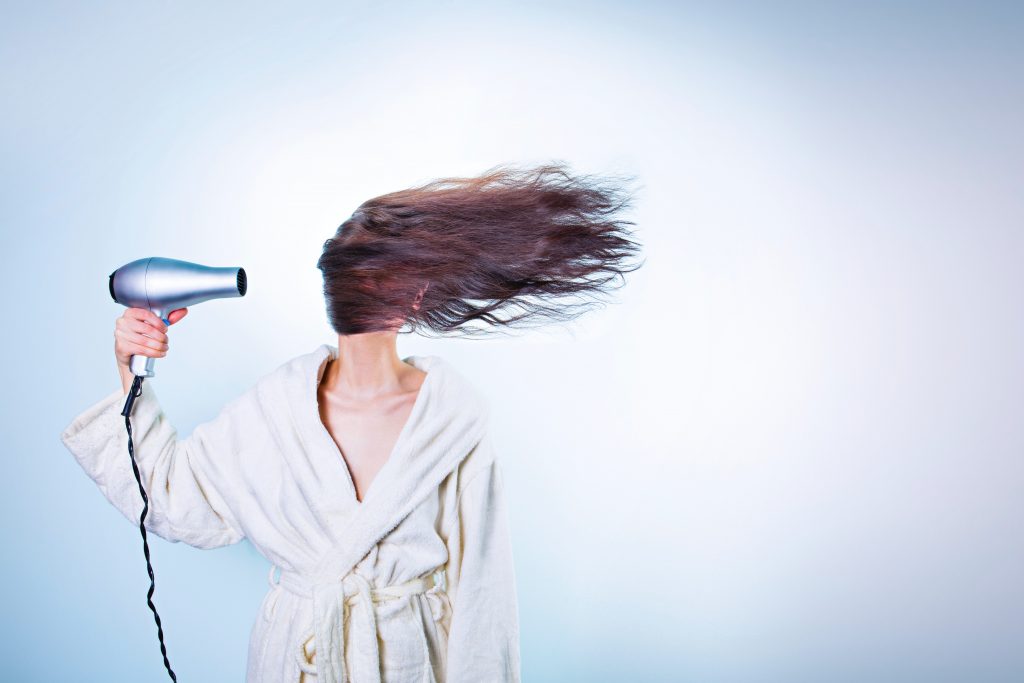
As a hairdresser, I struggle with reviving damaged hair every day. And you know what’s the number one cause of hair breakage, split ends, and dry hair? Excessive heat!
Don’t worry, I’m not here to judge you. I know that flat and curling irons can be real-life savers from time to time. Yes, they help you style and put together your hair in no time. But at what cost?
I’m sure you had no idea that exposing your hair to too much heat can easily result in your hair’s keratin strands being altered. You have no idea what this means? Well, to put things simply: you end up having damaged and weaker hair.
If you really can’t live without curling or flat irons, do your hair a favor, and at least, use them as little as possible.
3. Coleteros en lugar de gomas apretadas
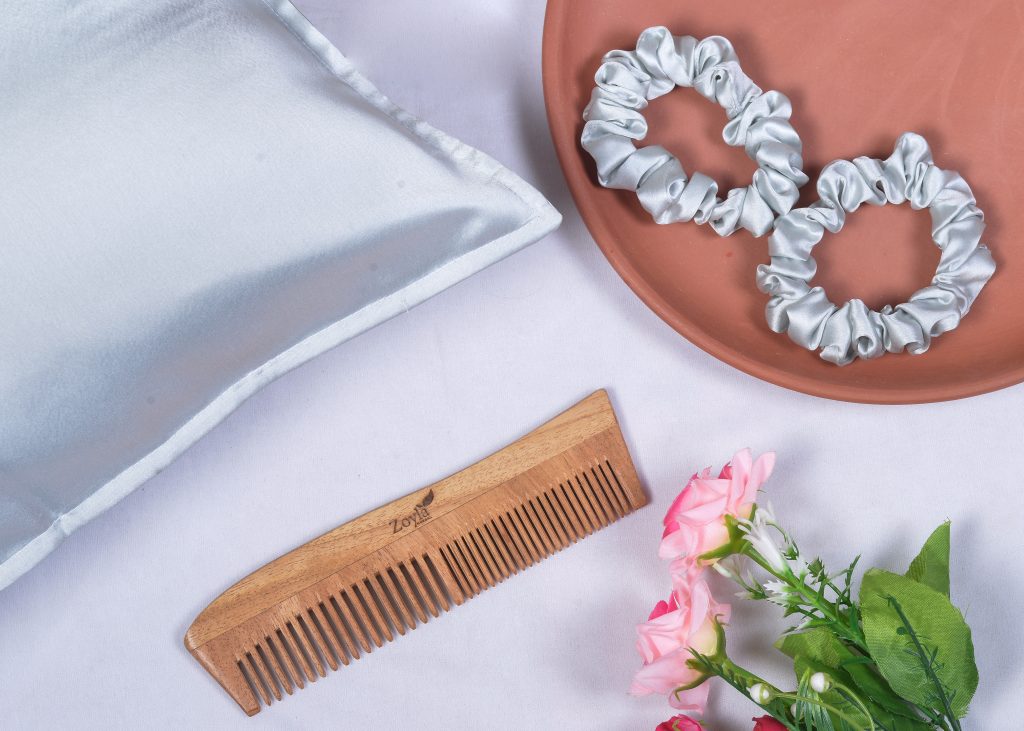
Besides being a beautiful hair accessory, scrunchies are back in fashion, as well. But that’s not the most important thing.
What matters is that they’re the healthiest option for tying your hair. You see, they have a less damaging effect on your hair, especially in comparison to tight hair ties that break your hair. Also, scrunchies are less likely to tangle your hair.
4. Cuidado con el pelo mojado
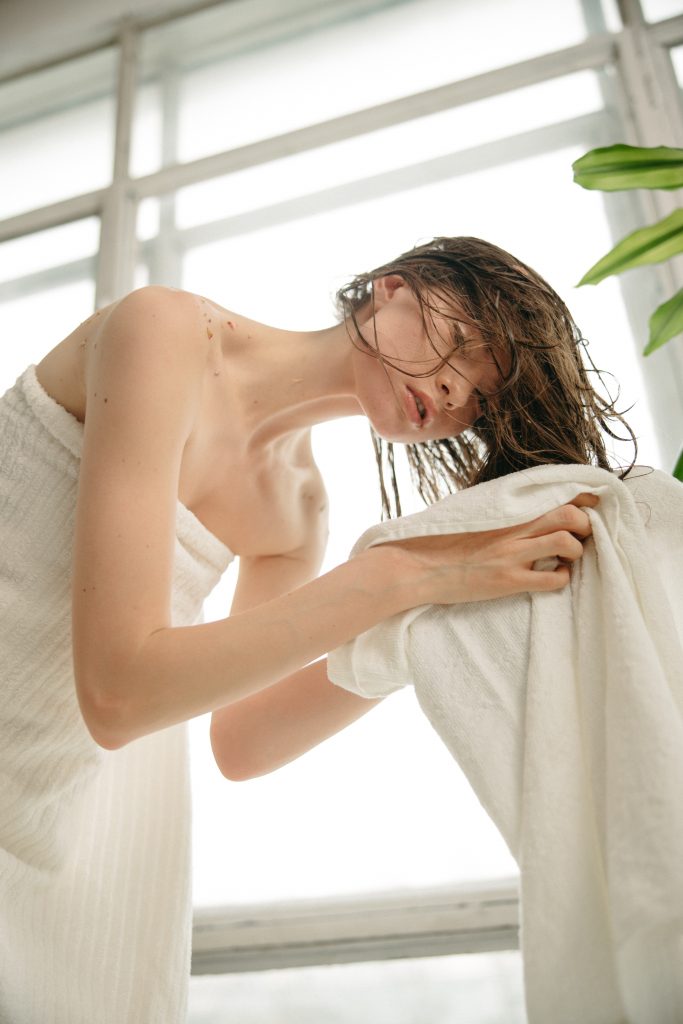
El pelo mojado es más sensible que el seco, debido a que los enlaces que forma son más débiles. Por lo tanto, es más probable que se dañe.
Por eso debes tener mucho cuidado al desenredar el pelo mojado, a menos que quieras provocar más roturas. Además, asegúrate de peinarte desde las puntas hacia las raíces.
5. Las fundas de almohada adecuadas

You’d be surprised by the beneficiary effects of silk or satin pillowcases on your hair. Both of these fabrics are smooth, and therefore, cause less friction. Consequently, there is less hair breakage.
A celebrity hairstylist Justine Marjan says “Friction from cotton can disrupt the cuticle layer, leading to frizz, breakage, sleep crease, and dry strands”. And if Khloe Kardashian and Hailey Bieber believe her, why wouldn’t we?
6. Seca tu pelo con mucho cuidado
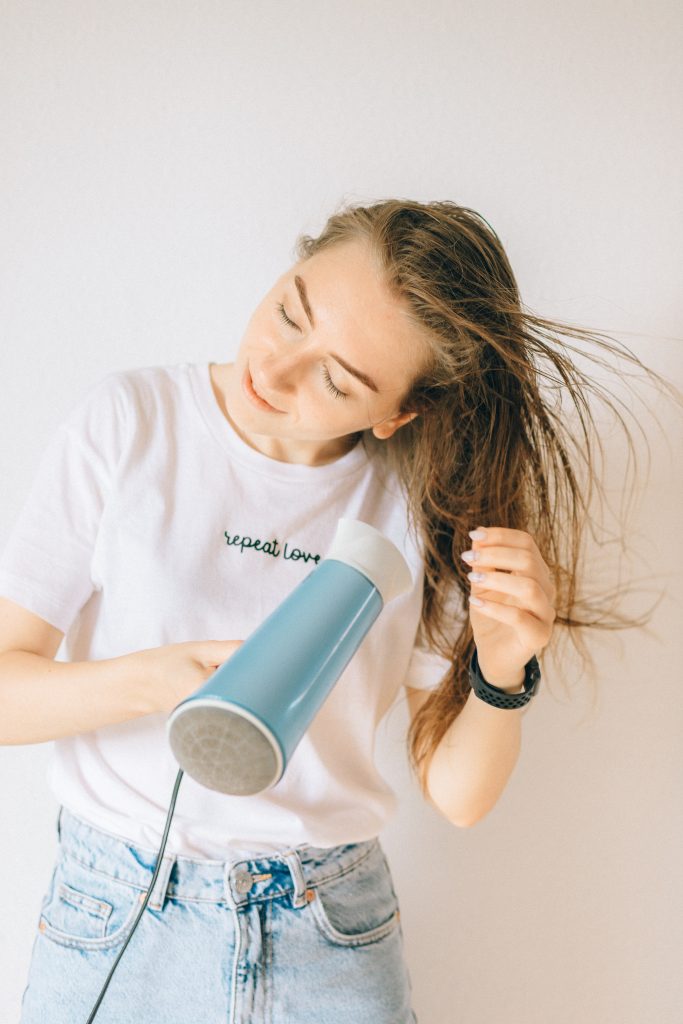
Air drying is the best option, there is no doubt about that. But sadly, you don’t always have the time or the conditions to let your hair dry by itself.
Whether you like it or not, you have to use a blow dryer. And that’s when you should be extra careful.
First of all, you want to detangle your hair. After that, don’t forget to use a heat protectant. The next step is to separate your hair into sections and dry one section at a time.
7. Mantener el cuero cabelludo graso
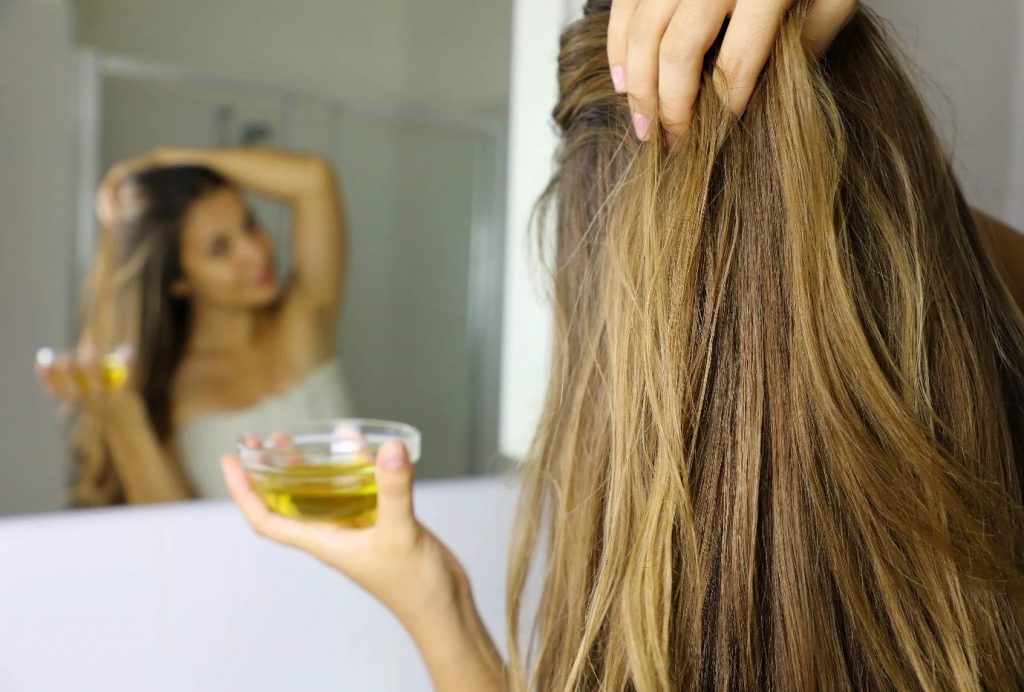
No, don’t put too much oil on your scalp, to the point where your hair will look greasy. However, if you want to get healthy hair, you must keep your scalp moisturized.
Otherwise, you’ll face dryness, flaking, or an itchy scalp. Consequently, you’ll have dry, and lifeless hair.
8. Lávate el pelo con agua fría
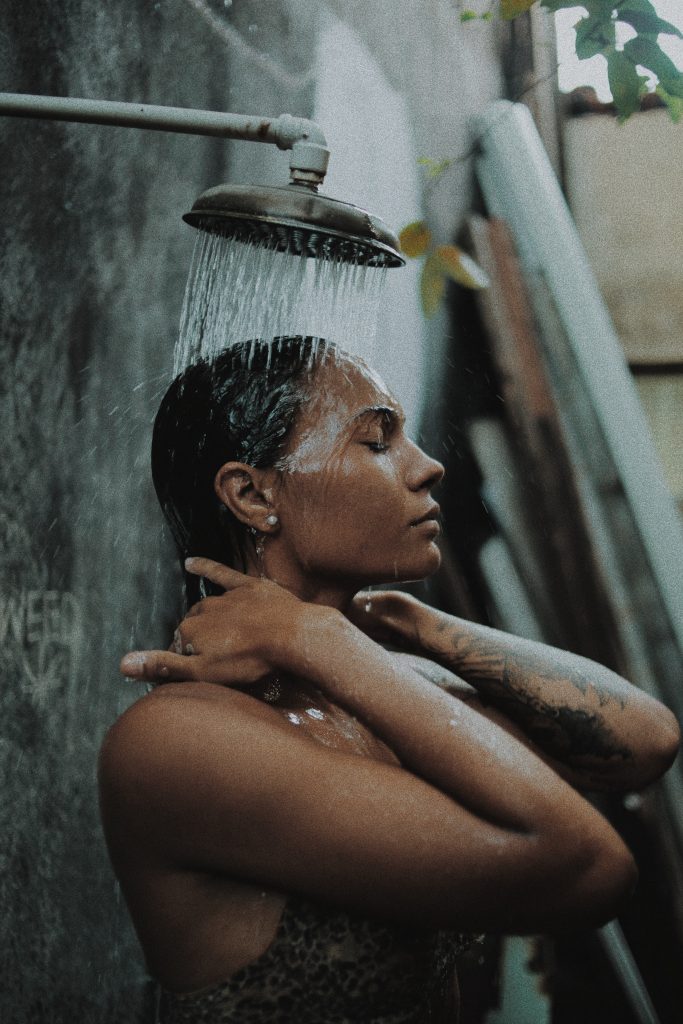
Hot water might be better for removing dirt, grease, or products from your hair. However, cold water is much healthier. A celebrity hairstylist Florian Hurel says: “Washing your hair with cold water helps with closing your cuticle after the wash. This also has the added benefit of helping, along with your haircare products, to make your hair look strong and shiny, and who doesn’t want that?”
9. Cepíllate el pelo con precaución
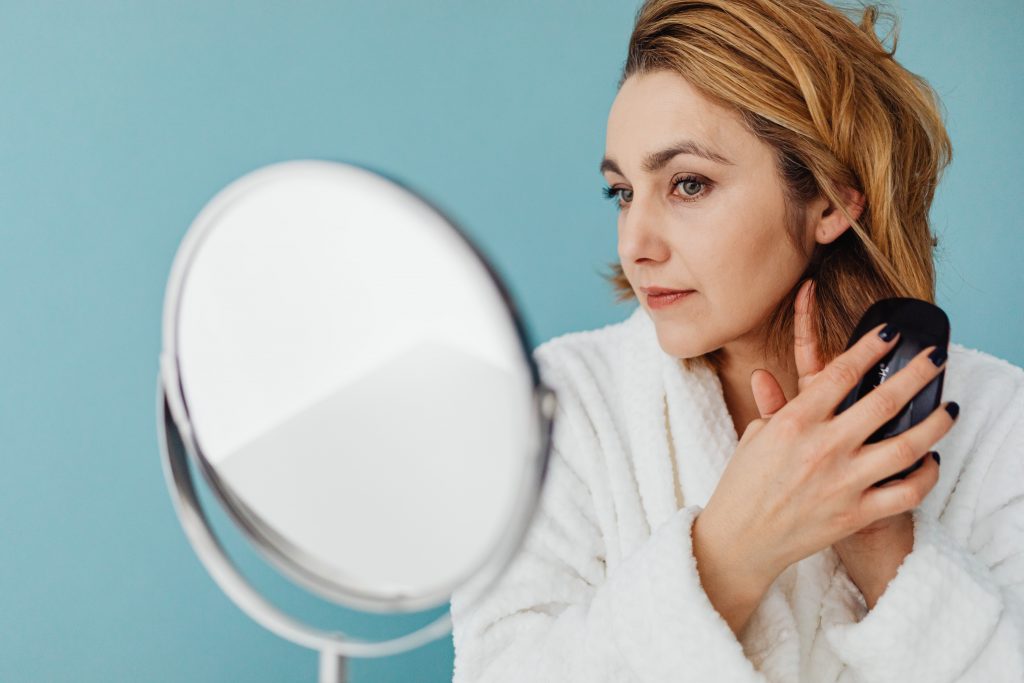
Here’s something we’re all guilty of: brushing our hair from top to bottom. Well, every hair expert will tell you the same: this is the quickest way to damage and break your hair.
Instead, start in the middle and brush down to the ends. Also, don’t forget to
10. Elegir el champú adecuado
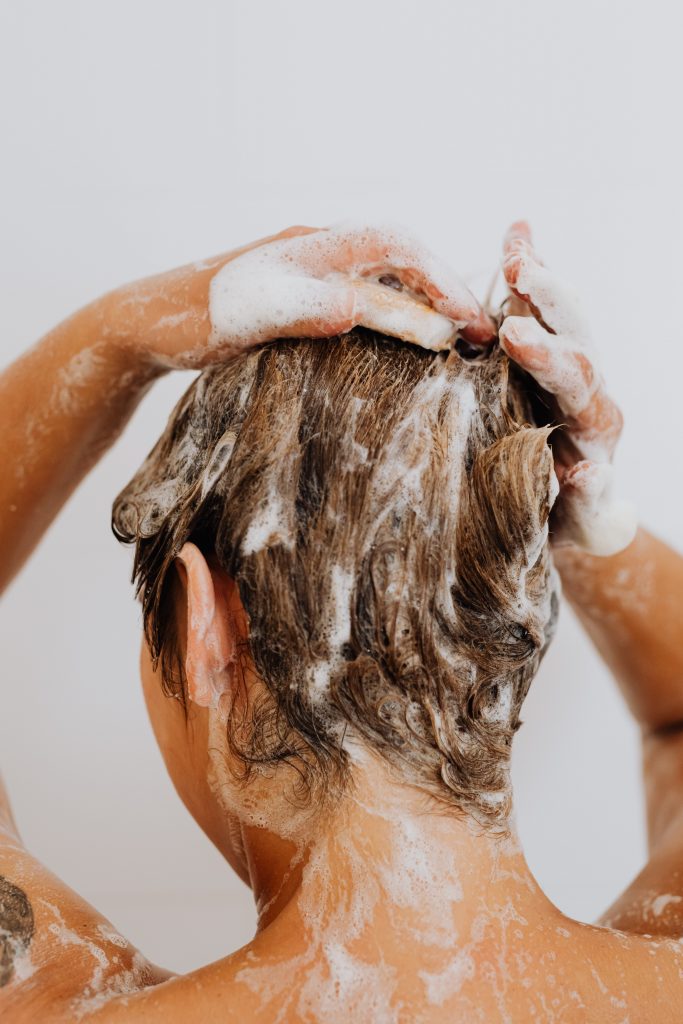
¿Recuerdas que te dije que tienes que conocer tu tipo y textura de pelo? Pues bien, ahora es el momento de elegir el champú adecuado, basándote en esa información.
Lo que necesitas es un champú que responda a las necesidades específicas de tu cabello. Por suerte, la mayoría de las marcas lo especifican en el envase.
11. Aprender a utilizar el acondicionador

You use conditioner after shampoo, so what’s the big science about it? Well, here are some more pro tricks to get the most out of conditioning your hair.
First and foremost, don’t apply conditioner on soaking wet hair; unless you want it to just slide off. Apply the conditioner evenly and only put it on the ends of your hair. Leave it for a couple of minutes, so the hair can absorb it. Finally, don’t forget to rinse it thoroughly.
12. Chuletas normales
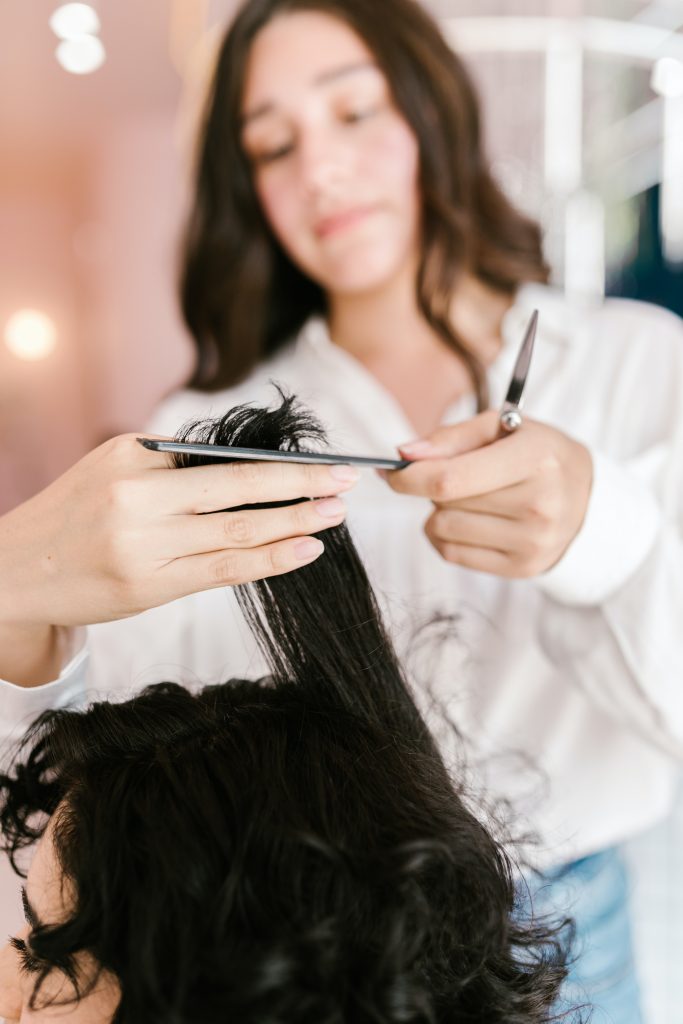
If you’re a fan of long hair like me, every single inch is precious! However, you can’t have healthy hair if you don’t cut split ends on a regular basis.
Freshly cut hair does not only look healthier and more attractive— it also helps detangle your hair. And yes, the myth is true: cutting your hair encourages growth.
13. Don’t wash your hair too often
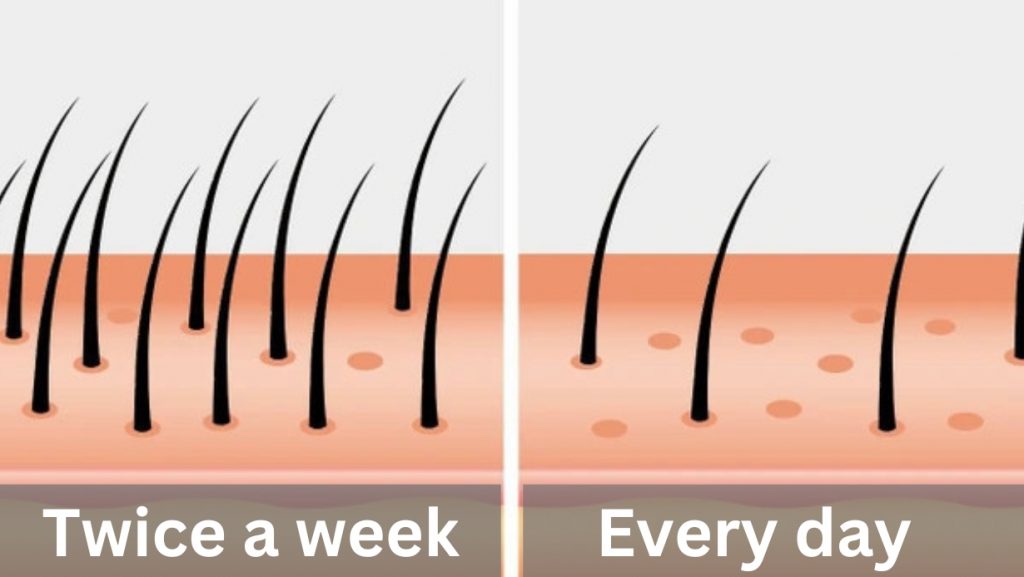
¿Con qué frecuencia hay que lavarse el pelo? Mi experiencia me ha enseñado que la respuesta más óptima es dos veces por semana.
Washing your hair every day won’t make it healthier or fuller. In fact, you’ll just end up washing too much of your natural oil. Consequently, you’ll end up with dry hair which is more likely to break.
14. Reducir el estrés

Tu cabello forma parte de ti. Por lo tanto, es natural que el estado interno de tu organismo afecte también a tu cabello.
De hecho, el estrés es la principal causa de caída del cabello, tanto en hombres como en mujeres. Científicamente, el estrés hace que los folículos pilosos entren en una fase de reposo. Esto significa que esos pelos se romperán o caerán con el tiempo.
15. Una dieta equilibrada
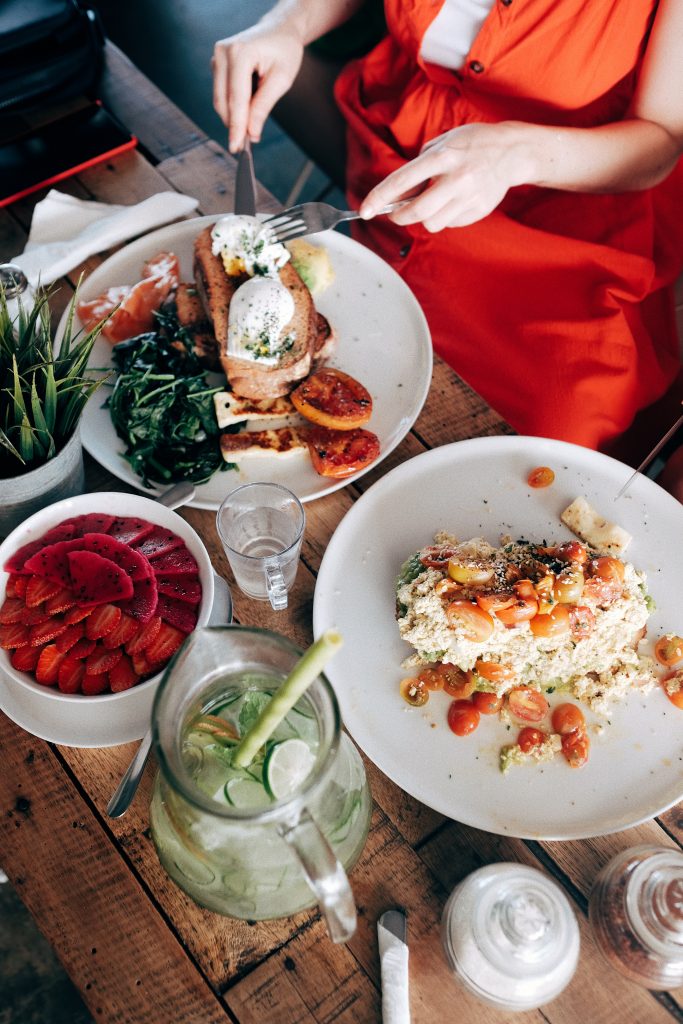
You nurture your hair from the “outside”. But for it to grow, it needs protein, vitamins, and minerals. In simple terms, you must eat healthy to have healthy hair.
Una dieta equilibrada debe incluir muchos huevos, bayas, cítricos, verduras de hoja, frutos secos, semillas, soja y zanahorias.
16. Don’t use too many haircare products
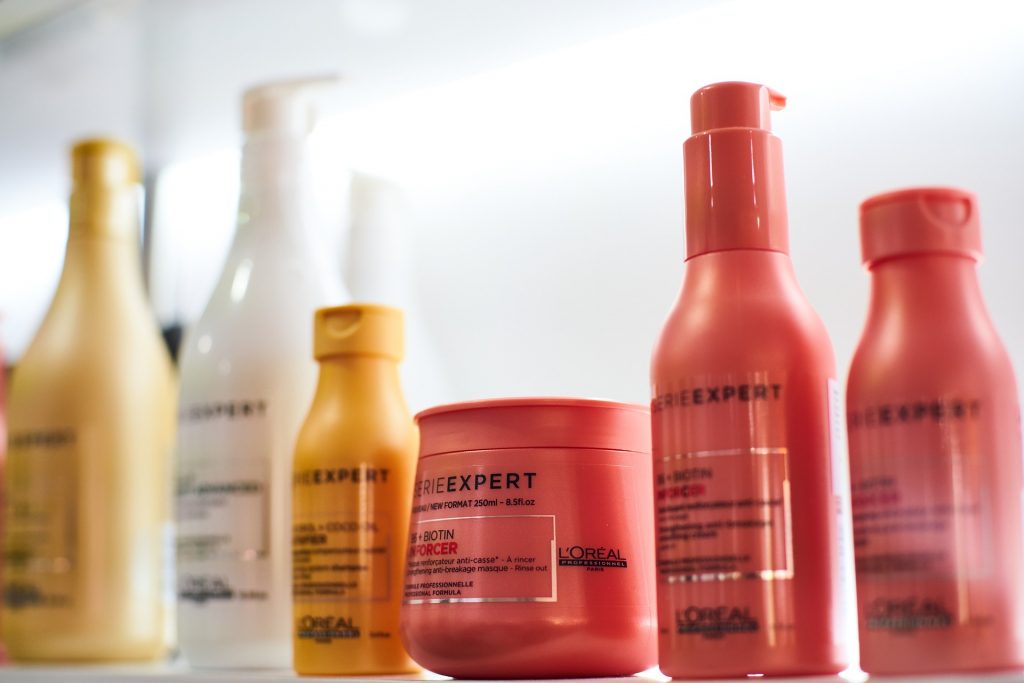
¿Sabías que un exceso de productos capilares puede tener un efecto contraproducente? Esto es especialmente cierto en el caso de geles, lacas y otros productos de peinado.
Demasiada proteína o hidratación hará que tu pelo se rompa. Además, algunos productos pueden causar daños químicos a tu cabello.
That’s why it’s crucial to find the perfect balance. Find the products that suit your hair and stick to them!
17. Cepíllate el pelo antes de lavarlo
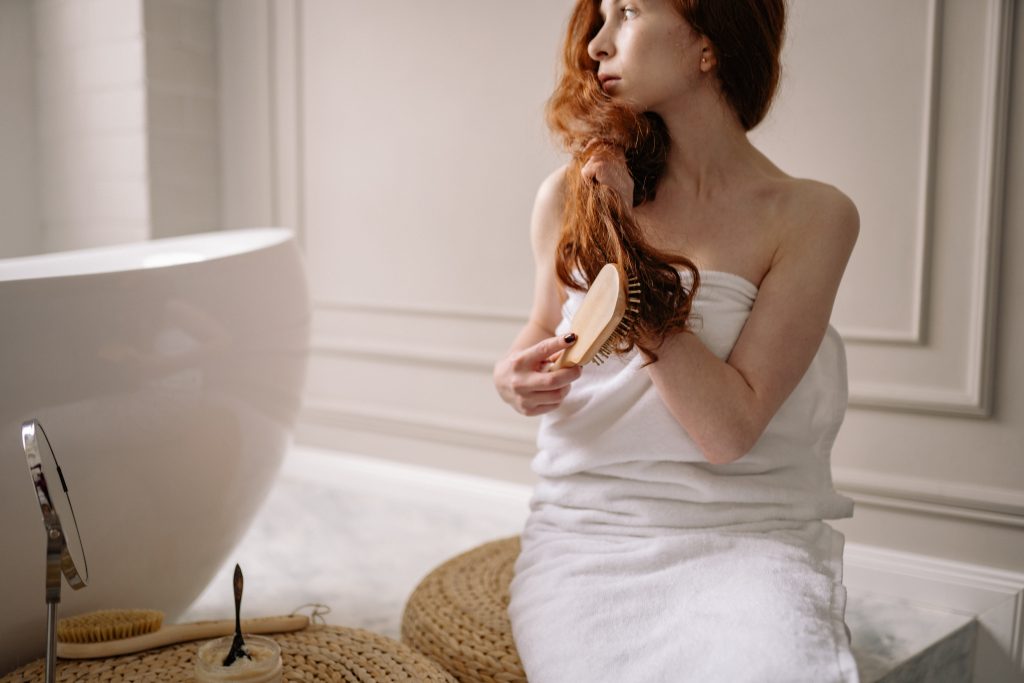
If you want to have healthy, tangle-free hair, don’t forget to brush it before washing it. We’ve already established that wet hair is more fragile, so this is the best way to protect it.
Also, it will be easier for you to apply shampoo and conditioner to untangled, brushed hair. This way, you won’t have to scrub the shampoo. Instead, you can gently rub it into your scalp.
18. Protege tu cabello
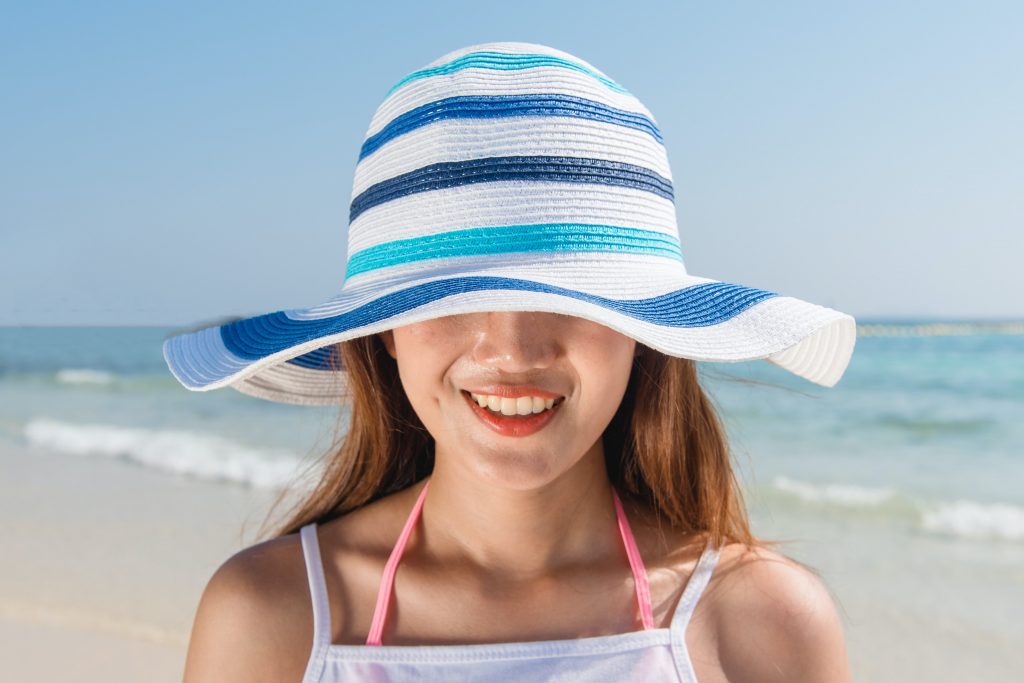
I bet you use different kinds of products to protect your skin from the damaging effects of the Sun. Well, what makes you think that your hair doesn’t require the same kind of protection as well?
I’m not talking about sun protection products for hair only here. What about the wind? The dirt? The pollution? The rain?
Me refiero a proteger físicamente el pelo del entorno, por ejemplo con un sombrero o un paraguas. Créeme: tu pelo te lo agradecerá.
19. Cuidado con las trenzas o tejidos apretados
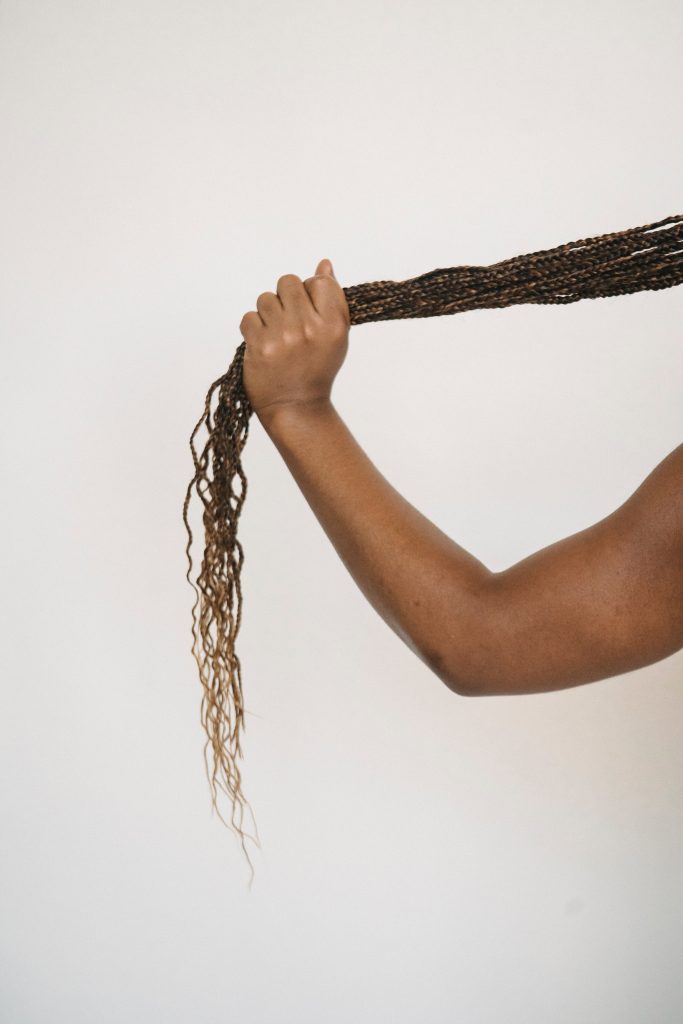
Sé lo que debes pensar: cuanto más apretadas estén tus trenzas, más durará tu peinado. Pero, ¿se te ha ocurrido alguna vez lo perjudiciales que son estos peinados para la salud de tu cabello?
It’s actually pretty simple: tight braids and weaves create too much tension and pressure on your scalp. They can cause hair breakage or even hair loss.
20. Deje que el profesional haga su trabajo
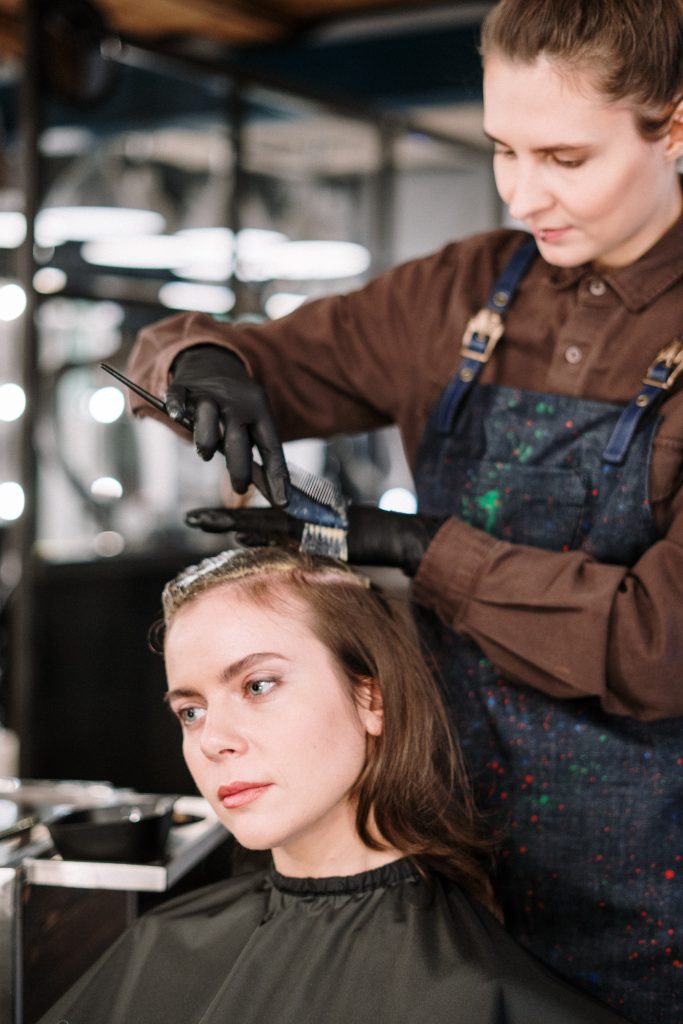
No hay nada malo en secarse el pelo en casa o incluso recortar las puntas abiertas. De hecho, te ahorrará tiempo y dinero.
But please, don’t even think of changing your hair color, bleaching your hair, or applying a keratin hair treatment by yourself. The chances are it will end up looking terrible, but that’s not even the worst part.
You’ll end up damaging your hair beyond repair! If you can’t afford a visit to the hair salon right now, please wait and don’t experiment!
Los mejores tratamientos caseros para el cabello
Here’s some good news: you don’t have to give a fortune for fancy hair treatments to get healthy hair. Most hair stylists don’t want you to know that DIY hair masks are even more efficient than most expensive products.
1. Mascarilla de aceite de coco y huevos
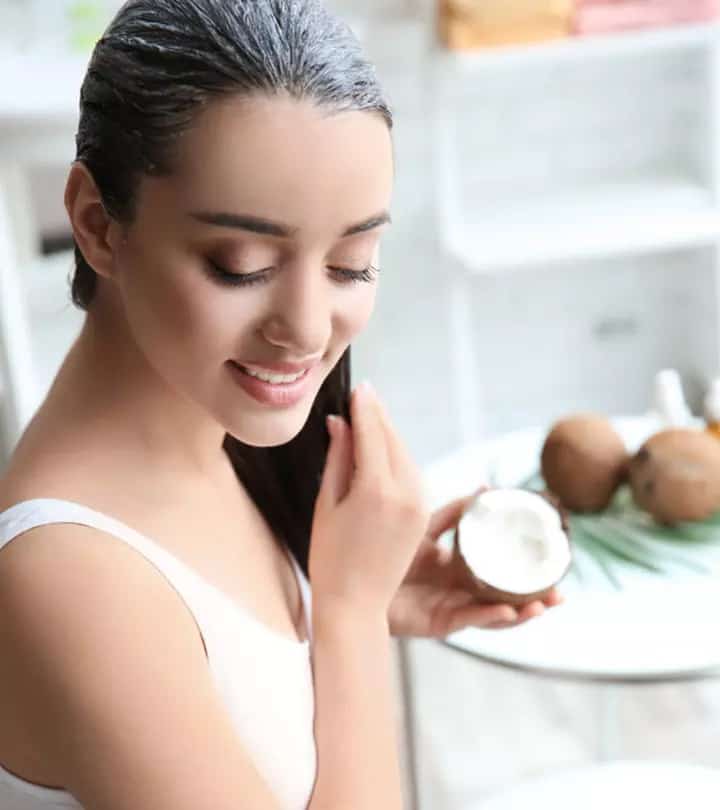
¿Cómo se hace?
- Mezclar y combinar 2 cucharadas de aceite de coco ecológico con 1 huevo batido
¿Cómo utilizarlo?
- Mójate el pelo
- Aplica la mezcla sobre el cabello húmedo
- Déjalo encendido durante 15-20 minutos
- Aclarar con agua tibia
¿Para qué sirve?
- Cabello seco, encrespado o rizado
- Mantiene el cabello hidratado
- Una fuente de proteínas
2. Mascarilla de aguacate
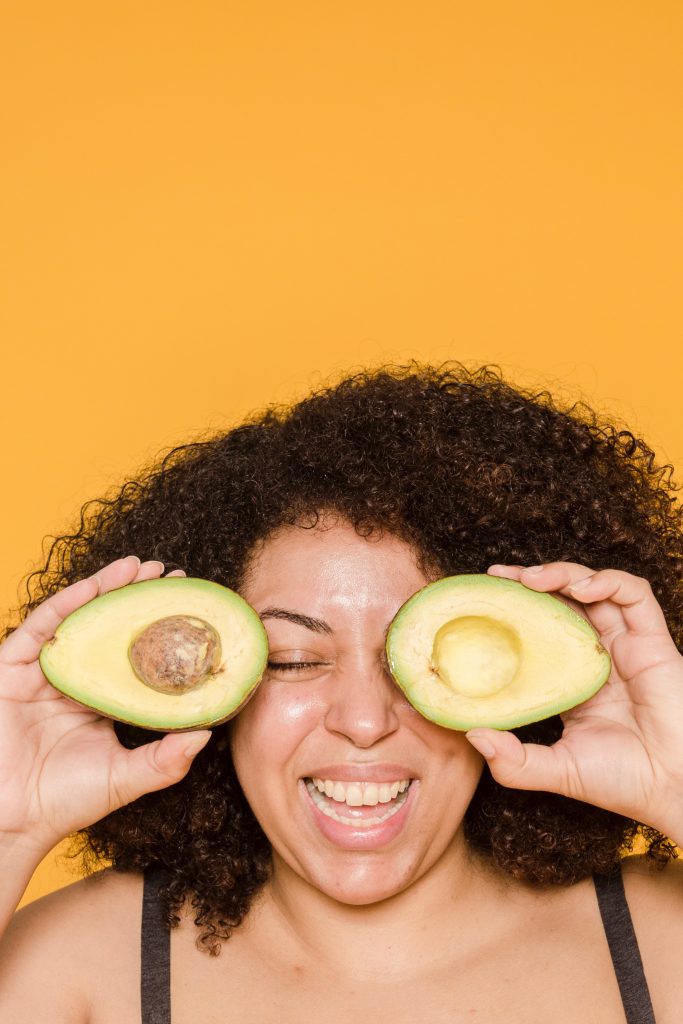
¿Cómo se hace?
- Pelar un aguacate y cortarlo en trozos
- Poner en una batidora con 3-4 cucharadas de miel y 3 cucharadas de aceite (puede utilizar aceite de coco, aceite de oliva o aceite para el cabello).)
- Mix and blend it all together until it’s smooth
¿Cómo utilizarlo?
- Aplica la mezcla sobre el cabello húmedo (especialmente en las puntas)
- Cúbrete el pelo con un gorro de ducha (el calor ayuda a que el pelo absorba mejor los ingredientes)
- Deje la mascarilla puesta durante 20-30 minutos
- Enjuáguelo
¿Para qué sirve?
- Lo mejor para el pelo rizado
- Revitaliza el cabello
- Avocado’s natural oils serve as a conditioner
3. Plátano, aceite de coco y miel
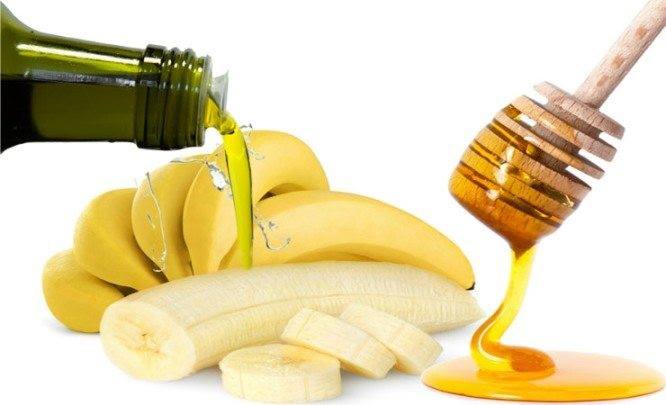
¿Cómo se hace?
- Mezclar 2 cucharadas de aceite de coco, 1 plátano maduro machacadoy 2 cucharadas de miel hasta que los ingredientes se mezclen
¿Cómo utilizarlo?
- Aplica la mascarilla sobre el cabello seco
- Ponte un gorro de ducha
- Déjalo encendido durante 15-20 minutos
- Aclarar abundantemente
¿Para qué sirve?
- Lo mejor para el cabello seco y dañado
- Hidrata el cabello
- Protege el cabello del sol
- Fuente de vitaminas y calcio
- Favorece el crecimiento del cabello
4. Mayo, yogur y aceite de almendras
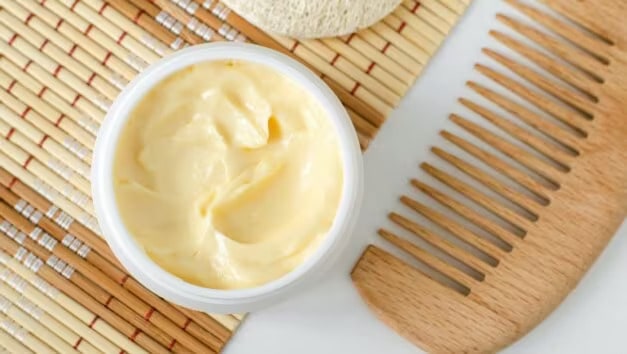
¿Cómo se hace?
- Mezclar 2 cucharadas de aceite de almendras, 4 cucharadas de mayonesa y 1 taza de yogur griego hasta que todo esté mezclado
¿Cómo utilizarlo?
- Poner la mezcla sobre el cabello húmedo
- Masajear el cuero cabelludo de la raíz a las puntas.
- Déjalo encendido durante 20-30 minutos
- Aclarar abundantemente
¿Para qué sirve?
- Lo mejor para el cabello seco y encrespado
- Hidrata el cabello
- Aumenta la fuerza y la suavidad del cabello
5. Enjuague de sidra de manzana
¿Cómo se hace?
- Mezclar 3 cucharadas de vinagre de sidra de manzana con 15 onzas de agua
¿Cómo utilizarlo?
- Aplicar la mezcla sobre el cabello después del champú y el acondicionador
- Frótalo en el cuero cabelludo y en todo el cabello
- Déjalo encendido durante 2-3 minutos
- Aclarar con agua fría
¿Para qué sirve?
- Ideal para cabellos grasos y finos
- Suaviza el cabello
- Fortalece los folículos
- Desenreda el cabello
- Elimina el exceso de grasa del cuero cabelludo
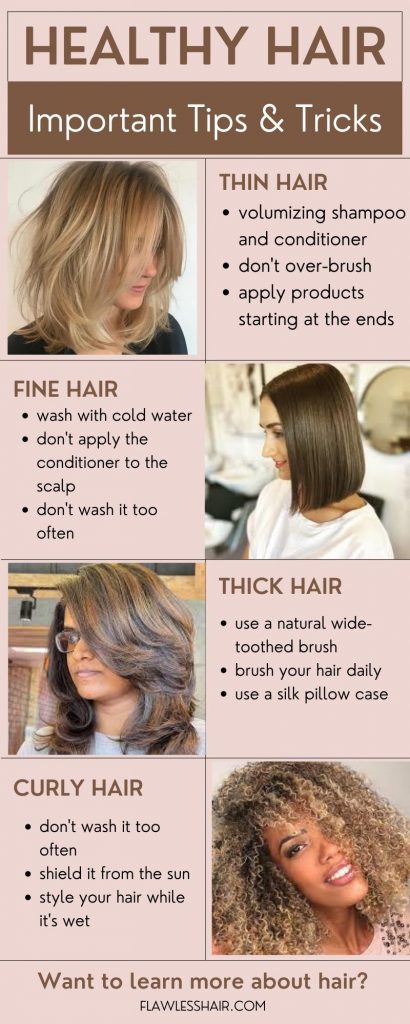
Infografía: Consejos y trucos para un pelo sano
Preguntas frecuentes
¿Cómo saber si tu pelo no está sano?
- Puntas abiertas
- Sin brillo
- Sin elasticidad
- Rotura
- Falta de humedad
¿Por qué tu pelo no está sano?
- Genética
- Dieta desequilibrada
- Exceso de estilo
- Lavado excesivo
- Cepillado excesivo
- Productos capilares incorrectos
- Estrés
Principales conclusiones
• Choose the right hair products, according to your hair type and texture
• Don’t wash your hair too often
• Say no to too much heat on your hair
• Change your diet and life habits
• Leave some things to professionals