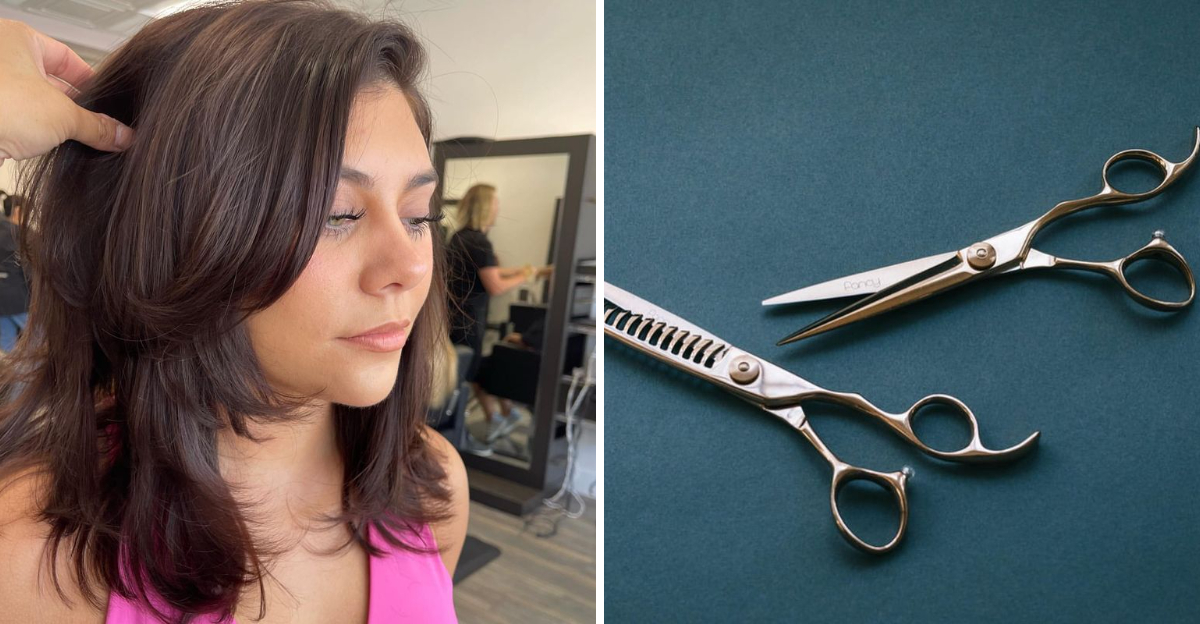
35 Things To Keep In Mind For Your DIY Haircut
Thinking about giving yourself a DIY haircut? It can be an exciting yet daunting adventure! Whether you’re looking to trim your ends, experiment with a new style, or simply save some money, there are several factors to consider before taking the plunge.
1. Entender la textura del cabello
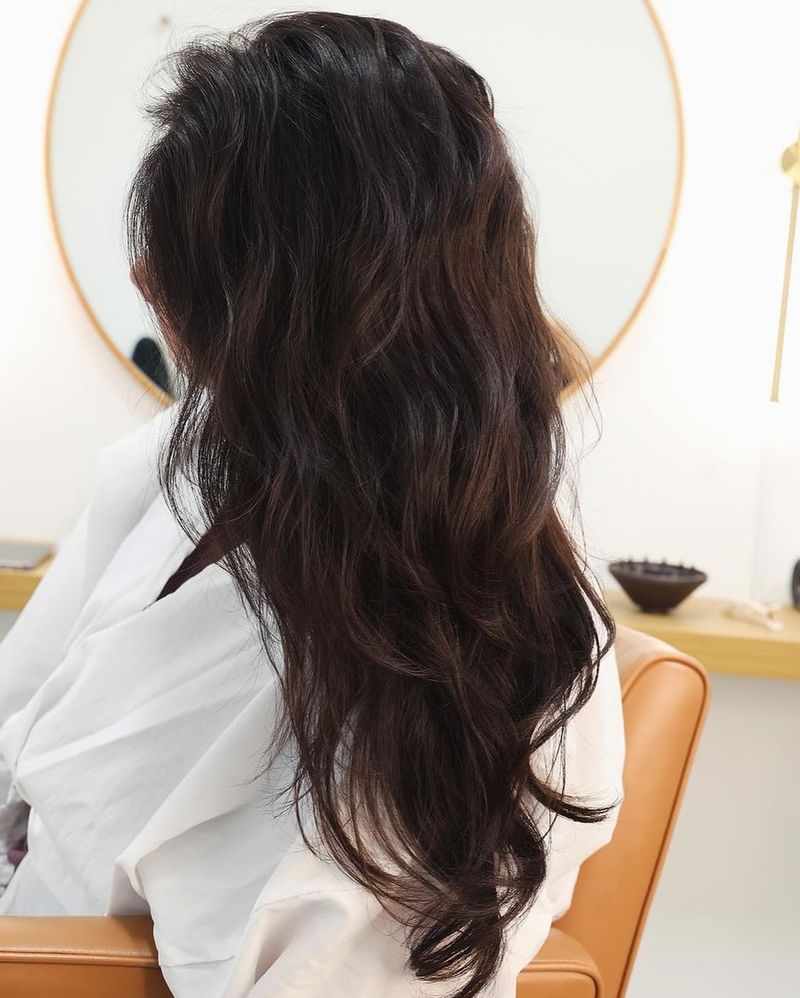
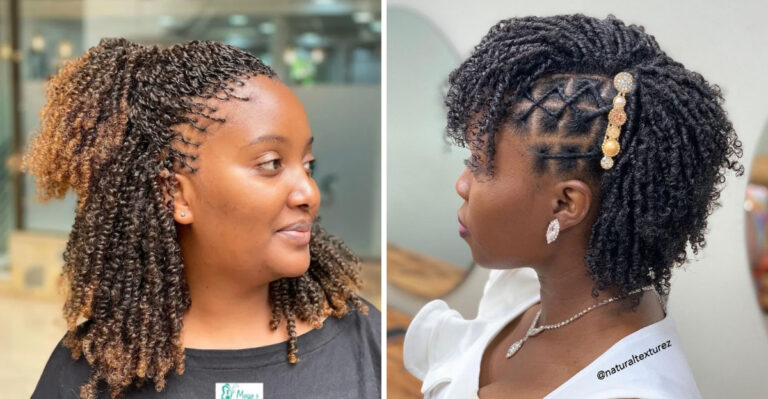
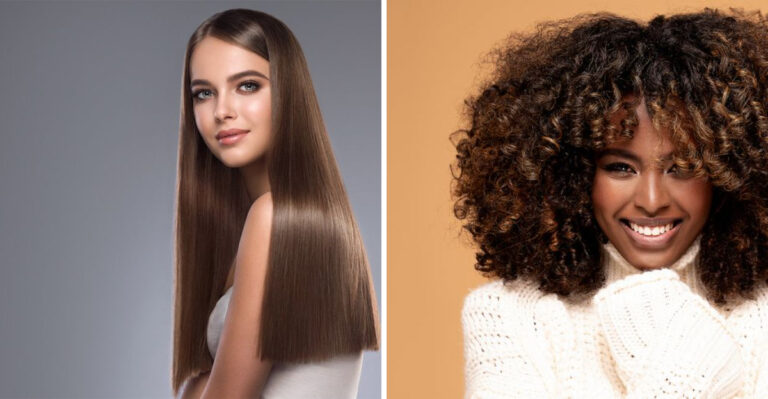
Hair texture plays a crucial role in how your haircut will turn out. Understanding whether you have fine, thick, curly, or straight hair will guide your cutting technique. Take time to learn about your hair type, as this knowledge can make all the difference.
2. Elegir las herramientas adecuadas
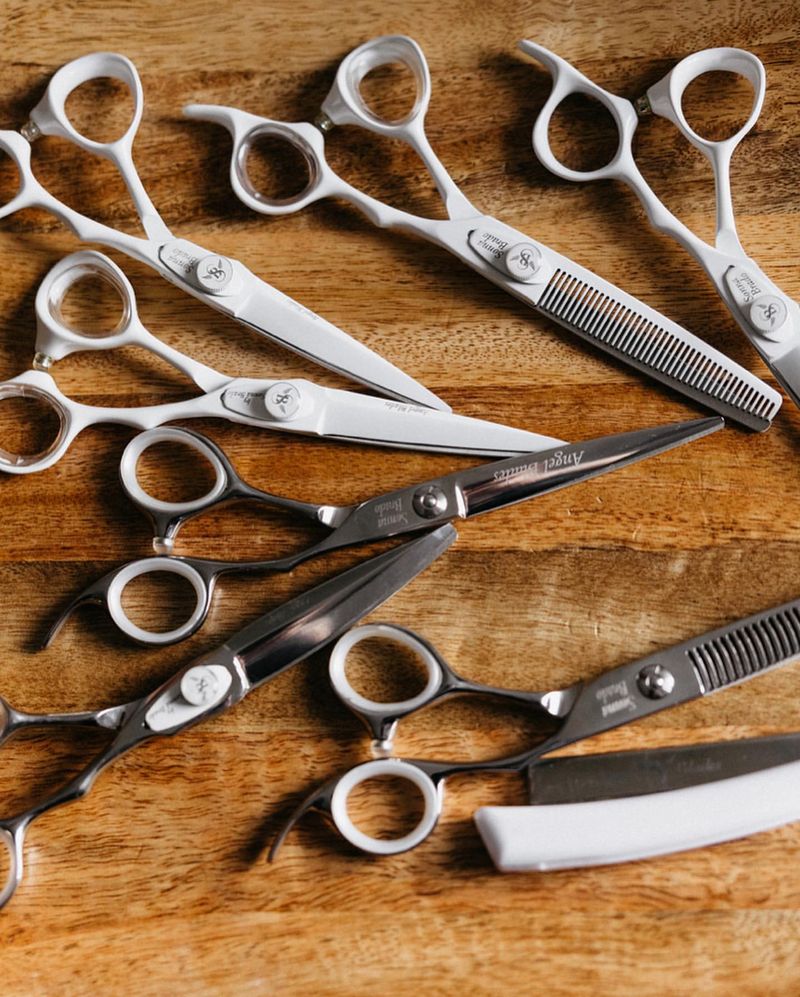
The tools you choose significantly impact the outcome of your DIY haircut. Invest in quality scissors and clippers suited for your hair type. A sharp pair ensures clean cuts, while dull ones can fray the ends.
Relacionados: -7 Straight-Hair Problems No One Talks About And 8 Easy Fixes That Shine
3. Investigar las tendencias capilares
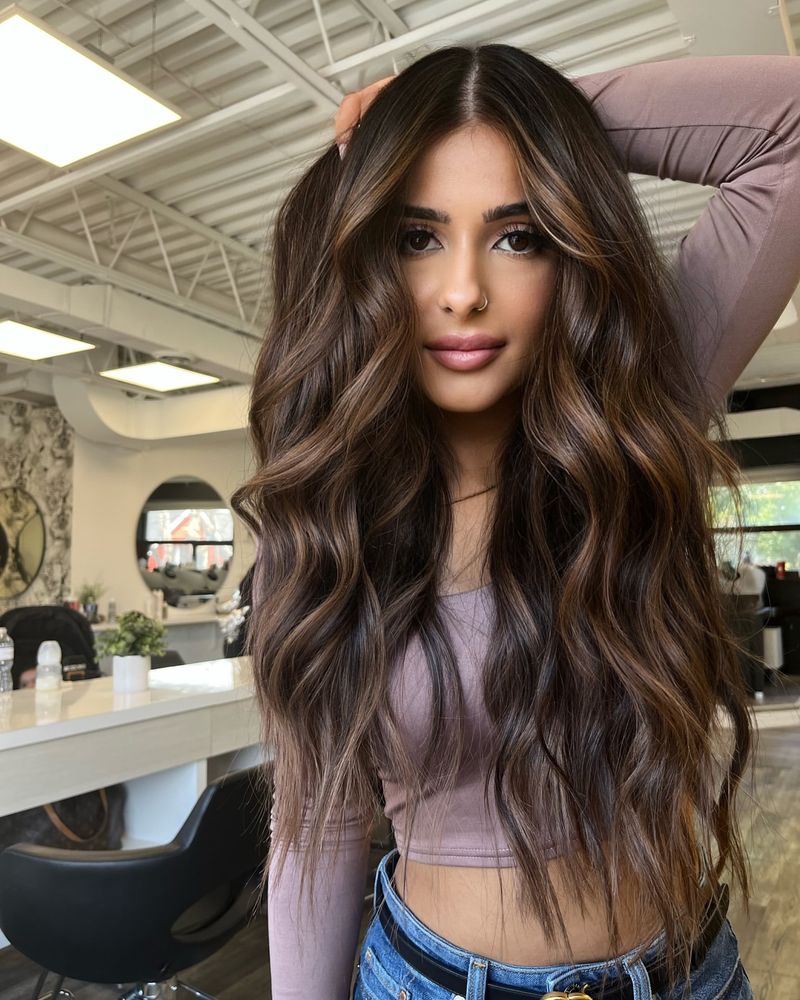
Estar al día de las tendencias capilares puede inspirar tu corte de pelo DIY. Consulta revistas o plataformas online para descubrir estilos que encajen con tu personalidad y forma de cara.
4. Preparación del espacio de trabajo

Un espacio de trabajo limpio y organizado es la base de un buen corte de pelo. Asegúrate de que haya una buena iluminación y ten preparada una silla cómoda.
5. Assessing Hair Length
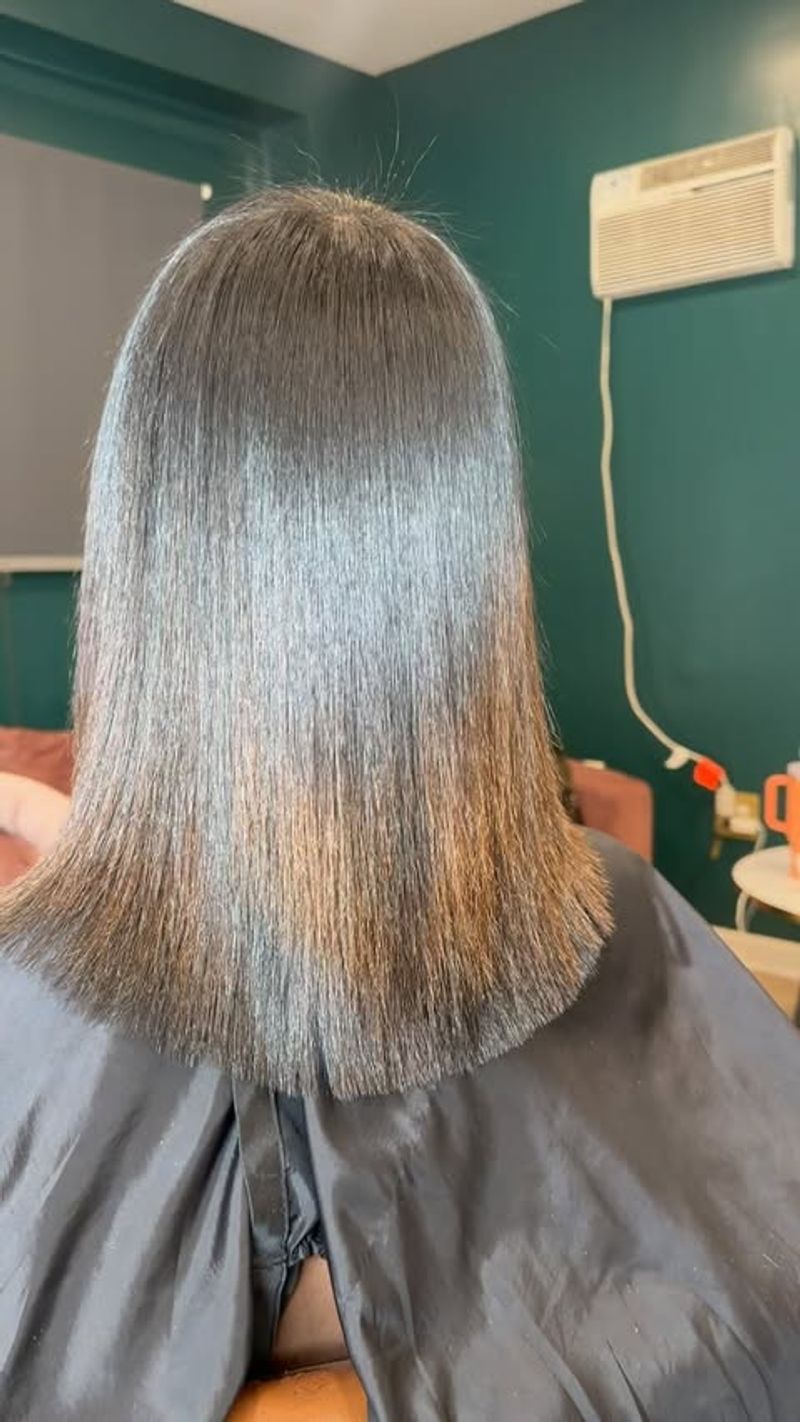
Understanding your current hair length helps in planning the desired cut. Measure sections to decide how much to trim. This ensures you don’t overcut, leaving room for adjustments.
6. Consulting Tutorials
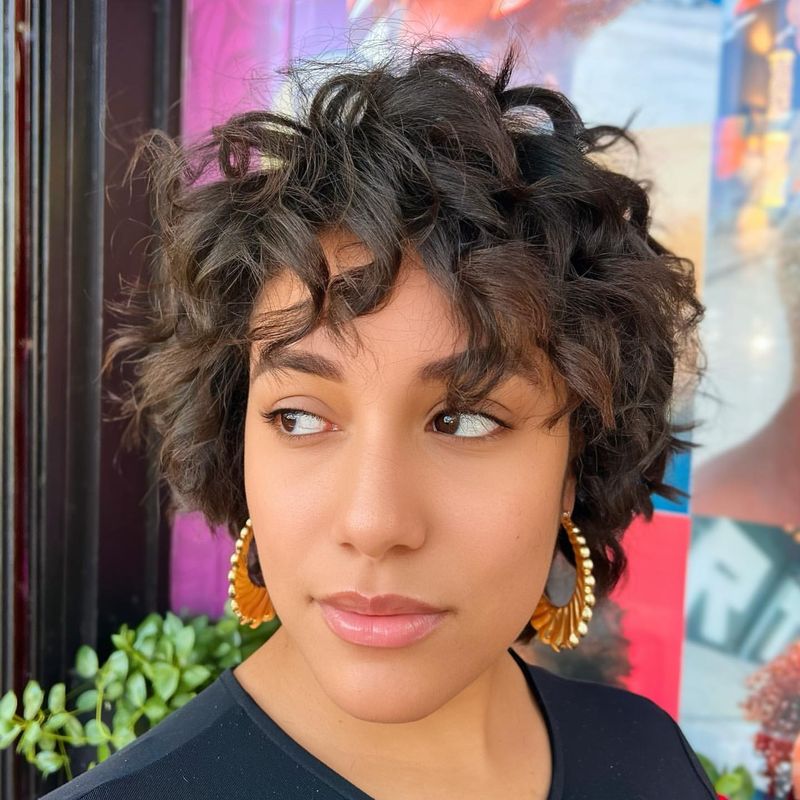
Tutorials are a great resource for visualizing the haircut process. Many professionals share step-by-step guides on platforms like YouTube. Pause and replay sections to grasp techniques fully. Gaining insights from experts equips you with confidence and skill.
7. Practicar la paciencia
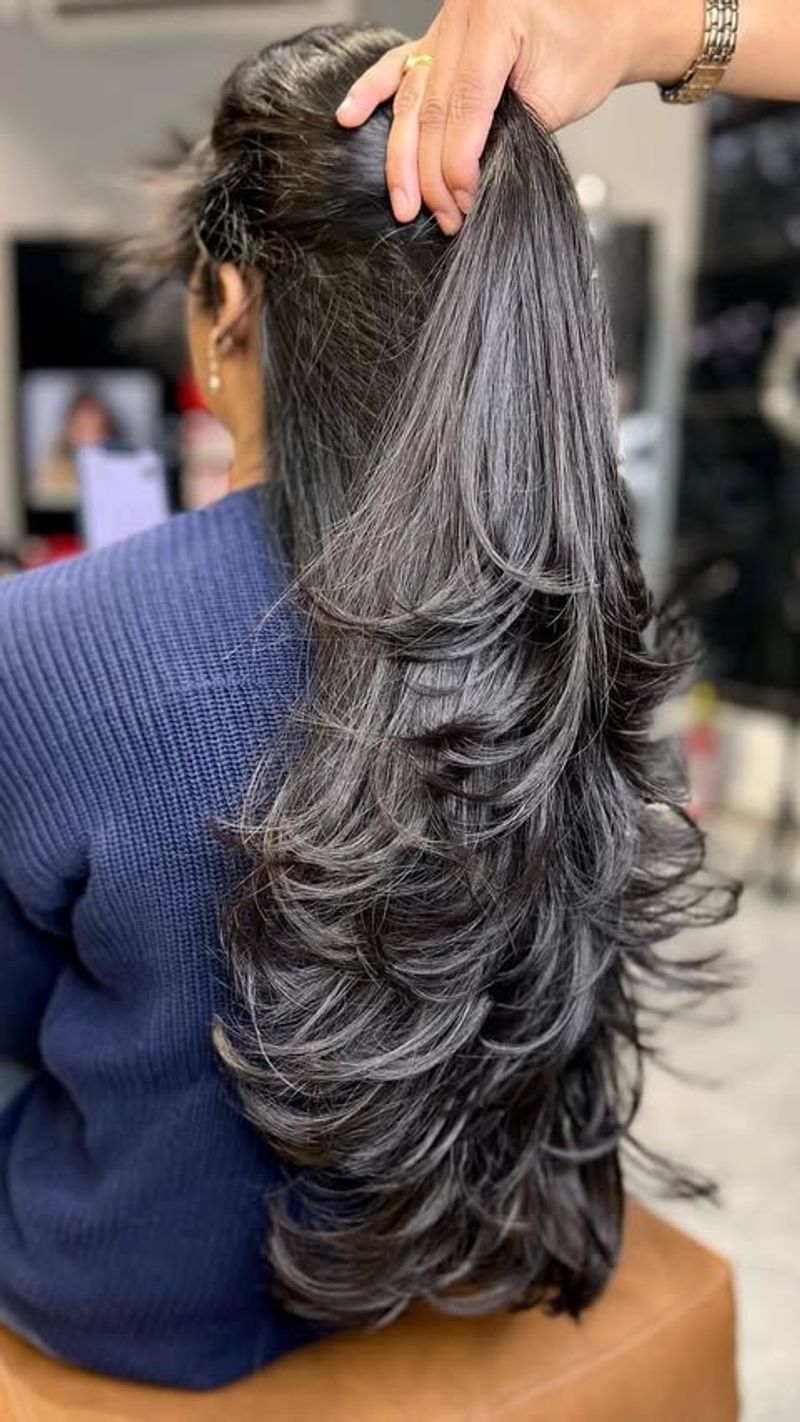
La paciencia es clave en los cortes de pelo DIY. Las prisas aumentan el riesgo de cometer errores. Dedica el tiempo suficiente para garantizar la precisión y el cuidado en cada corte.
8. Decidir el estilo

Tener una visión clara del estilo deseado ayuda a guiar el proceso de corte de pelo. Ten en cuenta tu rutina diaria, tu nivel de mantenimiento y tu estética personal.
9. Pruebas con peluca

Antes de empezar a cortar por ti mismo, practica con una peluca para ganar confianza. Esta prueba te ayudará a familiarizarte con las técnicas y herramientas de corte.
10. Recopilación de opiniones
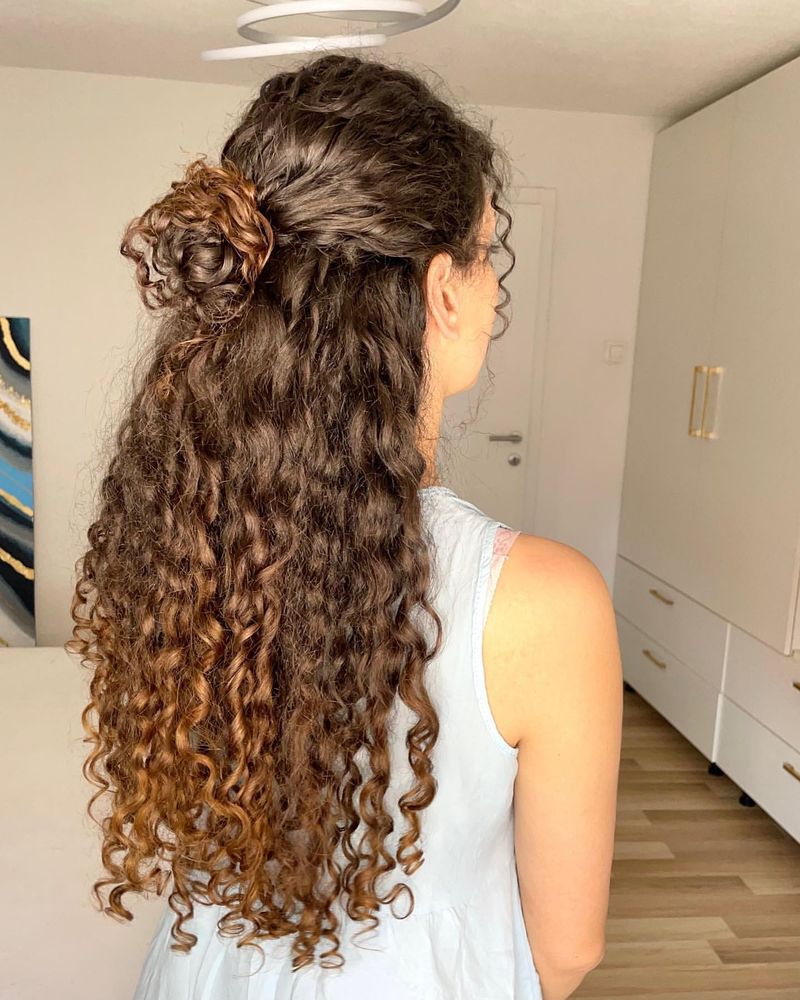
Los comentarios de amigos o familiares de confianza pueden ser muy valiosos. Puede que se fijen en detalles que tú pasas por alto. Comparte con ellos el estilo que has planeado y pídeles su opinión sincera.
11. Practicar con una muñeca

Para los principiantes, las muñecas ofrecen una excelente manera de practicar las técnicas de corte en un entorno de baja presión. Experimentar con el pelo de las muñecas permite probar herramientas y estilos.
12. Comprender la forma de la cara
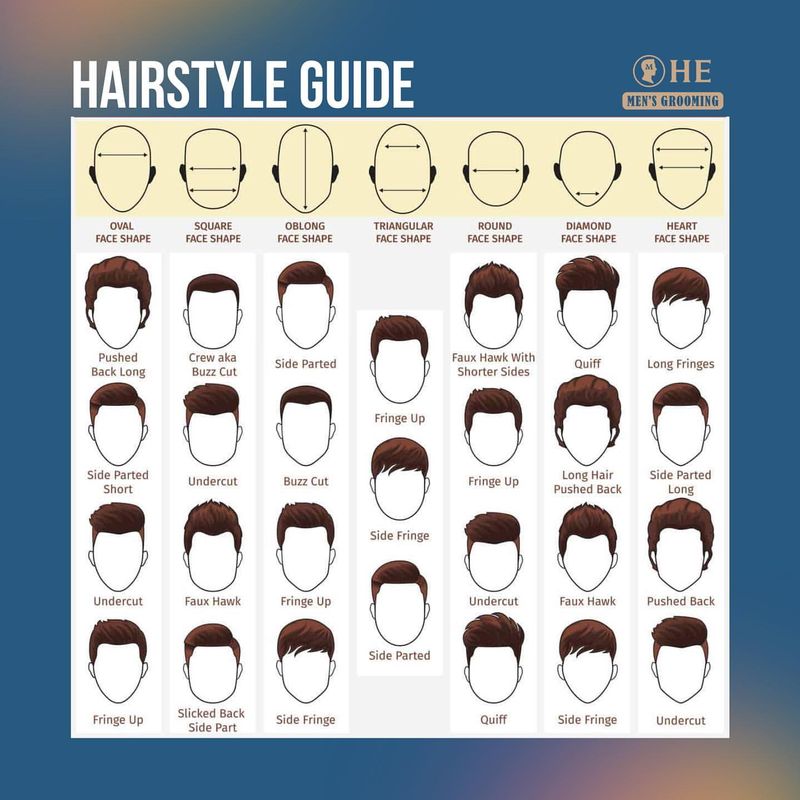
Your face shape influences which hairstyles will suit you best. Identify whether your face is round, oval, square, or heart-shaped. Face shape understanding ensures your haircut enhances your natural features rather than working against them.
13. Dar pasos de bebé

Approach your DIY haircut with small, cautious snips. This strategy minimizes the impact of mistakes, allowing for gradual adjustments. Baby steps ensure a more comfortable and less stressful experience.
14. Establecer expectativas realistas

Comprender las posibilidades y limitaciones de tu cabello fomenta unas expectativas realistas. Acepta su textura natural y su patrón de crecimiento.
15. Experimentar con accesorios

Los accesorios pueden realzar cualquier corte de pelo, añadiéndole estilo y personalidad. Experimenta con clips, cintas y horquillas para cambiar de estilo después de tu corte DIY.
16. Abrazar las imperfecciones
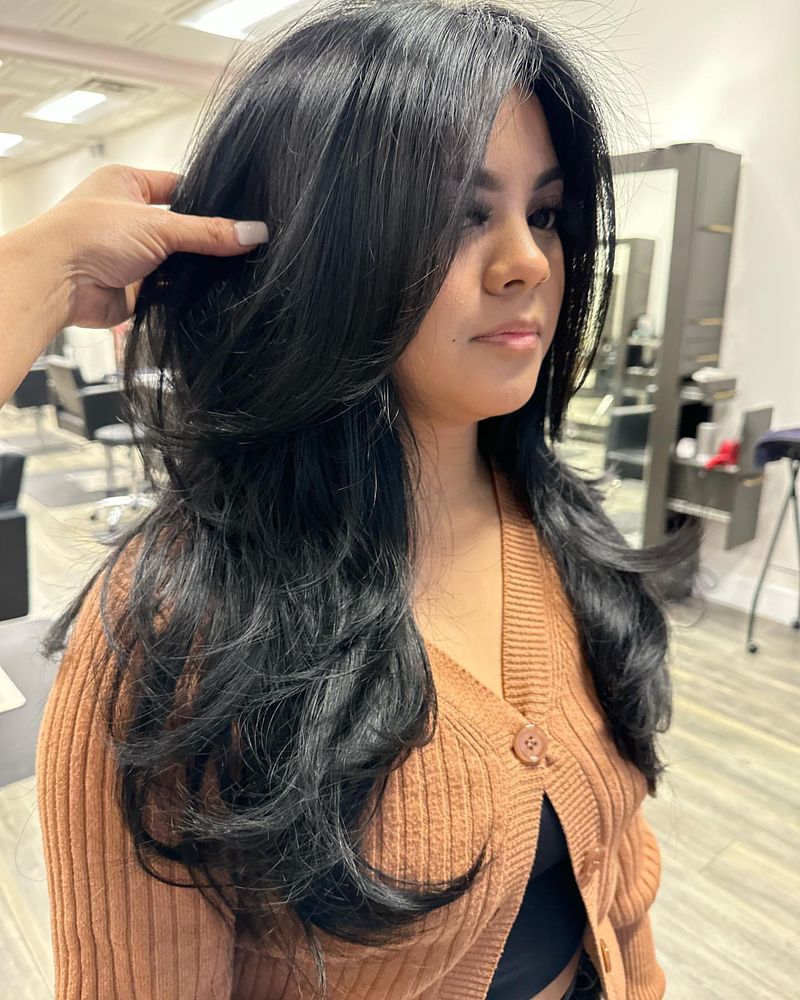
Las imperfecciones son una parte natural de los cortes de pelo DIY. Añaden carácter y a menudo pasan desapercibidas para los demás. Acepta estas peculiaridades como prueba de tu creatividad y valentía.
17. Considerar los productos capilares
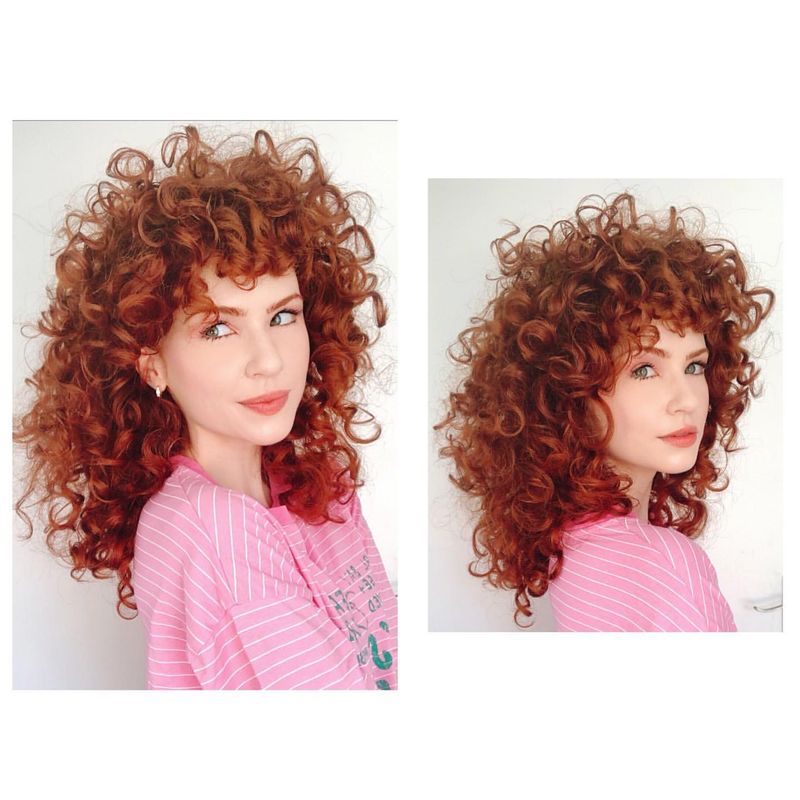
Los productos capilares adecuados pueden transformar un corte de pelo DIY. Tanto si necesitas volumen, fijación o textura, productos como geles, mousses y ceras son esenciales.
18. Practicar la limpieza

La limpieza a fondo es una parte crucial del proceso de corte de pelo. La eliminación responsable de los recortes de pelo evita líos y mantiene la higiene.
19. Planificación del mantenimiento

Regular maintenance helps preserve your haircut’s shape and health. Plan for periodic trims to avoid split ends and overgrowth. A maintenance plan keeps your haircut looking fresh and manageable.
20. Grabar su proceso
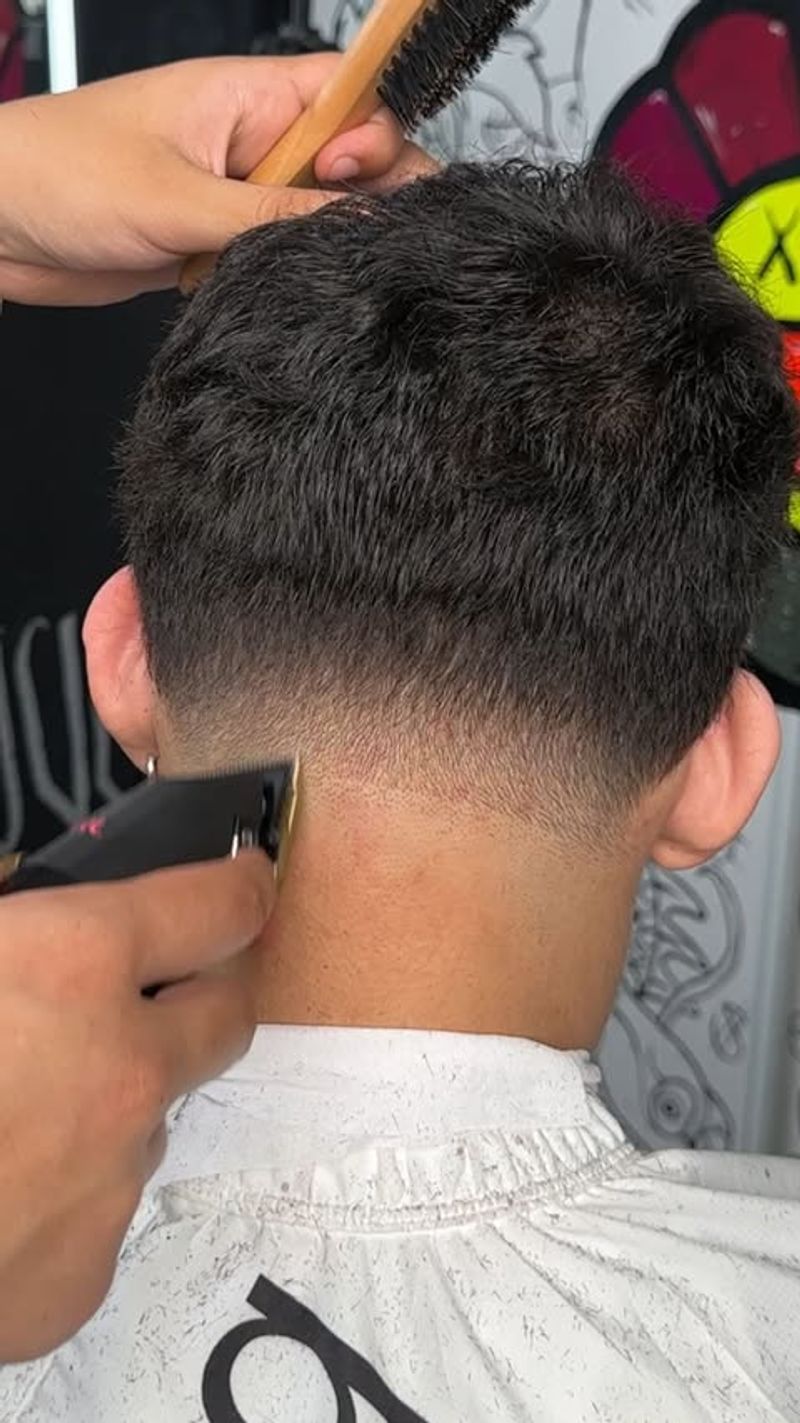
Keep a record of your DIY haircut process. Documenting each step, technique, and tool used creates a valuable reference for future cuts. A personal guide offers reassurance and guidance, making each subsequent haircut smoother.
21. Probar aplicaciones virtuales de corte de pelo

Virtual haircut apps offer a risk-free way to experiment with styles. Upload a photo and try various cuts to see what suits you. These apps provide a visual guide, helping to set clear goals.
22. Creación de tableros de ideas

Mood boards are a creative way to visualize your haircut inspirations. Compile images, sketches, and ideas that resonate with your style. This collection serves as a reference throughout the cutting process, ensuring your vision stays consistent.
23. Consulta a un profesional
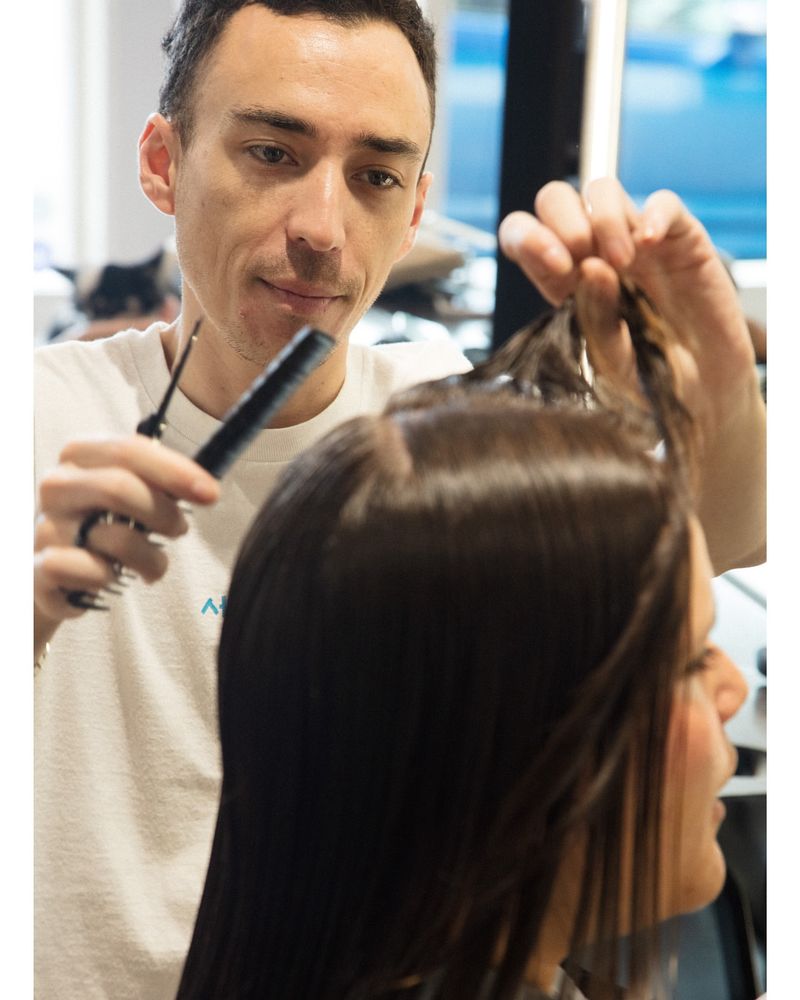
Before embarking on a DIY haircut, consult a hairstylist for expert advice. Discuss your ideas and gather tips to achieve your desired outcome. Professionals provide insights into techniques and styles that complement you.
24. Practicar la seguridad
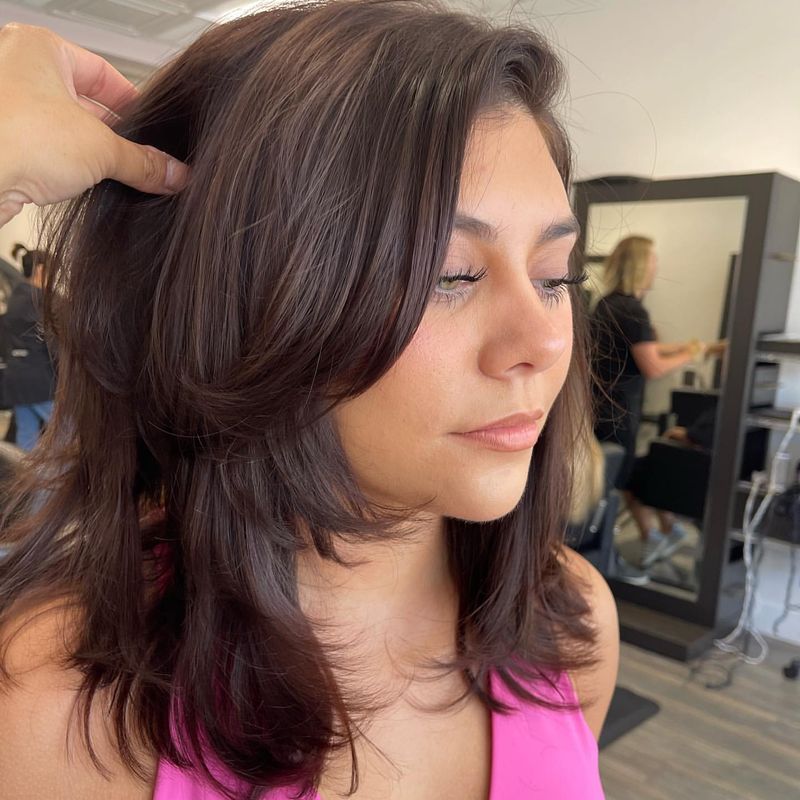
La seguridad nunca debe pasarse por alto en los cortes de pelo de bricolaje. El uso de herramientas afiladas requiere precaución y concentración. Utiliza gafas protectoras para protegerte los ojos de los pelos sueltos.
25. Celebrar el éxito

Celebra el éxito de tu corte de pelo DIY. Admira el trabajo y el esfuerzo que has invertido. Reconocer tus logros aumenta tu confianza y te anima a intentarlo en el futuro.
26. Aprender de los errores

Los errores forman parte del proceso de aprendizaje. Reflexiona sobre lo que salió mal y cómo mejorar la próxima vez. Cada error es una oportunidad para crecer y mejorar las habilidades.
27. Comprender el crecimiento del cabello
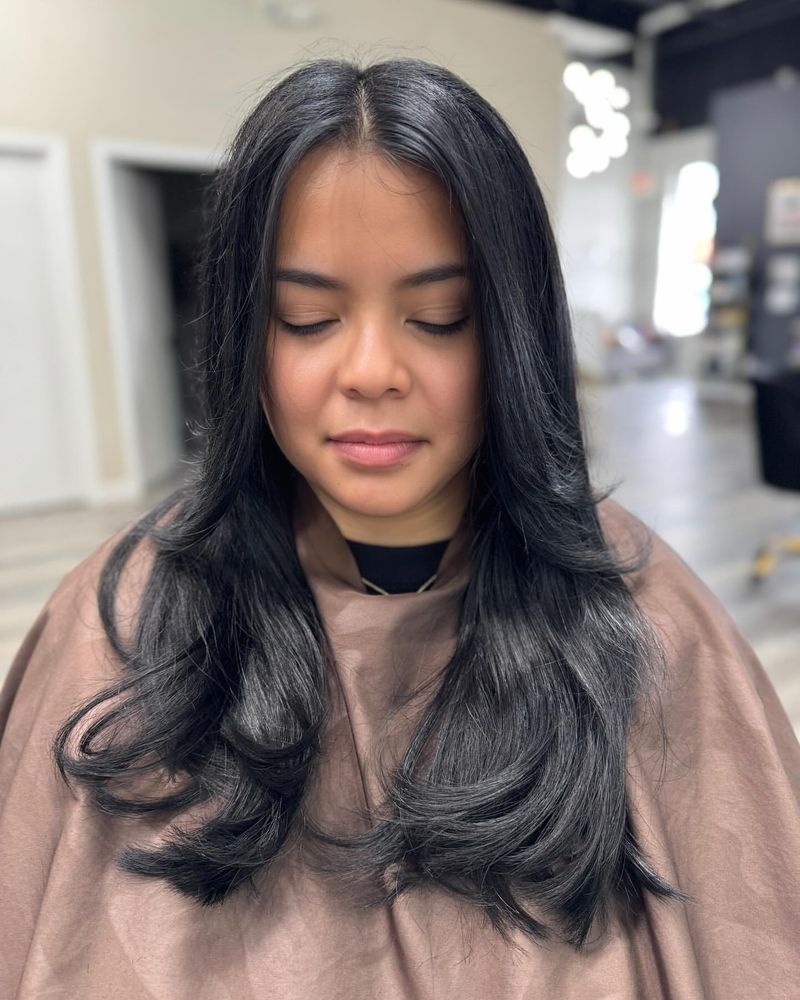
El pelo crece a un ritmo medio de medio centímetro al mes. Comprender esto ayuda a planificar la frecuencia del corte de pelo y a gestionar las expectativas.
28. Experimentar con colores
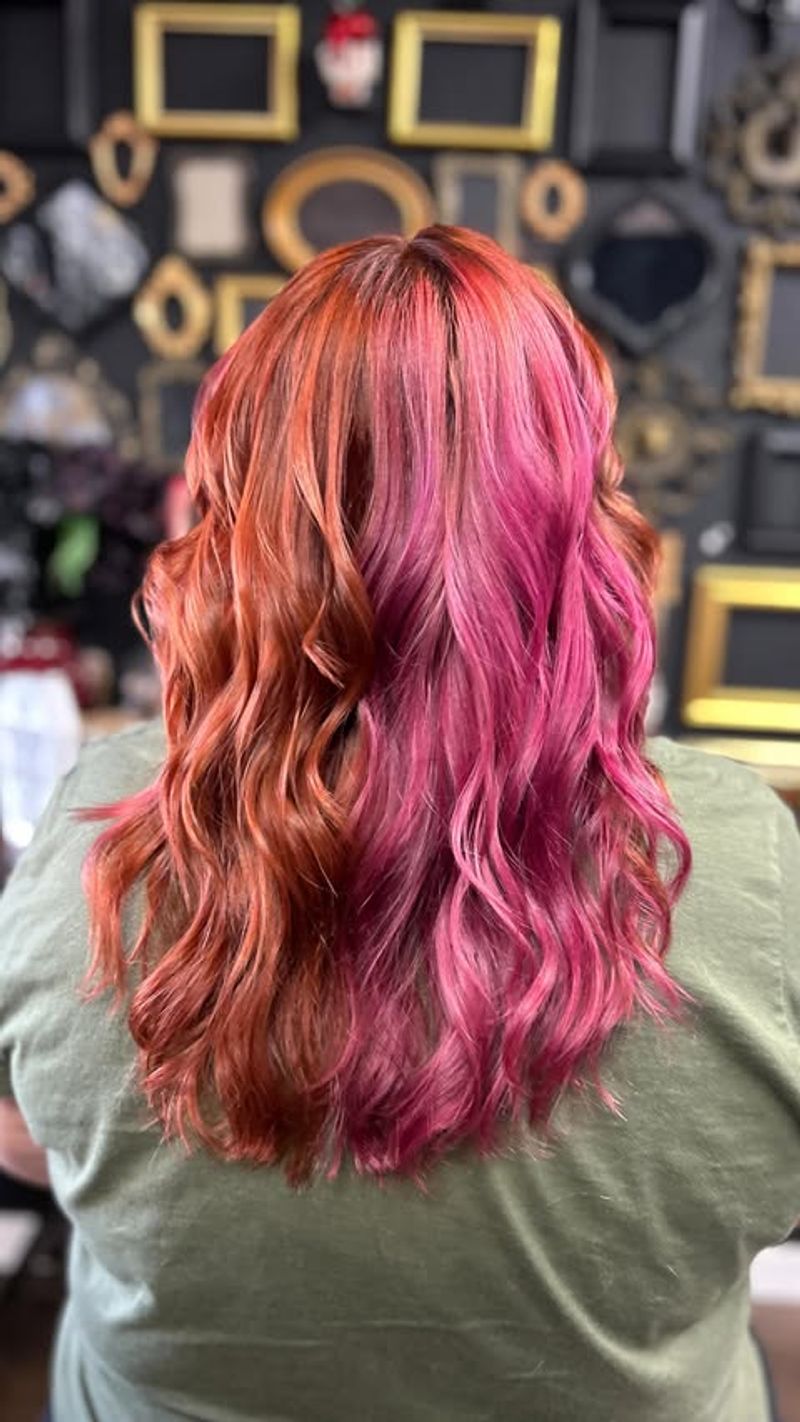
Adding color to your DIY haircut can transform your look entirely. Experiment with temporary dyes or highlights to add a splash of creativity. Whether bold or subtle, color experimentation can breathe new life into your haircut and express your unique personality.
29. Buscar inspiración en los famosos

Celebrities often sport innovative and stylish haircuts. Seek inspiration from their looks to guide your DIY venture. While celebrity styles are aspirational, ensure they align with your personal preferences and lifestyle for a haircut that’s truly yours.
30. Practicar antes de grandes acontecimientos
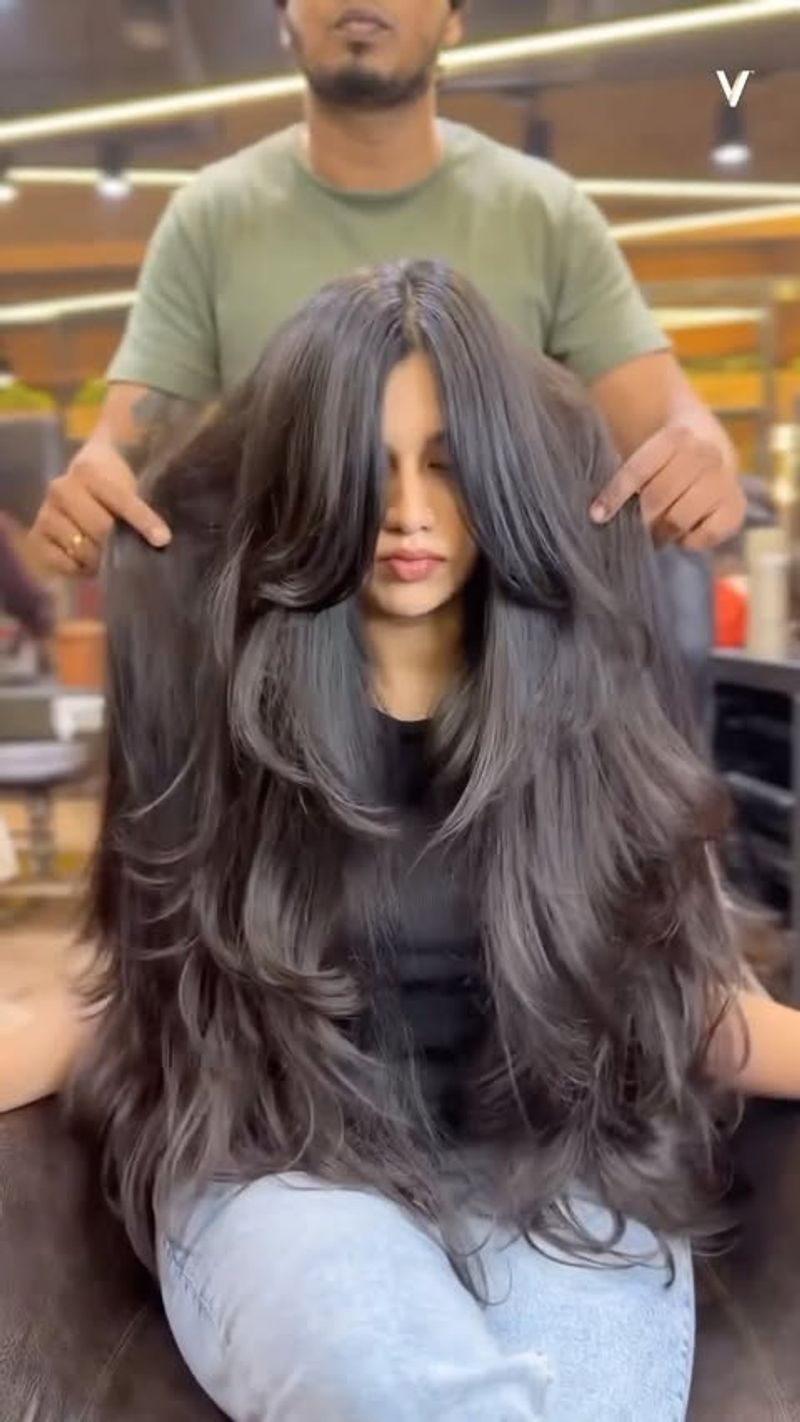
Evite experimentar justo antes de ocasiones importantes. Practica y perfecciona tus habilidades con suficiente antelación para garantizar la confianza y la competencia.
31. Comprender las técnicas de estratificación
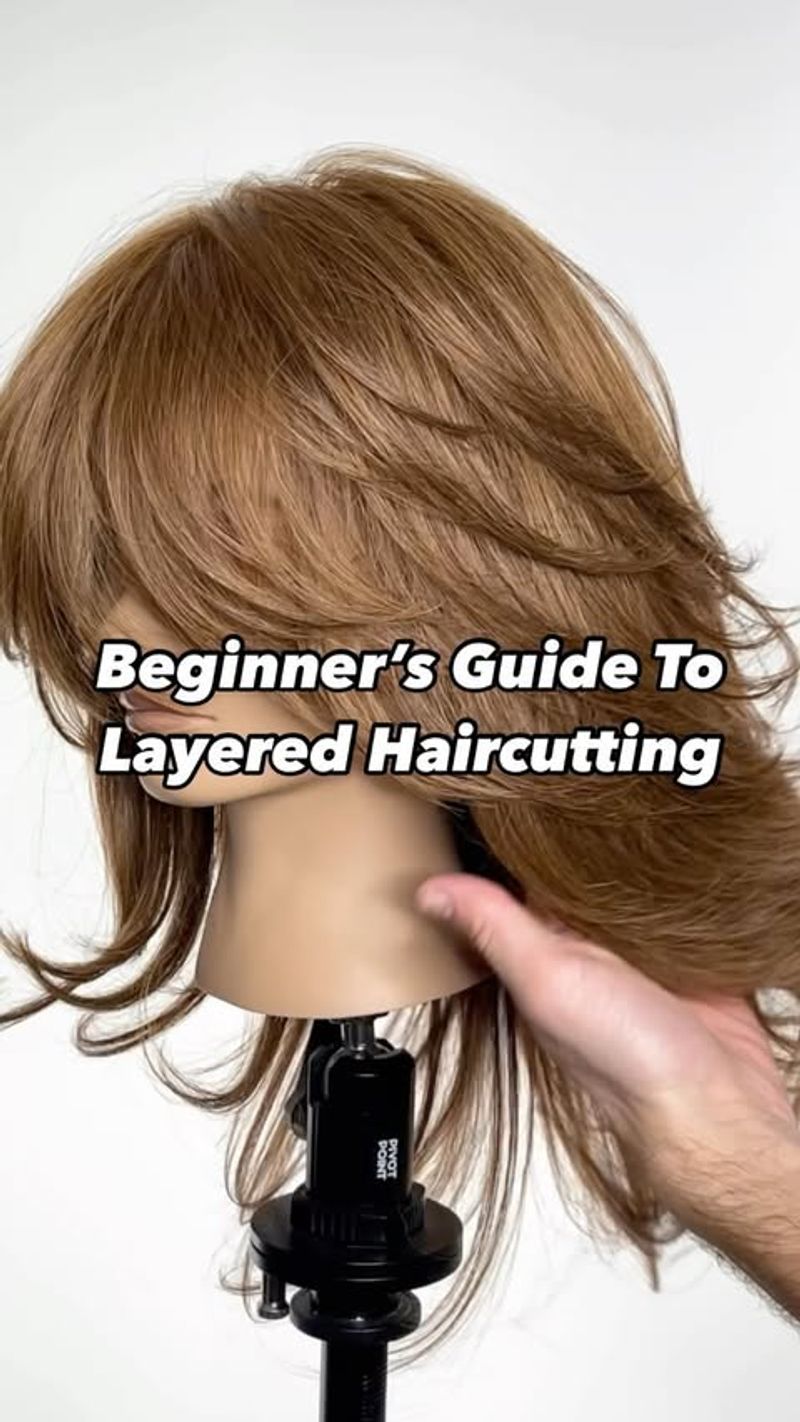
Layering adds dimension and volume to haircuts. Understanding different layering techniques can elevate your DIY haircut. Mastery of layering techniques ensures a dynamic and professional-looking haircut.
32. Aceptar el cambio

A new haircut symbolizes change and fresh starts. Embrace the transformation and the possibilities it brings. Embracing change allows you to explore different facets of your personality, making your DIY haircut a journey of self-discovery and growth.
33. Comprender el control del cizallamiento
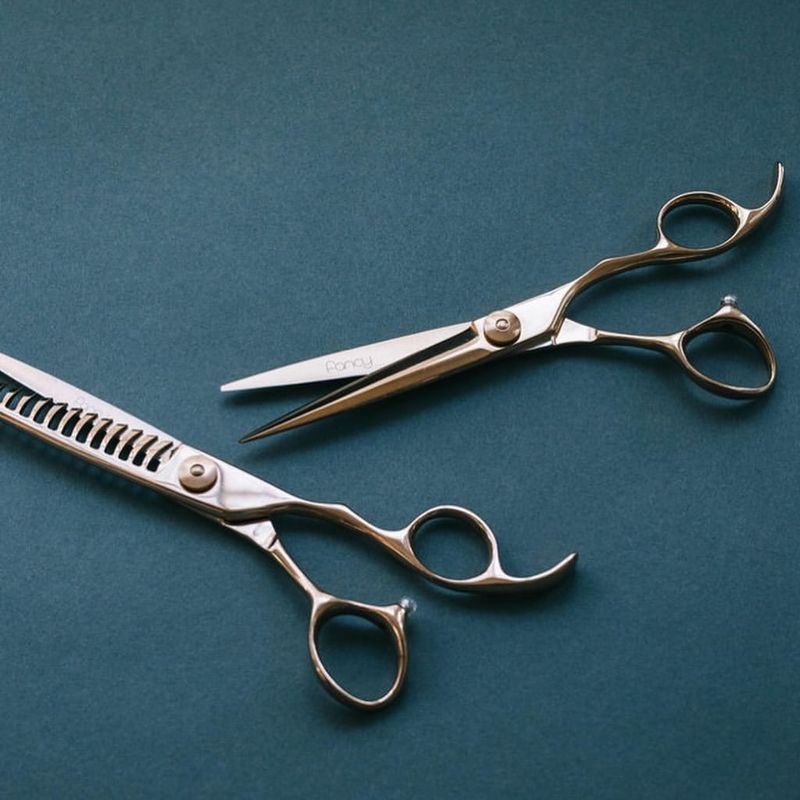
Shear control is pivotal in achieving clean and even cuts. Practice your grip and cutting angle for precision. Controlled shearing enhances accuracy and minimizes mistakes, leading to a polished finish.
34. Hair Condition Assessment
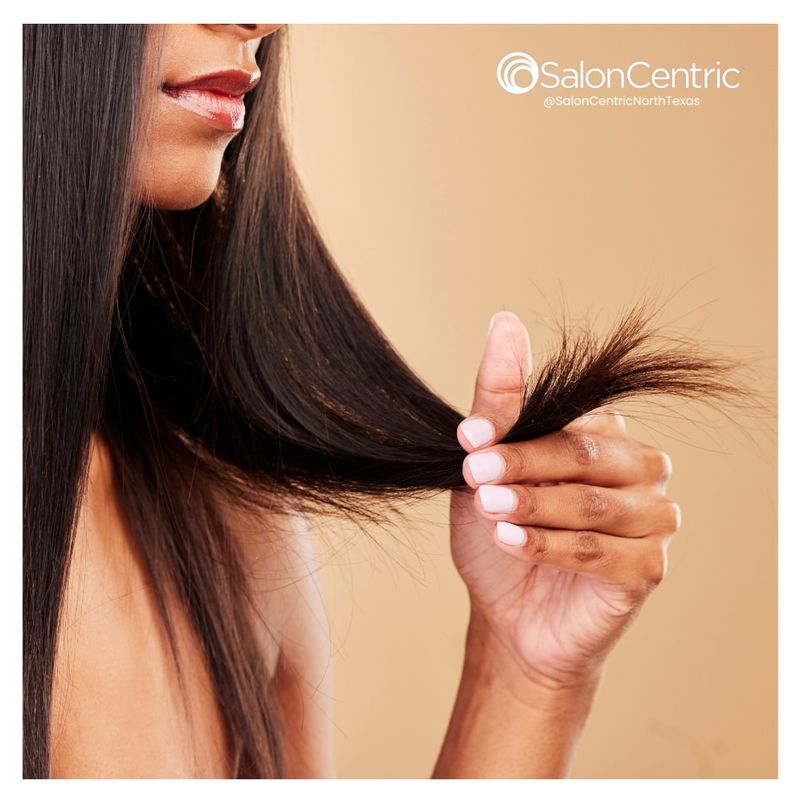
Assessing the condition of your hair is crucial before starting your DIY haircut. Examine for split ends, dryness, or damage that may affect the cutting process. This preparation ensures that your haircut doesn’t exacerbate any existing issues.
35. Mirror Setup
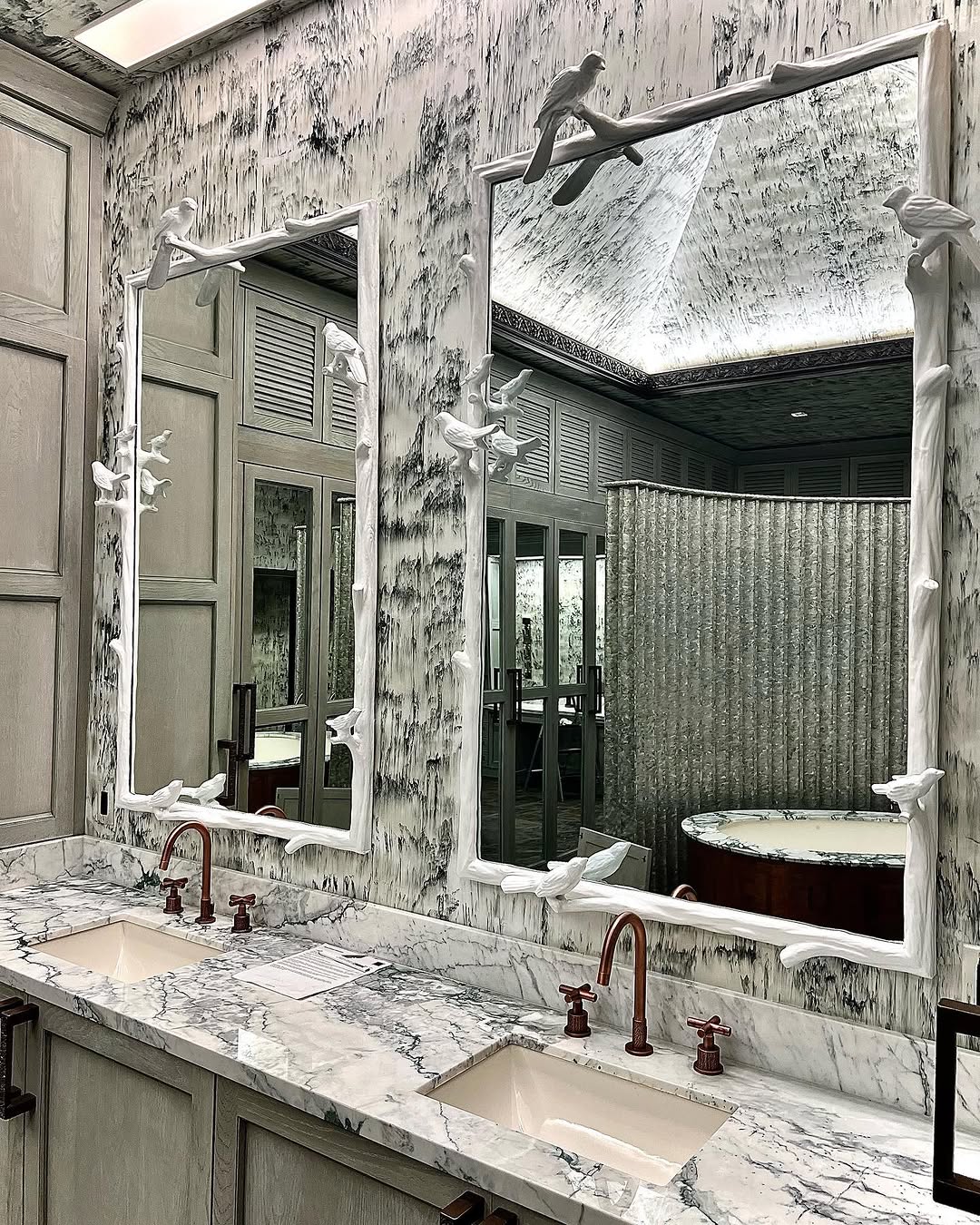
The right mirror setup can make or break your DIY haircut. Invest in multiple mirrors to view your hair from different angles. This setup ensures you catch every part of your head, preventing accidental uneven cuts.