Permanent Hair Straightening: Everything You Need To Know
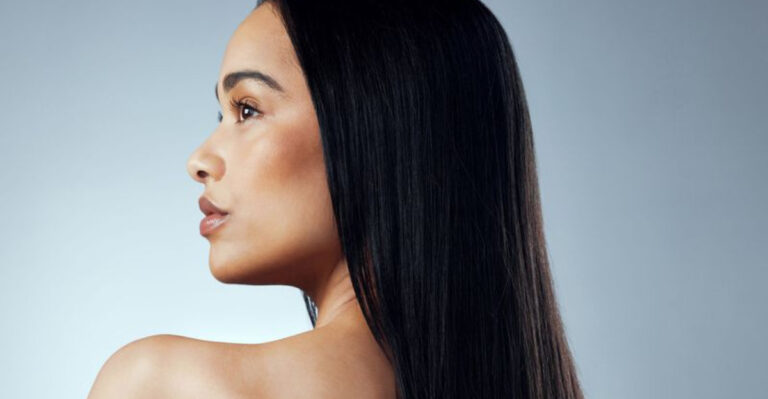
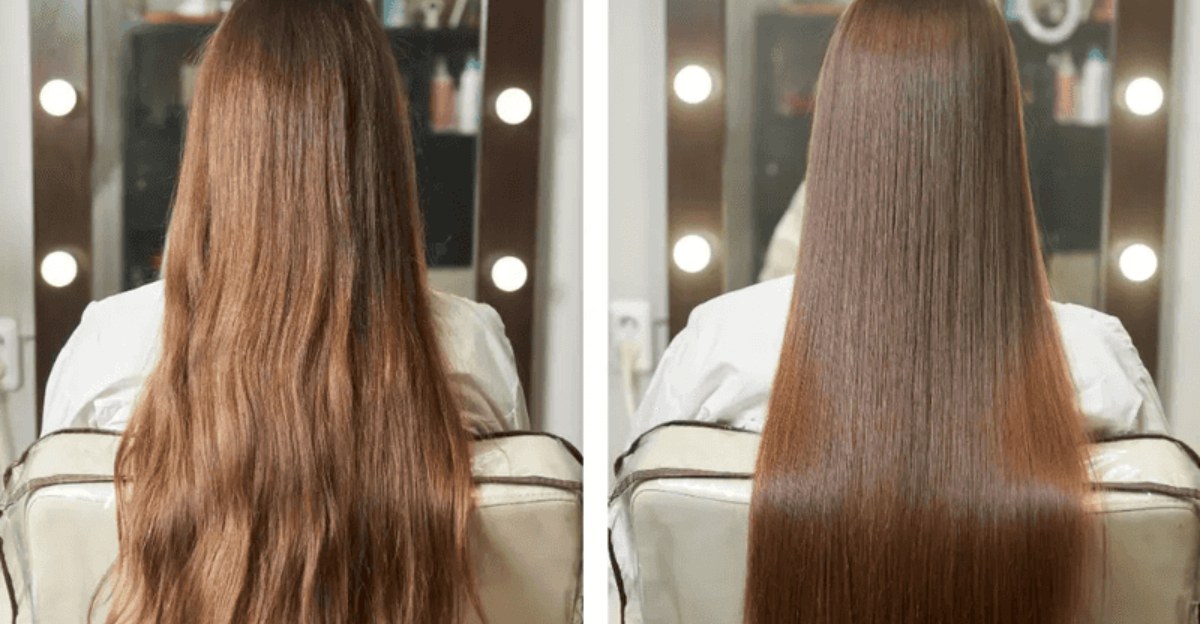
Thinking about changing your curls to sleek, straight locks? Permanent hair straightening can transform your look and simplify your daily routine. Before you book that salon appointment, there are some important facts you should know about this chemical process that alters your hair structure.
1. Chemical Magic Happens
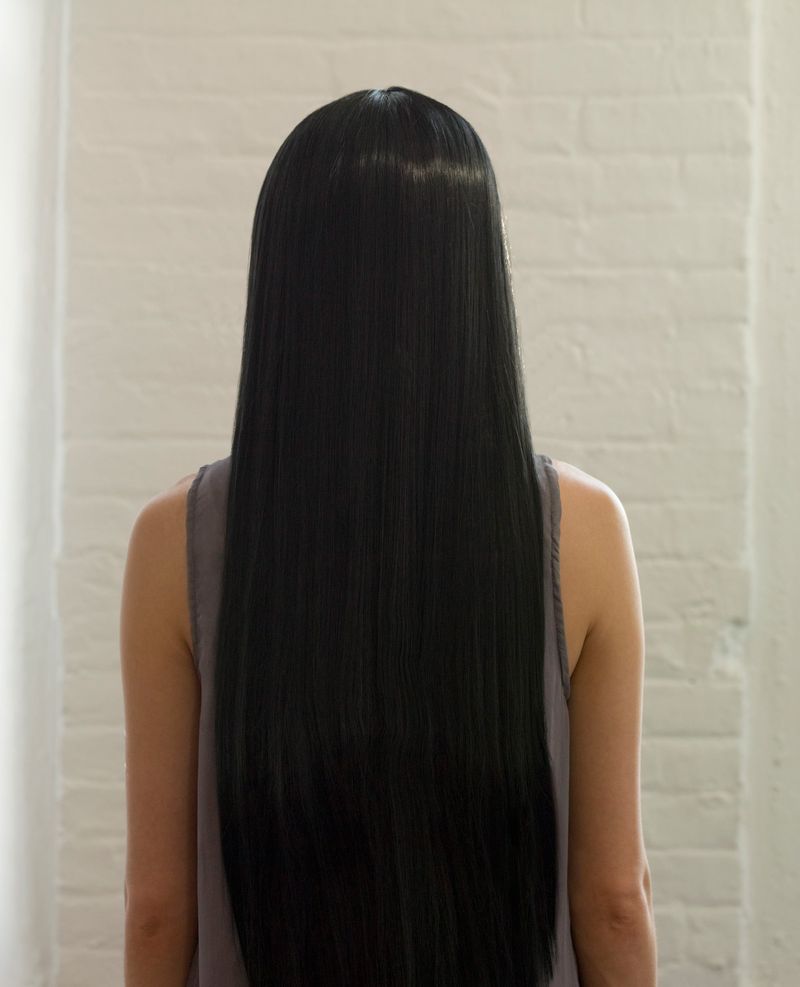
Your hair’s natural bonds get broken and reformed during permanent straightening. This structural change is why your curls disappear and don’t return when it rains or gets humid.
2. Not Actually ‘Permanent’
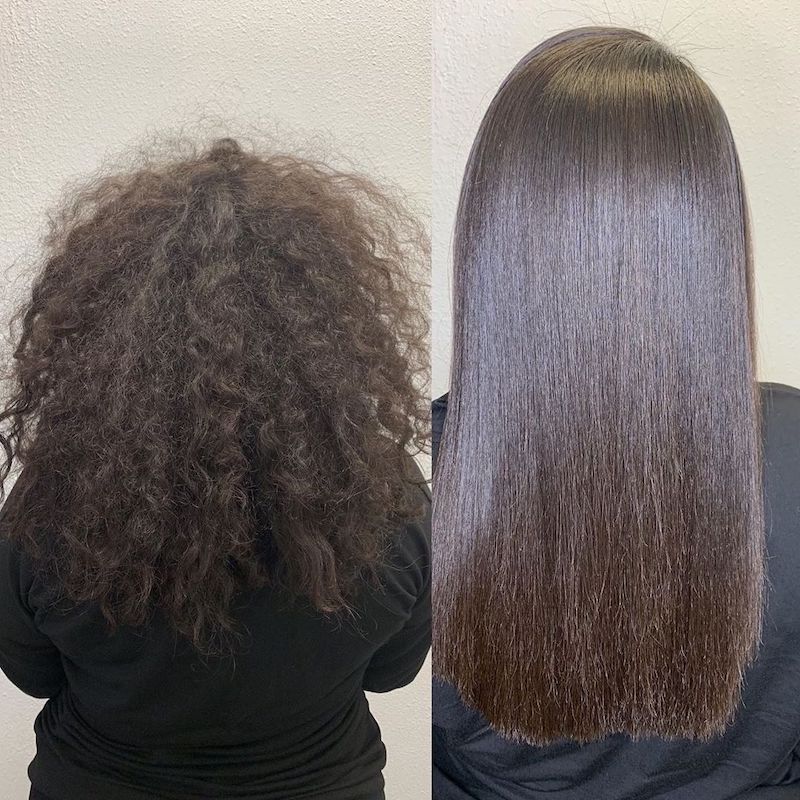
Despite the name, these treatments last 4-6 months typically. New hair growth comes in with your natural texture, creating that telltale line of demarcation between treated and untreated hair.
En rapport : -7 Straight-Hair Problems No One Talks About And 8 Easy Fixes That Shine
3. Types Galore
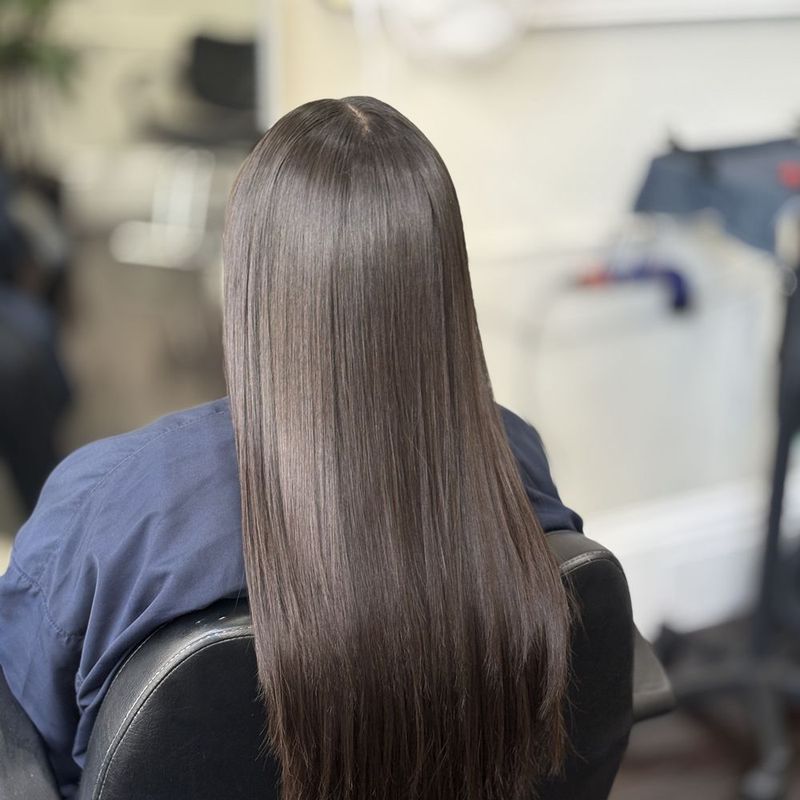
Japanese straightening, Brazilian blowouts, keratin treatments—oh my! Each system uses different chemicals and produces varying results. Research thoroughly to find which matches your hair needs and desired outcome.
4. Budget Buster Alert
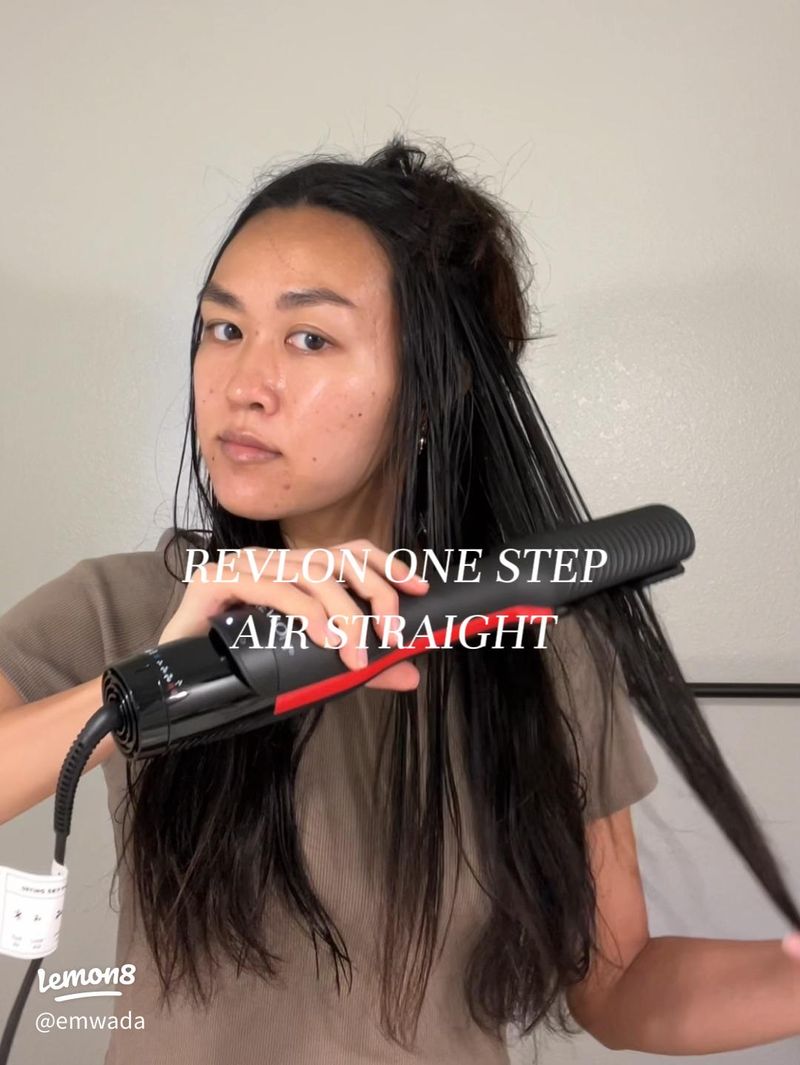
Wallet feeling heavy? Not for long! Professional straightening treatments run $300-800 depending on hair length and thickness. Maintenance sessions add up too, making this a significant beauty investment.
5. Damage Is Inevitable
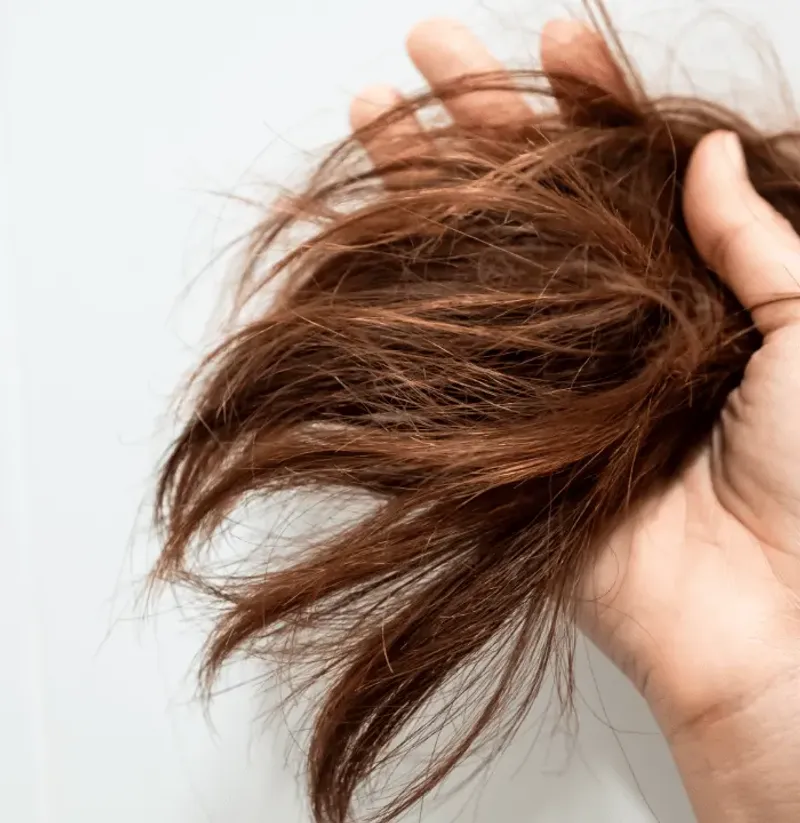
Harsh truth: chemicals strong enough to permanently alter hair structure cause damage. Expect some level of dryness, brittleness, or breakage even with the gentlest formulations and skilled technicians.
6. Pre-Treatment Prep Matters

Skip washing your hair 2-3 days before your appointment. Natural oils protect your scalp from chemical irritation. Also avoid scratching or brushing too vigorously to prevent tiny scalp abrasions.
7. Technician Skills Are Everything
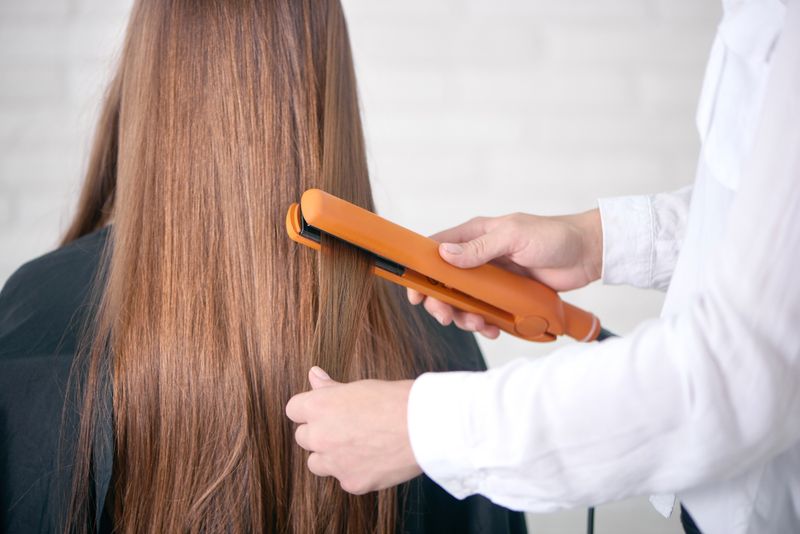
A botched job can mean fried, breaking hair or underwhelming results. Research salons, read reviews, and check portfolios. Great straightening requires expertise with your specific hair type and texture.
8. Time Commitment Is Serious
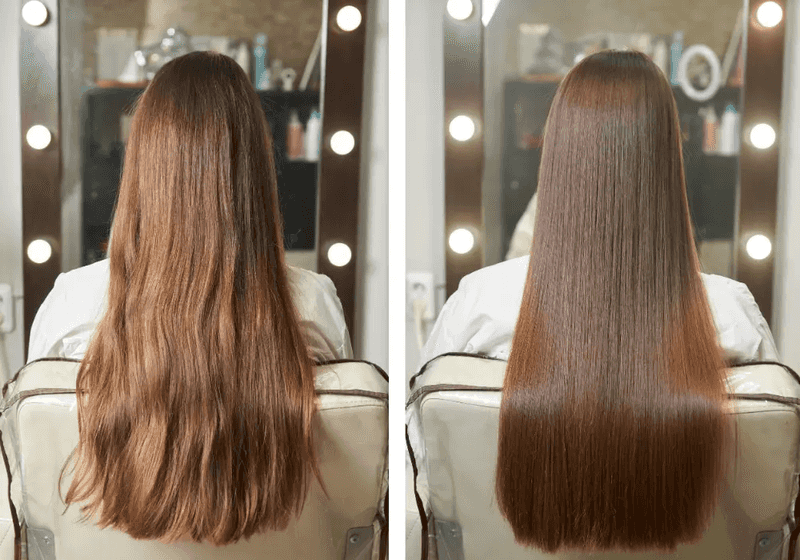
Clear your schedule! Most treatments take 3-5 hours from start to finish. The chemicals need proper processing time, plus there’s application, rinsing, drying, and final straightening with hot tools.
9. Post-Treatment Rules Exist
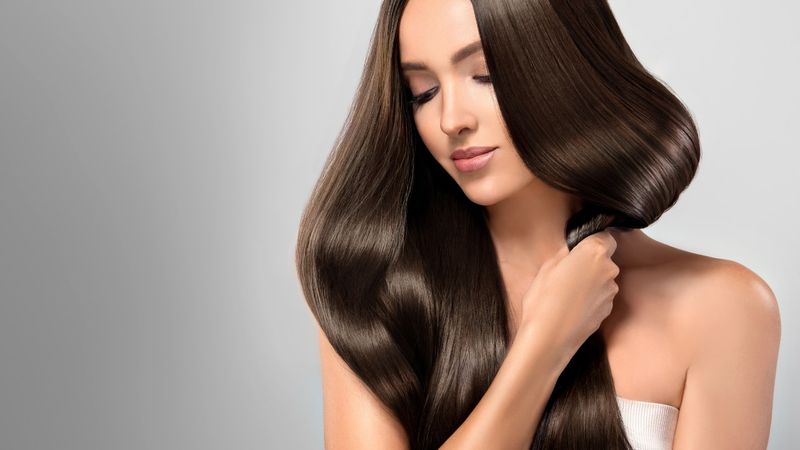
No washing, ponytails, clips, or tucking behind ears for up to 72 hours after some treatments. These restrictions protect your fresh results and prevent unwanted kinks or bends from forming.
10. Special Products Required
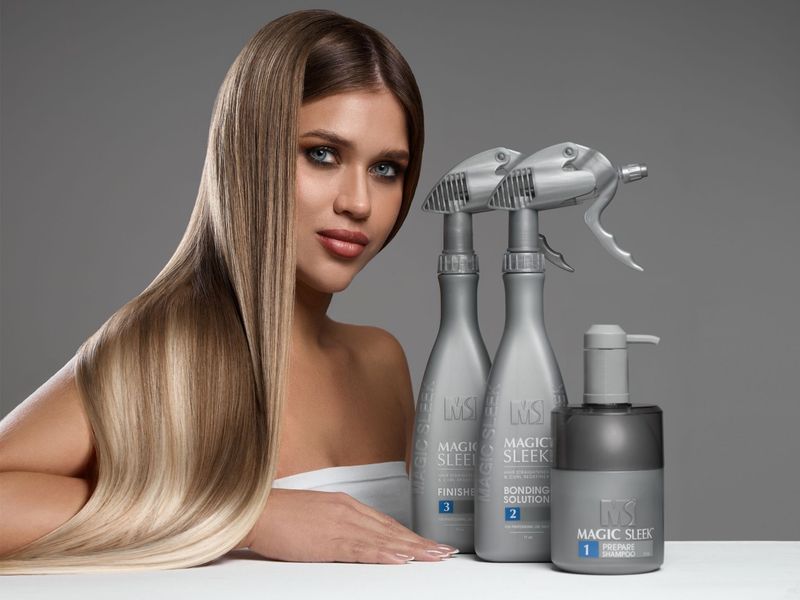
Regular shampoo won’t cut it anymore. Sulfate-free, sodium chloride-free products designed for chemically treated hair maintain your results longer. Expect to revamp your entire hair care routine.
11. Color Complications Can Occur
Planning to color and straighten? Timing matters! Multiple chemical processes stress your strands. Most stylists recommend waiting 2 weeks between treatments or using gentler options for compromised hair.
12. Health Warnings Apply
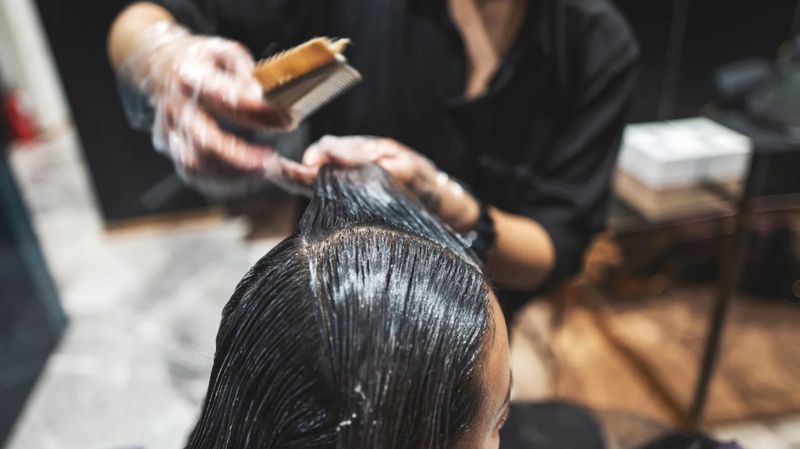
Pregnant? Have scalp conditions? Taking certain medications? You might need to postpone your straightening plans. These chemicals can irritate sensitive skin or interact with other substances in unexpected ways.
13. Formaldehyde Controversy Exists
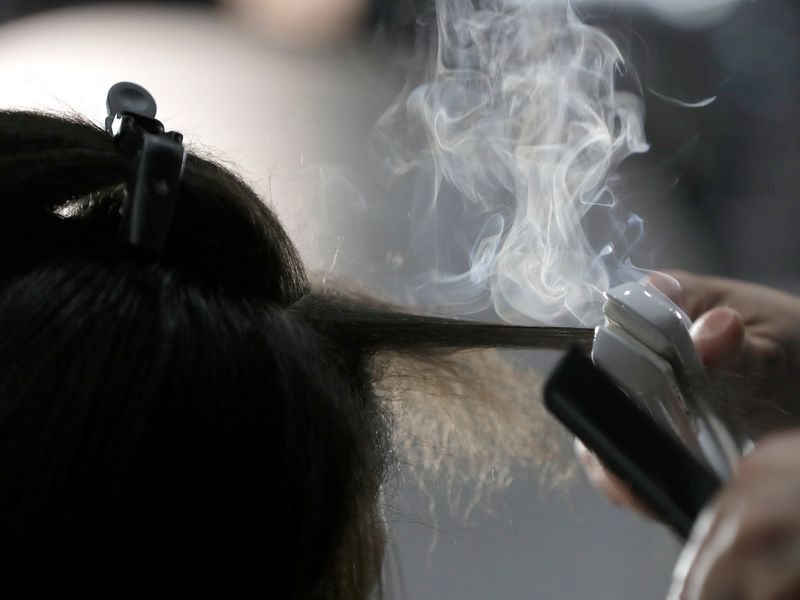
Some straightening formulas contain or release formaldehyde—a known carcinogen. Salons should have proper ventilation, and you can request formaldehyde-free alternatives if you’re concerned about chemical exposure.
14. Swimming Requires Caution
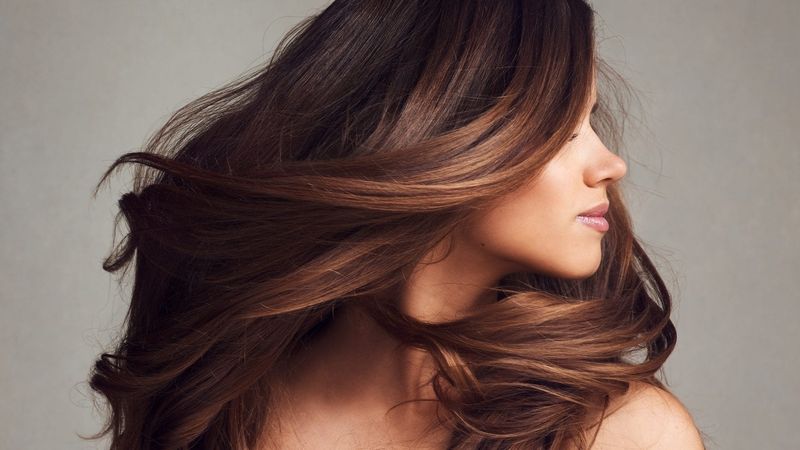
Chlorine and salt water are straightened hair’s enemies. They strip protective products and can reverse certain treatments. Wear a swim cap or apply leave-in conditioner before taking the plunge.
15. Heat Styling Changes
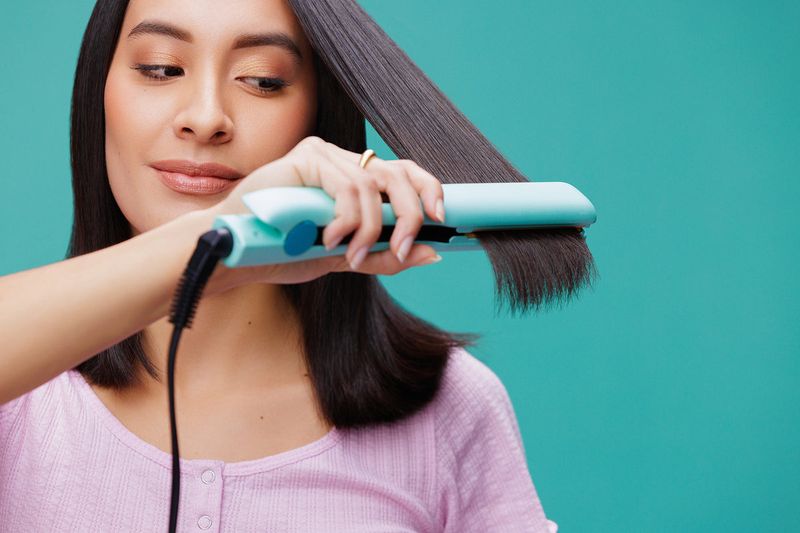
Good news: you’ll need fewer hot tools post-treatment! Bad news: when you do use them, lower temperatures are mandatory. Straightened hair is more vulnerable to heat damage than natural hair.
16. Texture Transition Is Awkward
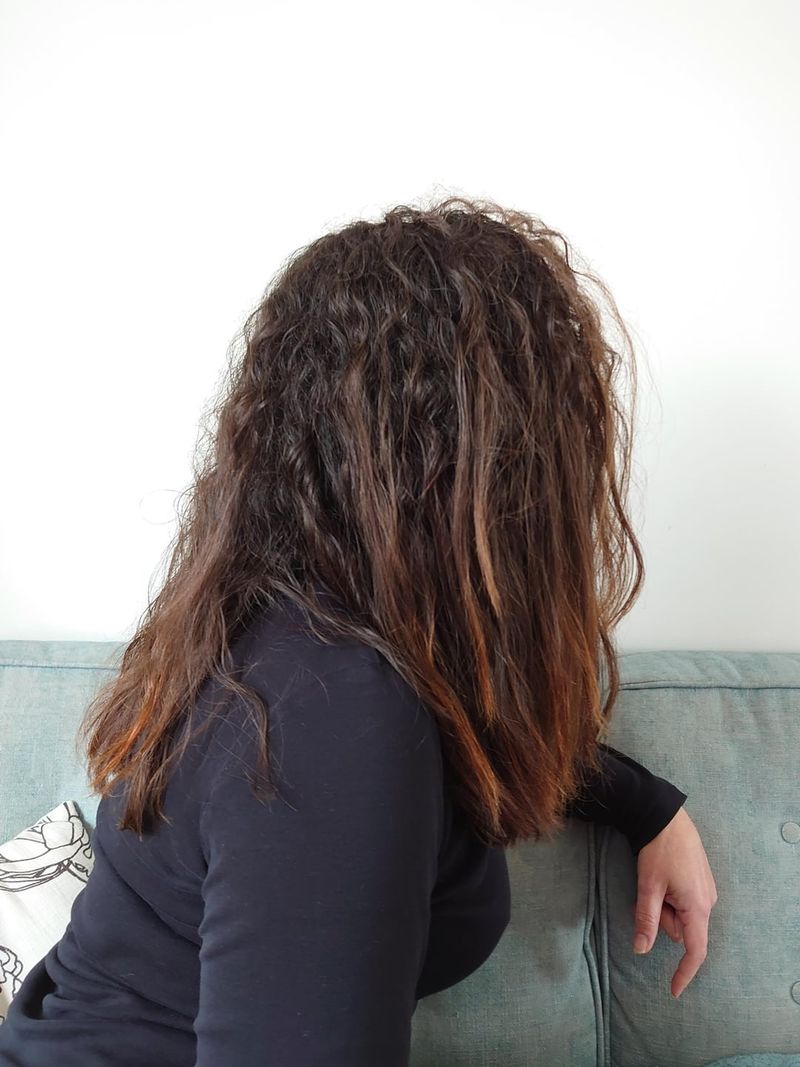
Growing out straightened hair means dealing with two different textures until you cut off the treated ends. Prepare for creative styling and possibly wearing more updos during this transitional phase.
17. Results Vary Widely
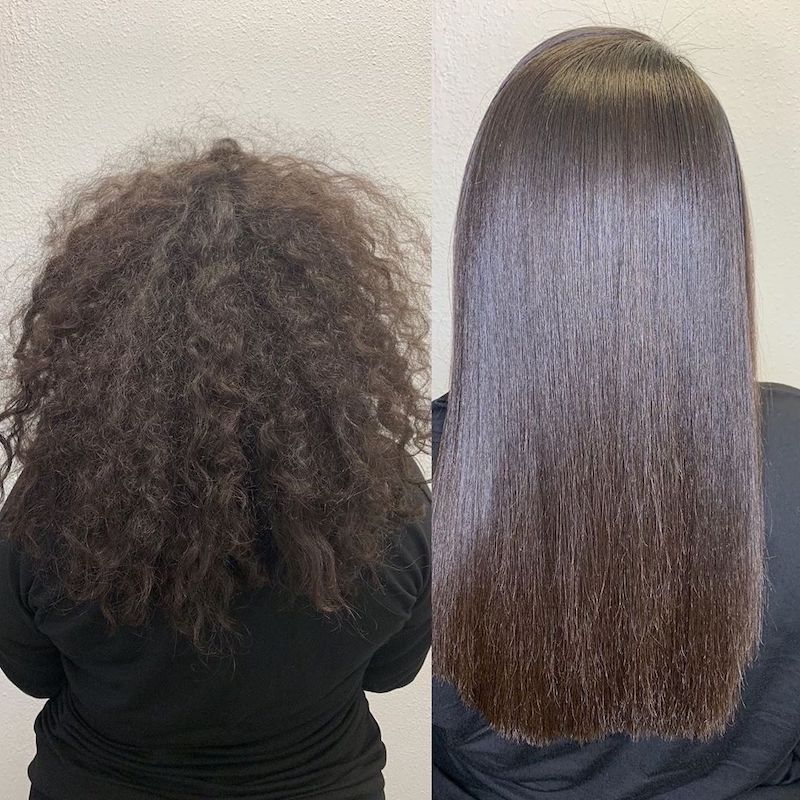
Vous vous attendiez à des cheveux bien raides, mais vous n'avez obtenu que des ondulations moins crépues ? Le type de cheveux, la porosité, les traitements précédents et les produits chimiques utilisés sont autant d'éléments qui influencent le résultat final. Gérez vos attentes en conséquence.
18. La résistance à l'humidité est étonnante
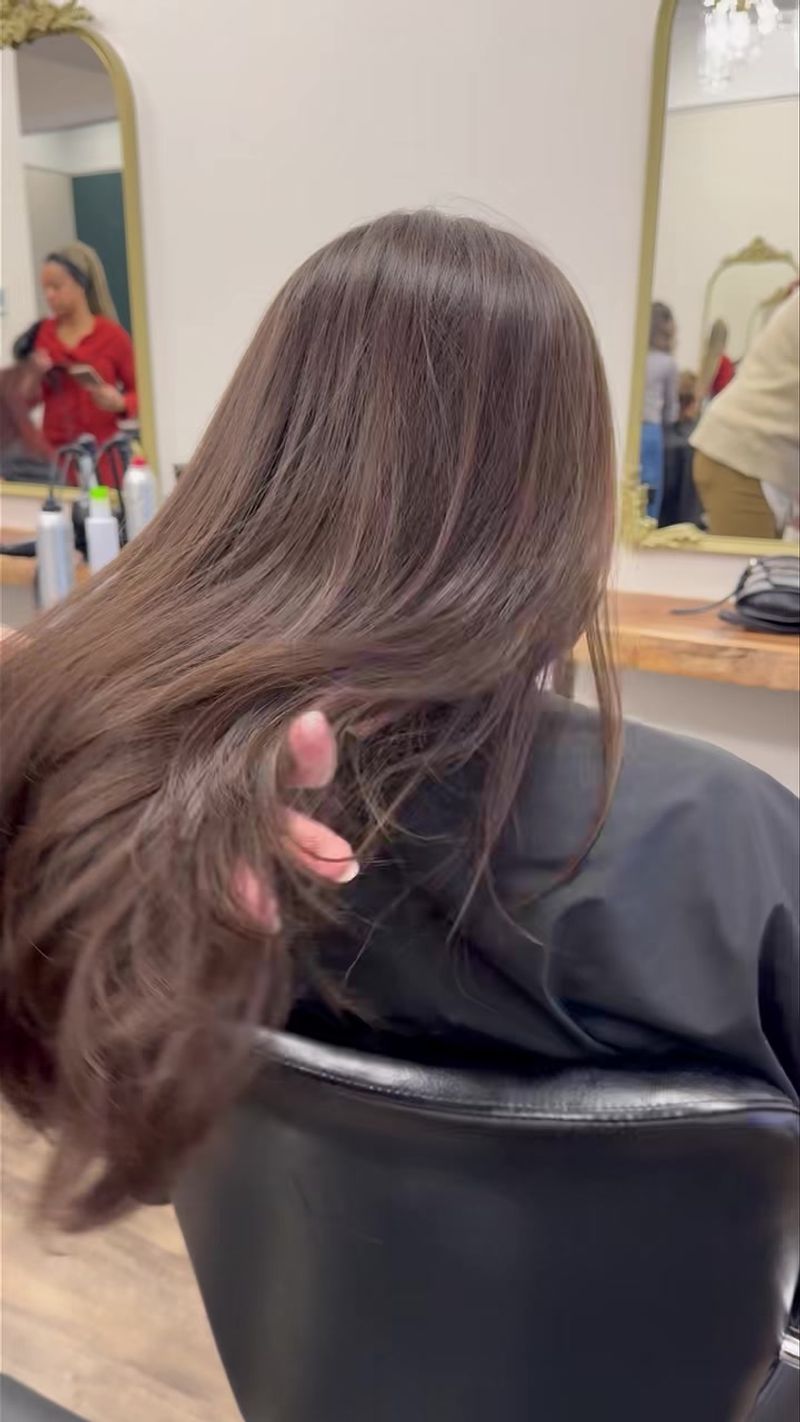
Que les anciennes adeptes des frisottis se réjouissent ! Le plus grand avantage du lissage permanent est de conserver une chevelure lisse quel que soit le temps. Fini le volume induit par l'humidité ou les boucles inattendues qui réapparaissent les jours de pluie.
19. La routine du matin se transforme
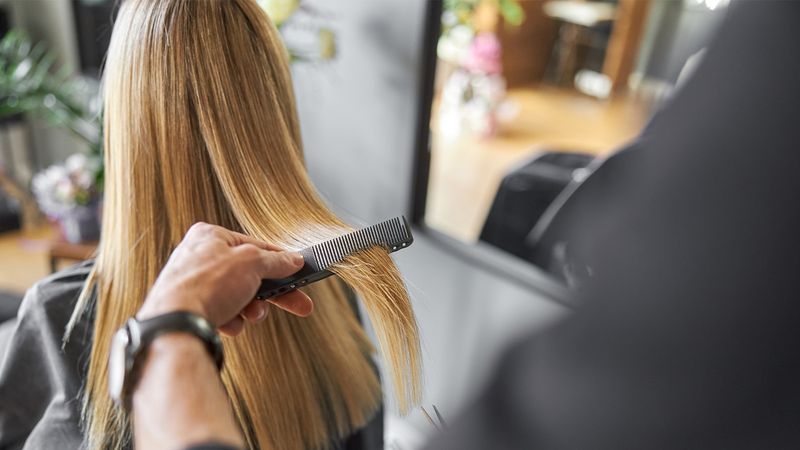
Imagine cutting your styling time from 45 minutes to 5! Many clients report this life-changing benefit. Simply wake up, brush, and go—with minimal touch-ups needed throughout the day.
20. L'inversion est presque impossible
Changed your mind? Unfortunately, there’s no magic “undo” button. You’ll need to either grow it out completely or cut off the treated portions. Consider a semi-permanent option if you’re commitment-phobic.