Nail Your Perfect Hair Color With These 20 Pro-Matching Secrets
Finding your ideal hair color isn’t just luck—it’s a science! Professional colorists use specific techniques to match shades to your unique features. With these insider secrets, you’ll discover how to choose colors that enhance your natural beauty and fit your lifestyle perfectly.
1. Skin Undertone Matters Most
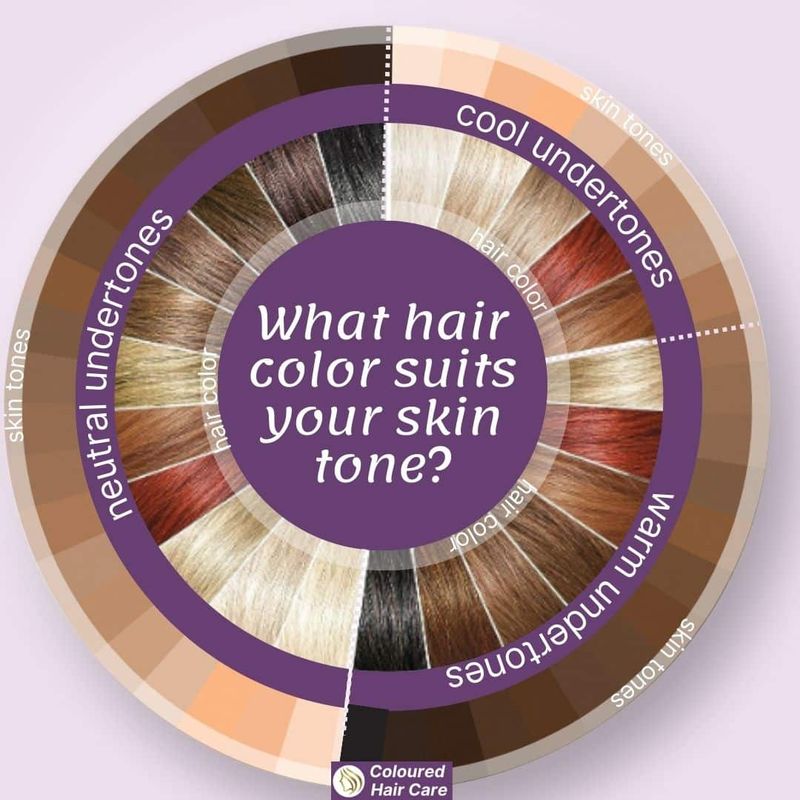
Your skin’s undertone guides your entire color journey. Warm undertones (golden, yellow) pair beautifully with honey blondes and auburn reds. Cool undertones (pink, blue) shine with ash browns and platinum blondes.
2. Eye Color Enhancement Tricks
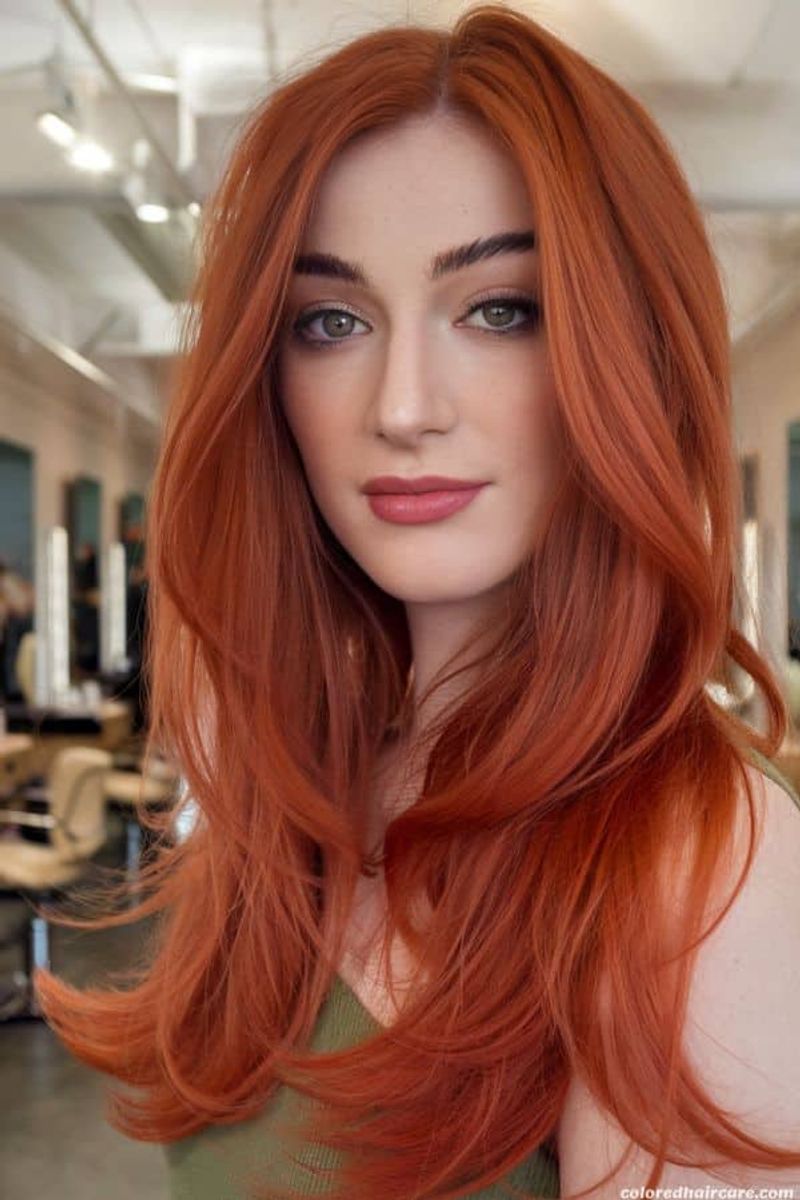
Green eyes pop dramatically against copper or burgundy shades. Brown eyes gain depth from caramel highlights. Blue eyes sparkle next to butterscotch blonde or rich chocolate brown tones.
Correlato: -21 Stunning Ways to Rock Gray Hair After Ditching the Dye
3. Seasonal Color Theory
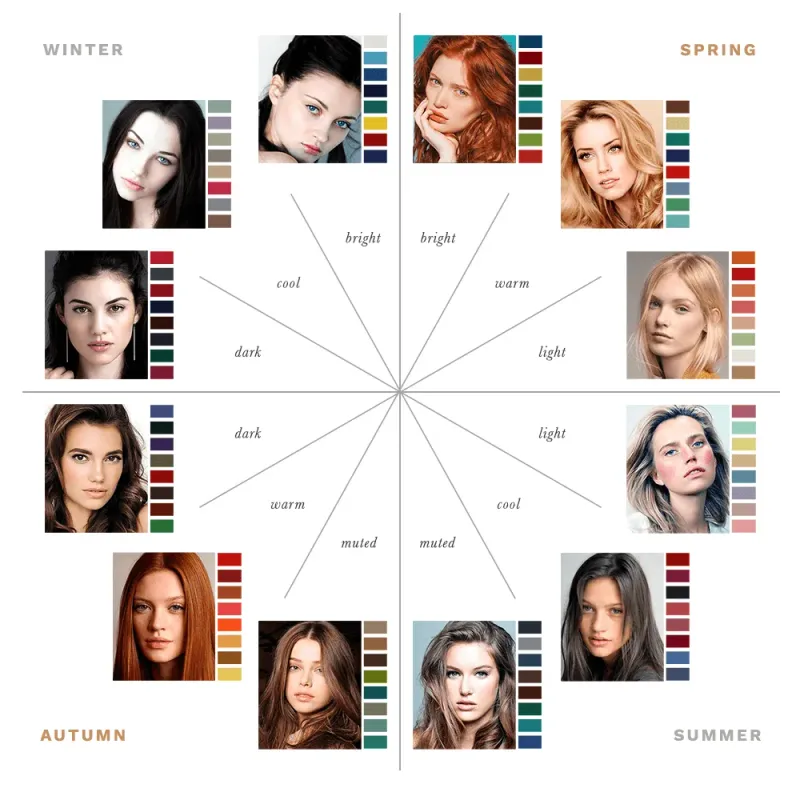
Summer and winter types have cool undertones—choose ash, platinum, or blue-blacks. Spring and autumn types radiate with warm colors like golden blonde, copper, or chestnut brown.
4. Face-Framing Dimension
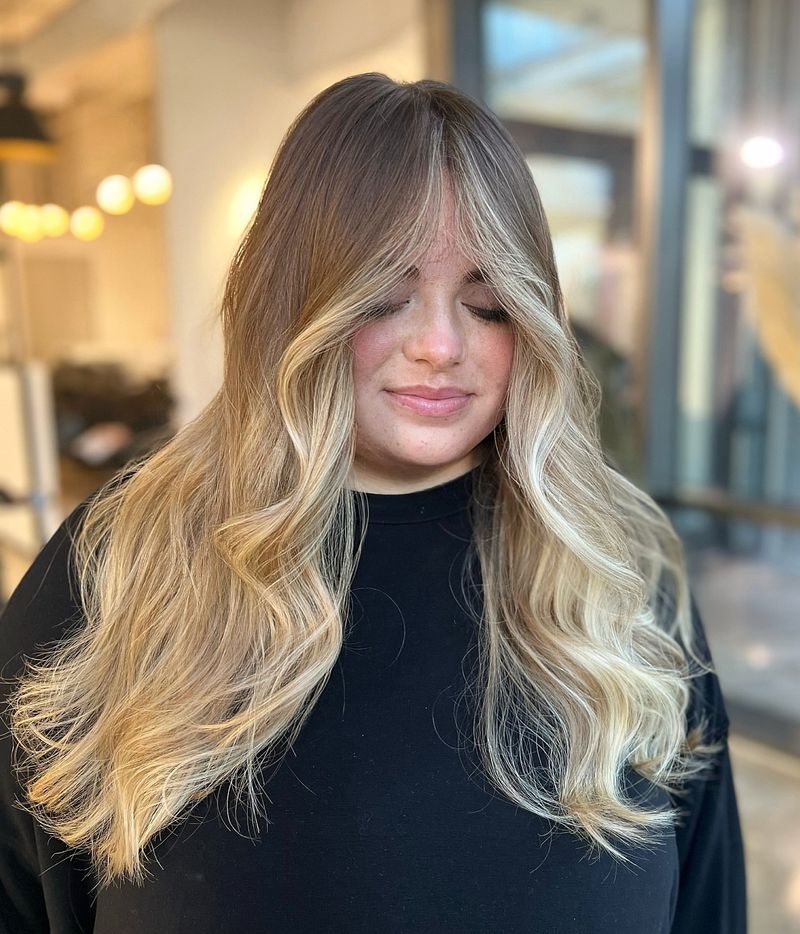
Strategic highlights around your face create an instant glow effect. Place lighter pieces precisely where sunlight would naturally hit—temples, hairline, and cheekbones—for that sun-kissed, dimensional look.
5. Root Shadow Technique
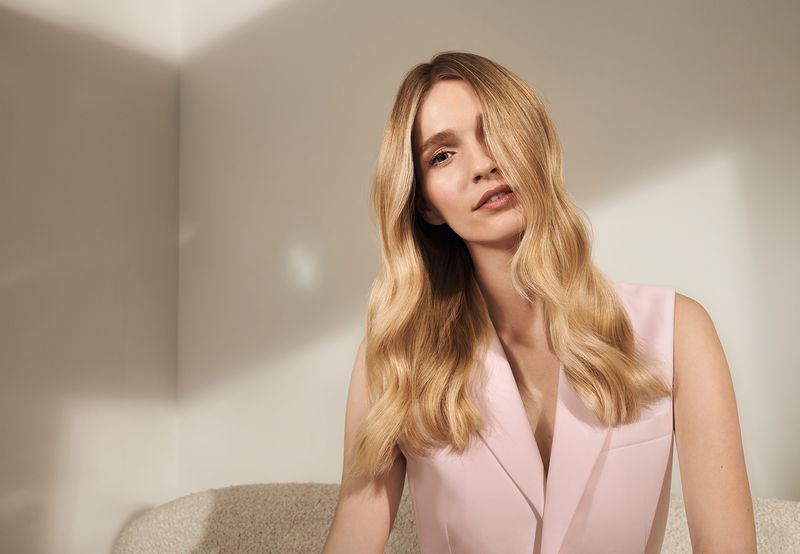
Leaving roots slightly darker than the rest creates natural-looking dimension. This smart approach extends time between salon visits, saving both money and hair health in the long run.
6. Gray Coverage Guidelines
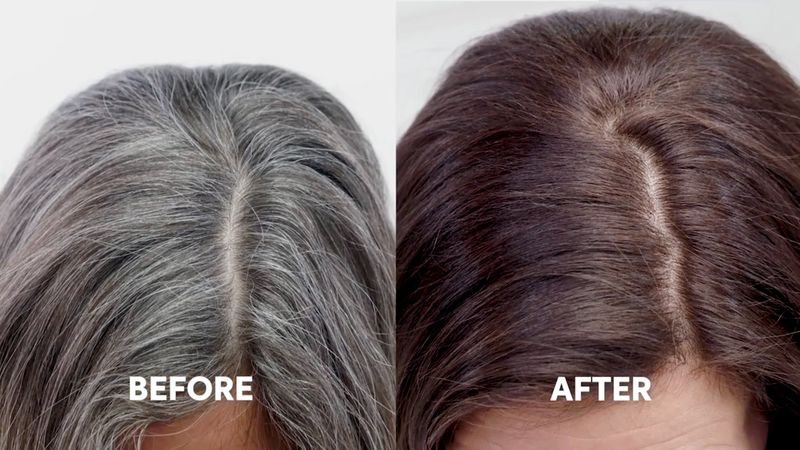
Resistant gray hair needs special formulations. For stubborn grays, lowlights rather than all-over color create dimension while ensuring complete coverage. Ask for demi-permanent options for gentler processing.
7. Color Correction Expectations
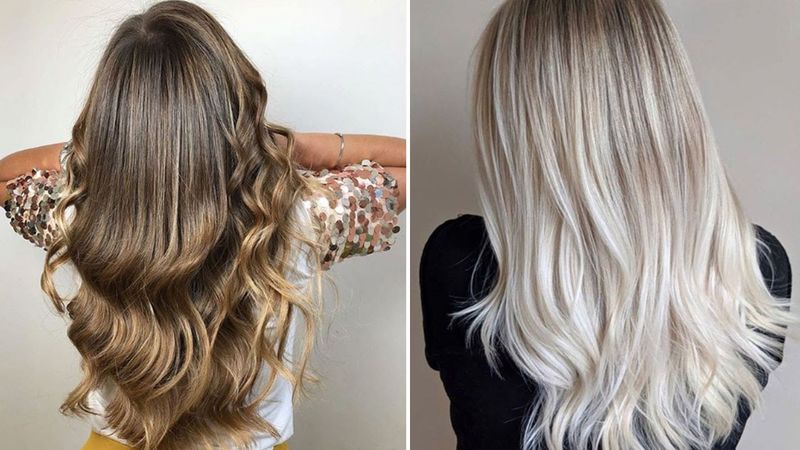
Dramatic color changes rarely happen in one session. Box-dye to blonde typically requires 2-3 appointments spaced weeks apart. Setting realistic expectations prevents disappointment and protects hair integrity.
8. Maintenance Reality Check
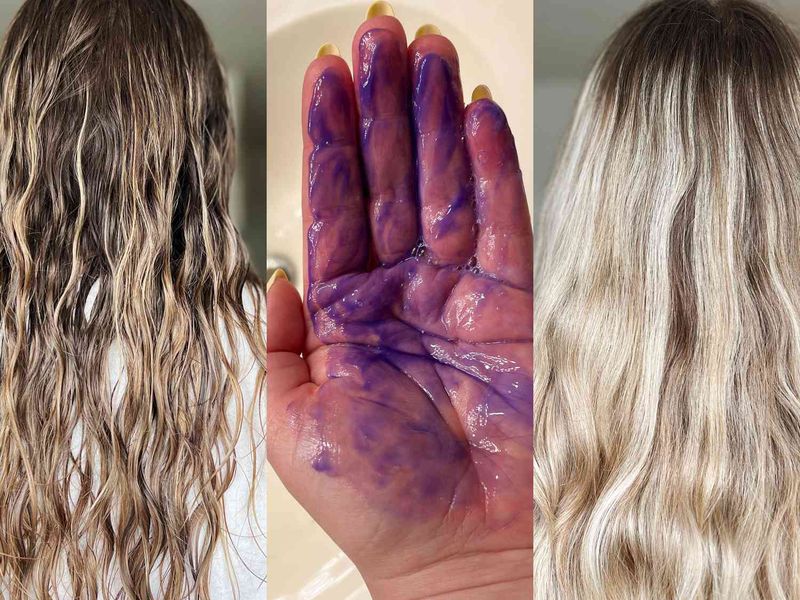
Vibrant reds need weekly color-depositing conditioners. Platinum requires purple shampoo and monthly toning. Consider your lifestyle and budget before committing to high-maintenance shades.
9. Balayage Vs. Traditional Highlights
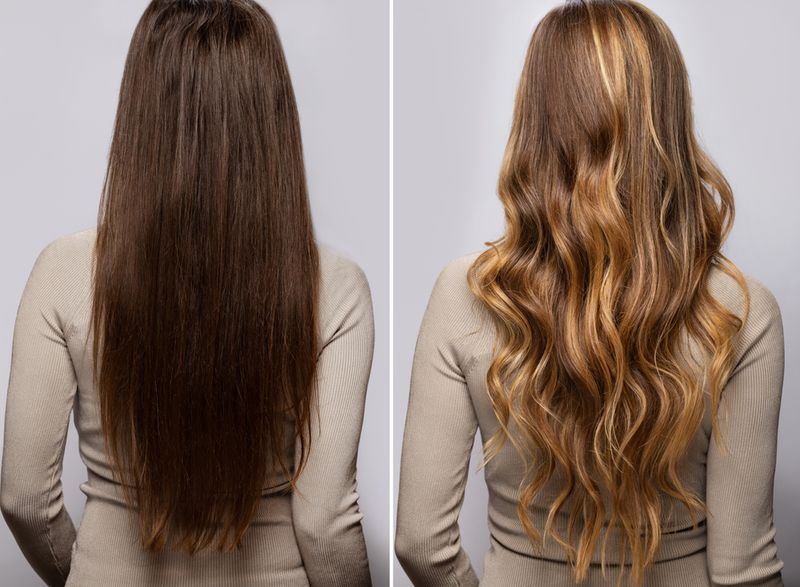
Balayage creates softer, more natural regrowth patterns than foiled highlights. Hand-painted color grows out gracefully, requiring touch-ups every 3-4 months instead of the typical 6-week highlight schedule.
10. Hair Health Assessment
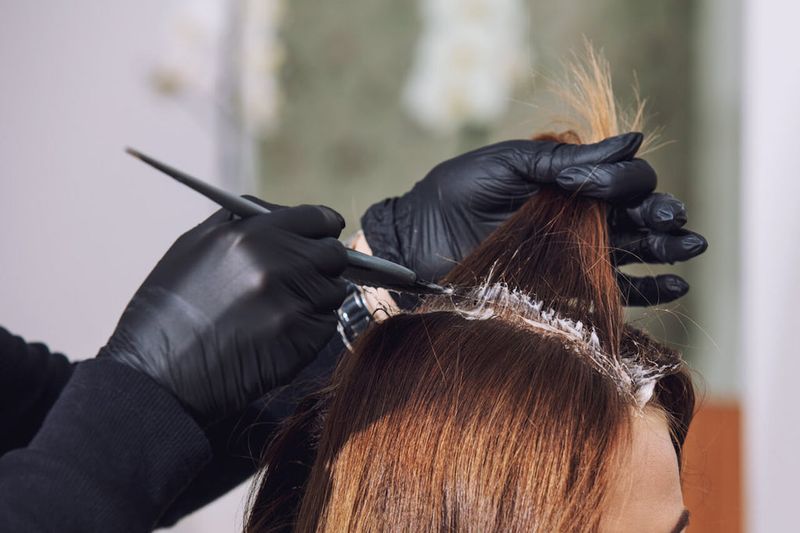
Damaged hair processes color differently. Perform a strand test before coloring previously lightened or chemically treated hair. Olaplex or protein treatments beforehand can prevent unexpected results.
11. Lighting Consideration
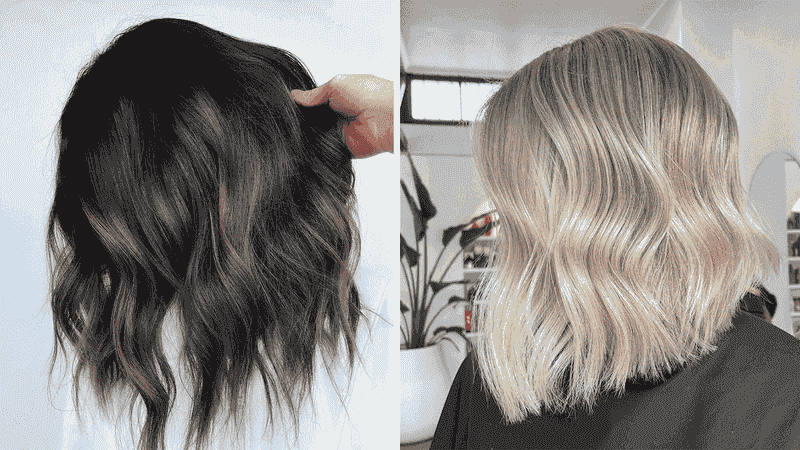
Colors appear different under various lighting conditions. Check your potential shade in natural daylight, office fluorescents, and evening lighting. Bring photos taken in different settings to your consultation.
12. Professional Color Vocabulary
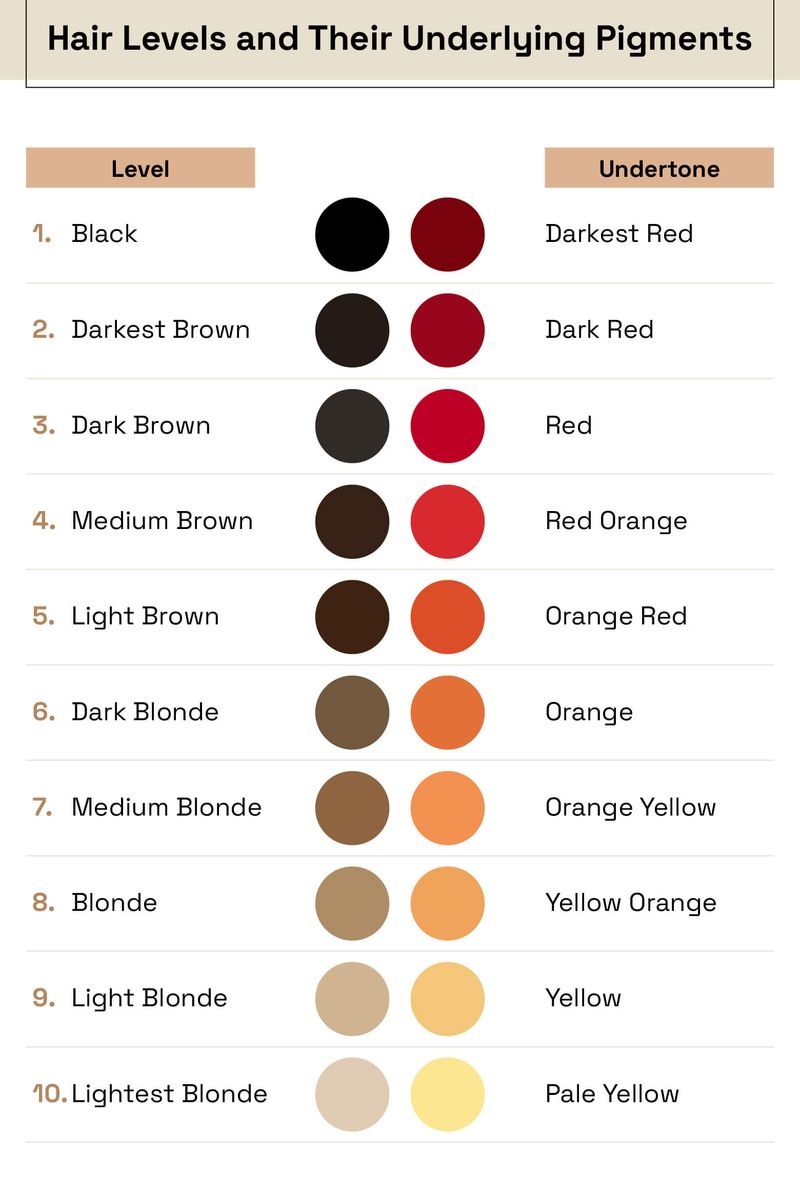
Learn key terms before your appointment. “Dimension” means multiple tones. “Warmth” indicates golden/red undertones. “Ash” means cool, blue-based shades. Speaking your colorist’s language prevents misunderstandings.
13. Lifestyle-Based Selection
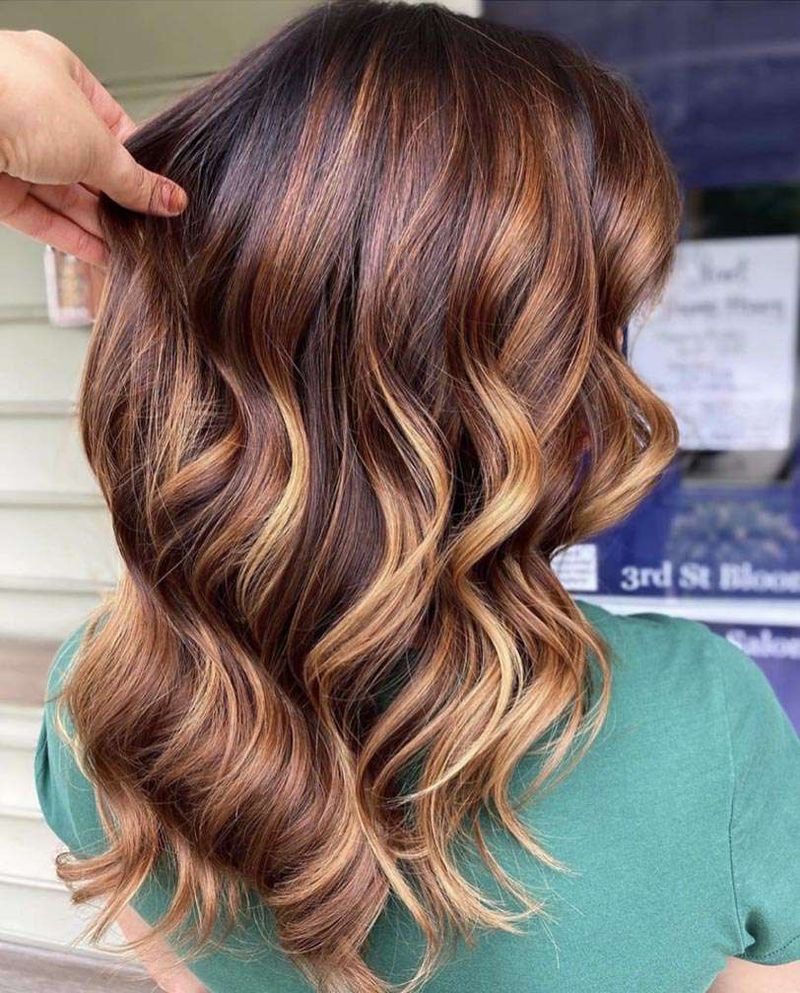
Swimming regularly? Avoid copper tones that turn green. Working from home? Low-maintenance balayage might be perfect. Your daily routine should influence your color choice as much as your complexion.
14. Porosity Testing
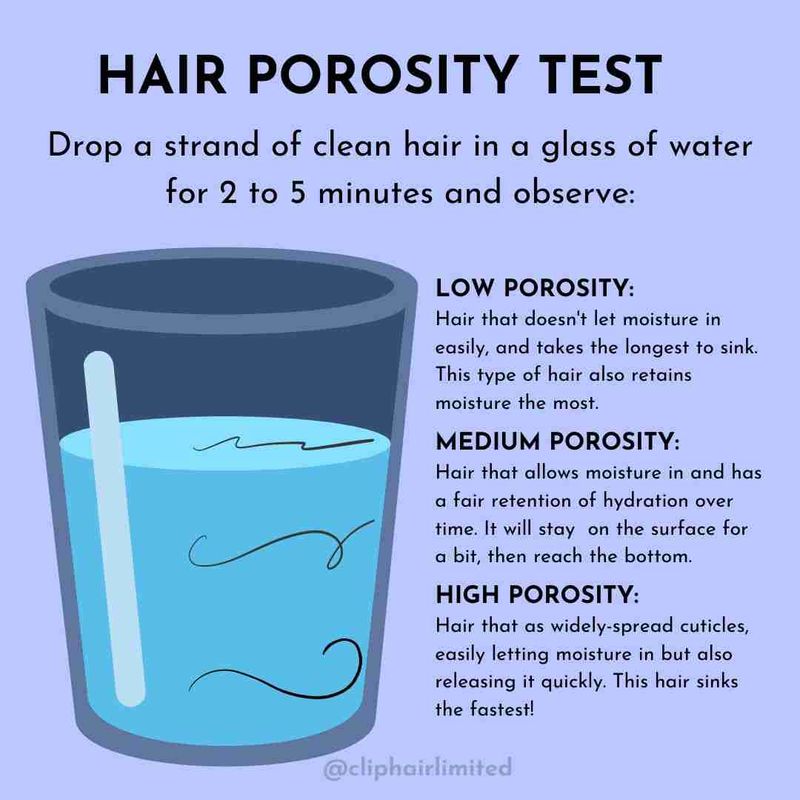
Hair porosity affects how color absorbs. Drop a strand in water—floating means low porosity, sinking indicates high porosity. Highly porous hair needs gentler formulas to prevent over-processing.
15. Gloss Vs. Permanent Color
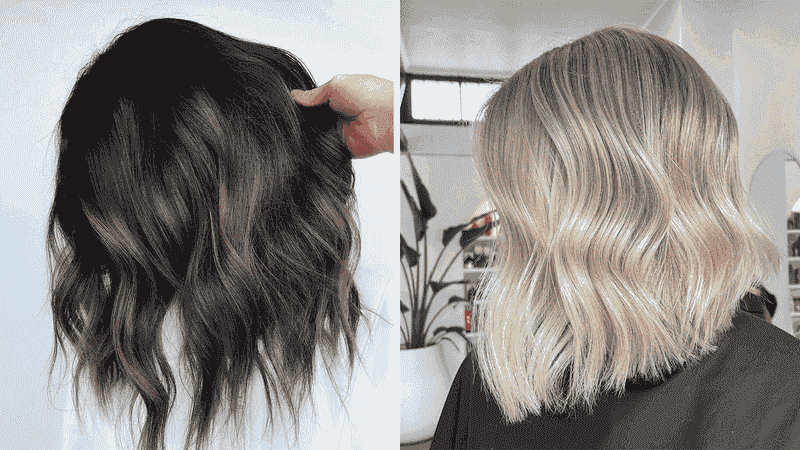
Glosses add shine and subtle tone without commitment. Perfect for first-timers or between permanent services. They fade gradually rather than creating harsh regrowth lines, maintaining dimensional color.
16. Virtual Try-On Technology
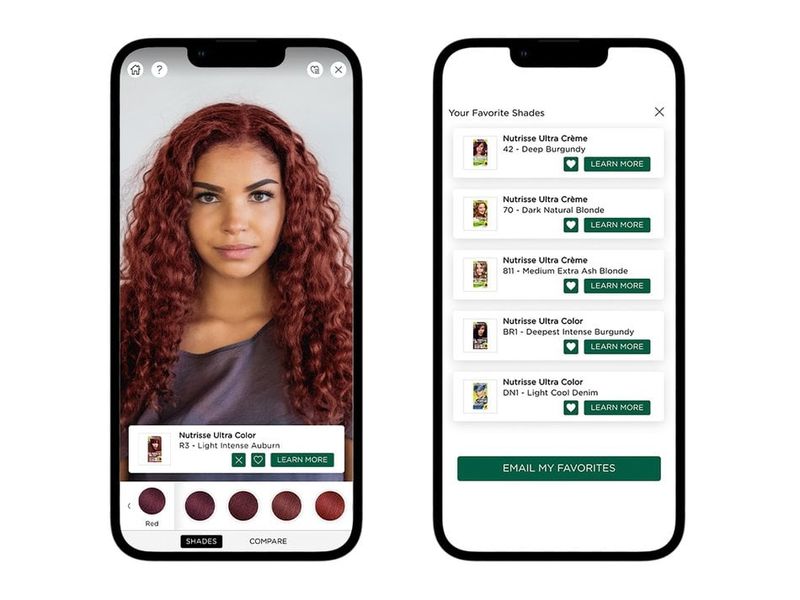
Many salons offer color simulation apps. These tools provide realistic previews before commitment. While not perfect, they help narrow down options and visualize potential results before your appointment.
17. Age-Appropriate Adjustments
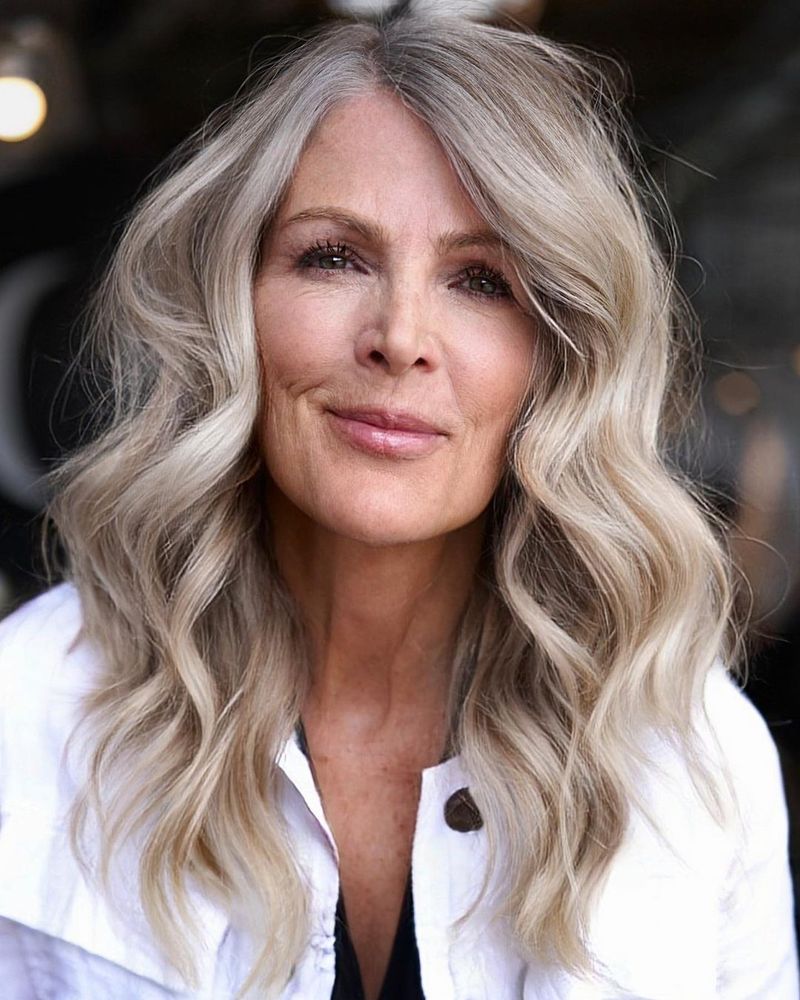
Skin tone changes with age. Soften your color approach over time—harsh black can emphasize lines while warm honey tones add youthful glow. Subtle highlights around the face brighten mature complexions.
18. Contrasting Depth Technique
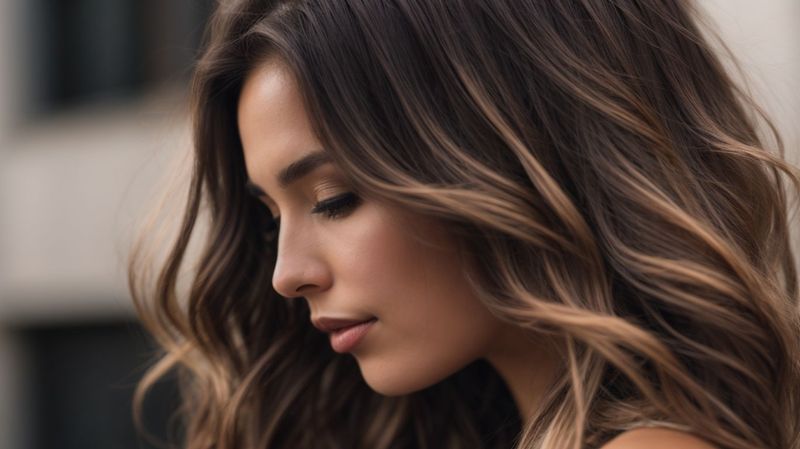
Create dimension without dramatic color shifts. Vary depth by just 1-2 levels instead of changing tone completely. This subtle approach delivers natural-looking results while maintaining your signature shade.
19. Makeup Palette Coordination
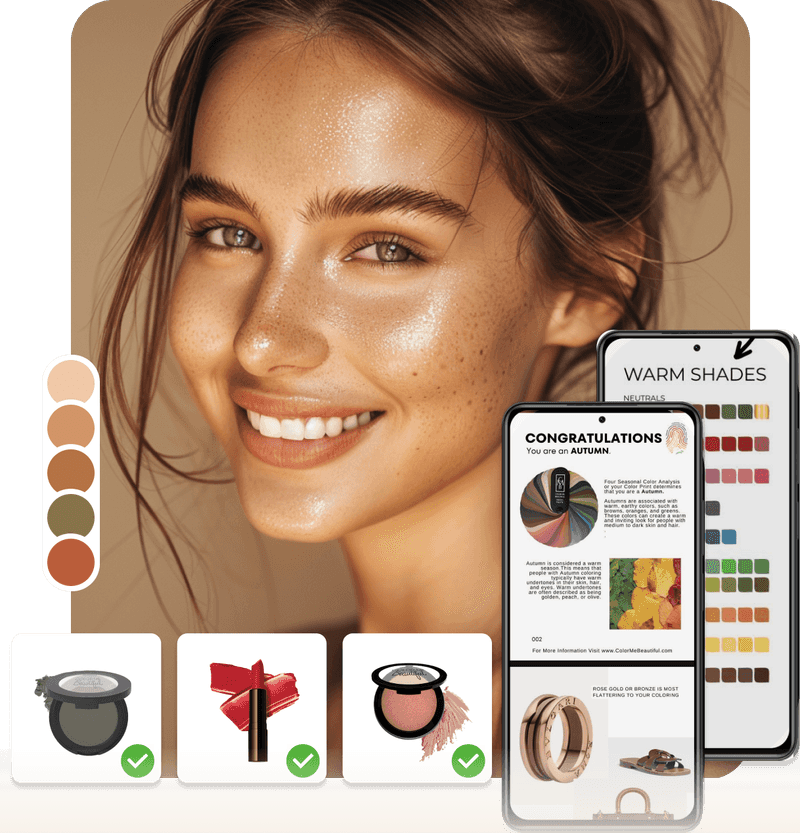
Your everyday makeup colors should complement your hair choice. Warm-toned hair pairs with peach/coral makeup. Cool-toned hair harmonizes with pink/mauve shades. Bring your daily products to consultations.
20. Photo Reference Guidelines
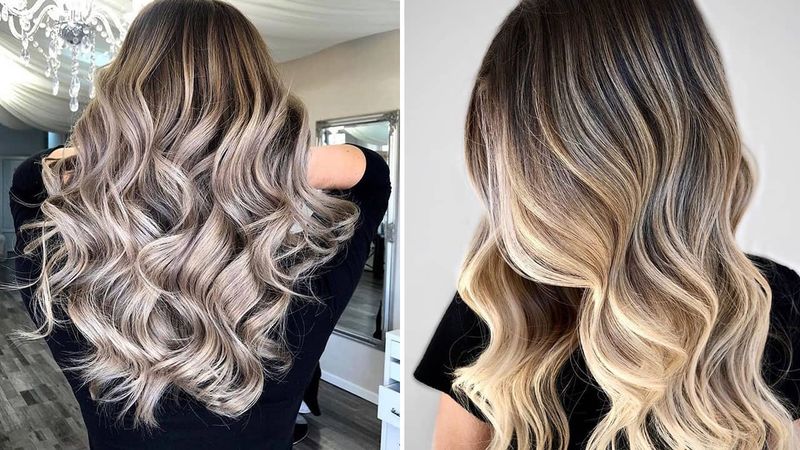
Bring multiple inspiration photos, not just one. Identify specific elements you love in each—tone, placement, dimension. Remember that filters and lighting affect how colors appear in social media images.