43 Cringe-Worthy Hairstyles From The Past Decades That Should Stay In The Past
Hairstyles can be a reflection of the times, but not all trends stand the test of time. Get ready for a nostalgic trip down memory lane, filled with styles that might make you laugh, shake your head, or even cringe!
1. Beehive
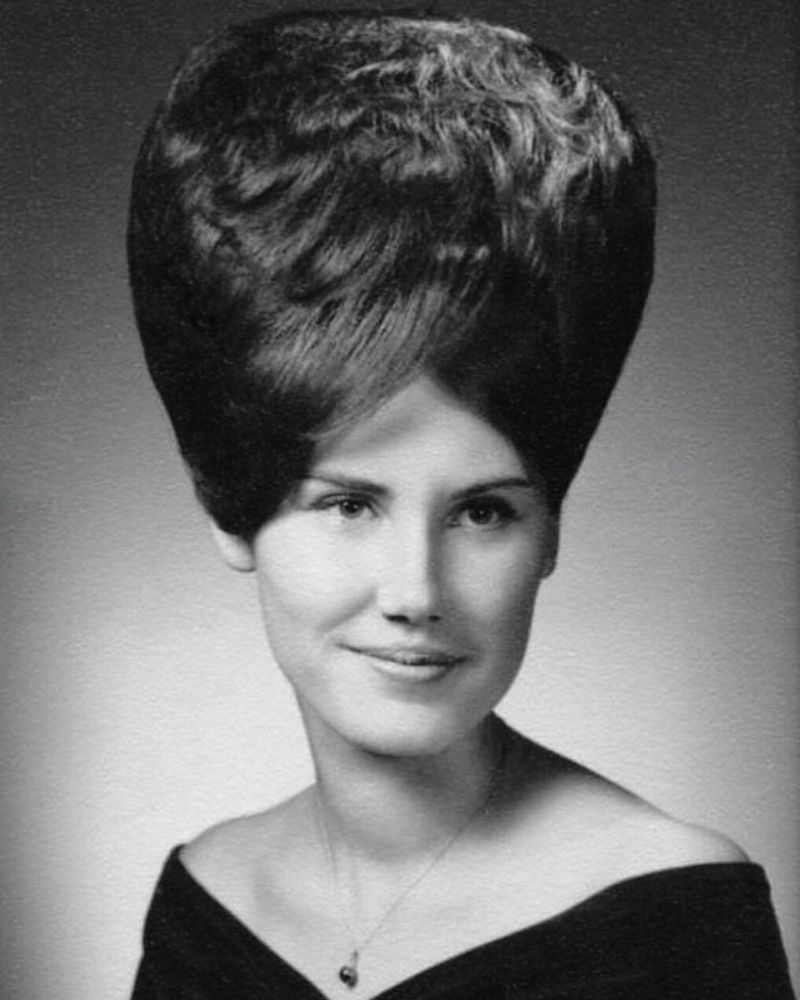
The beehive was all about height and drama. Women in the 60s embraced this look, teasing and spraying their hair to gravity-defying heights.
2. Mullet
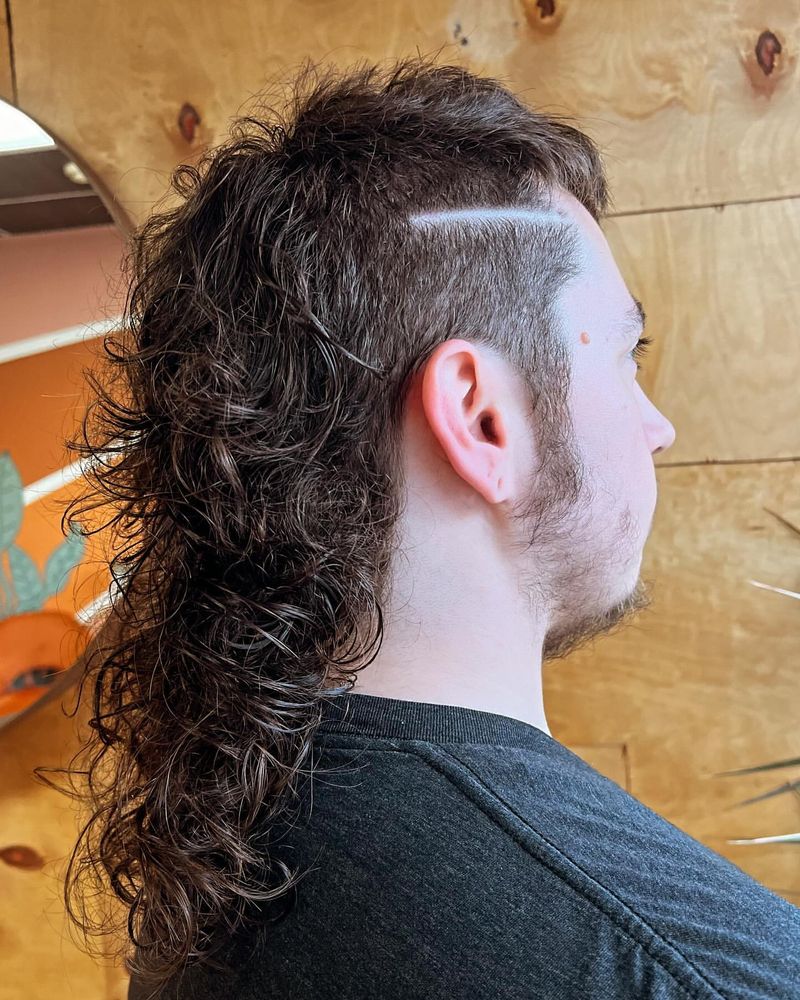
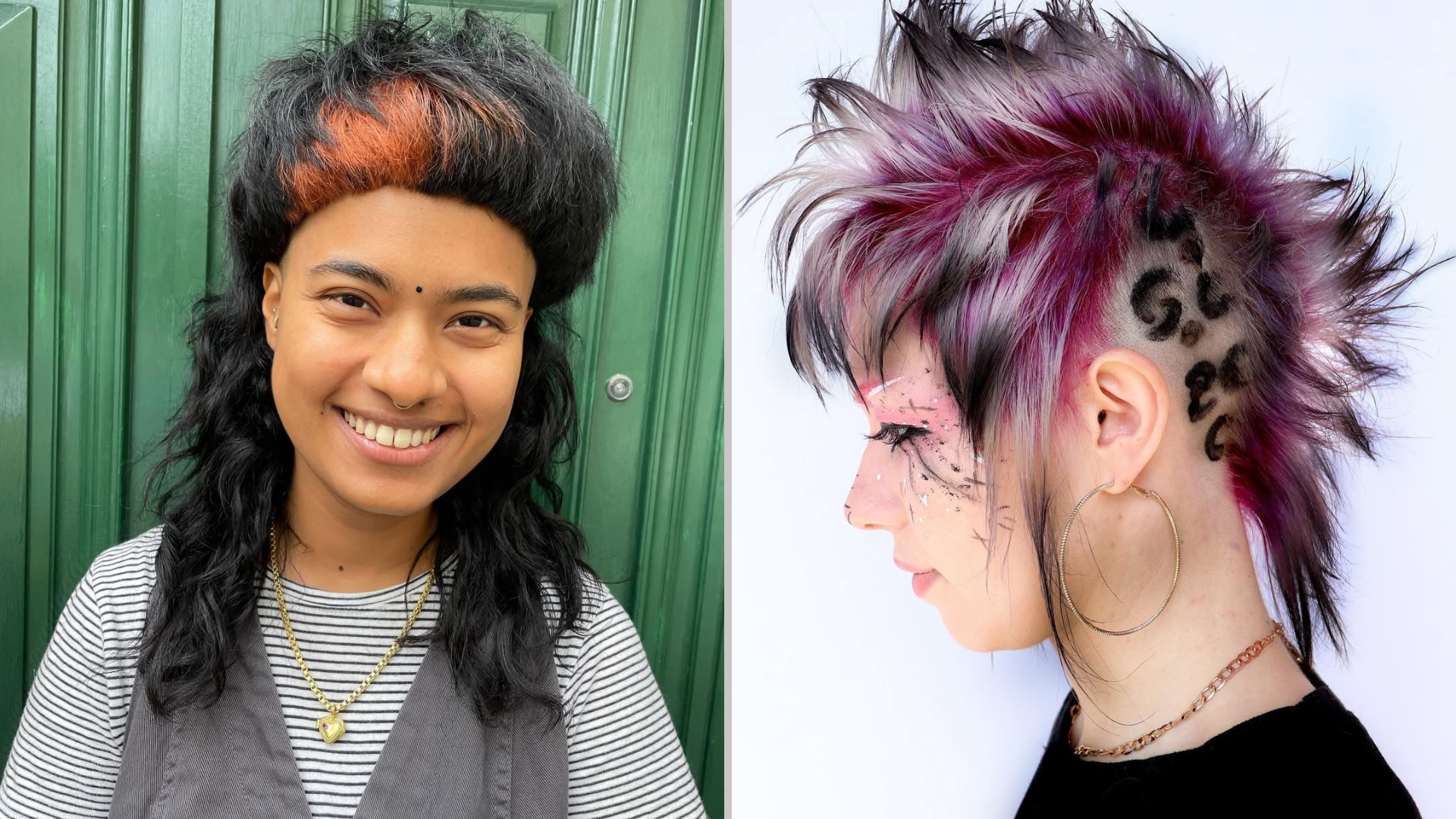
The mullet: business in the front and party in the back. Popularized in the 80s, this hairstyle was a rebellion against conventional styles.
Related: -Thinking About Box Braids? Here Are 17 Things You Should Know
3. Frosted Tips
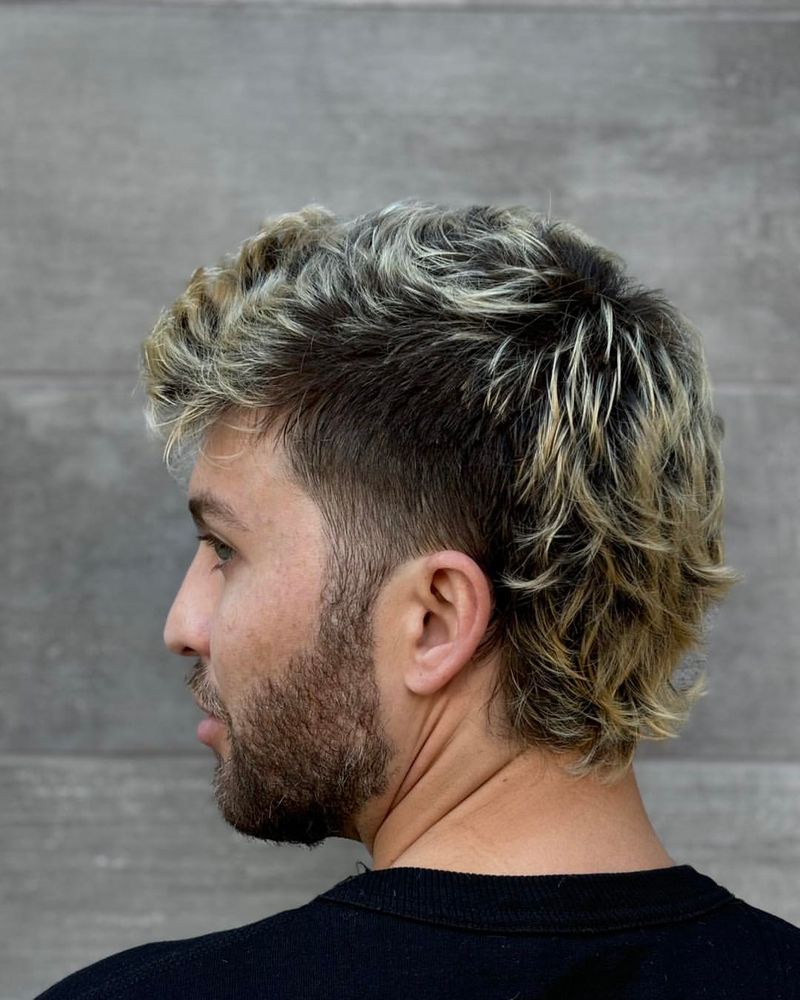
Frosted tips were the highlight of the 80s hair scene. People would bleach the tips of their hair, giving it a sun-kissed look.
4. Afro Puffs
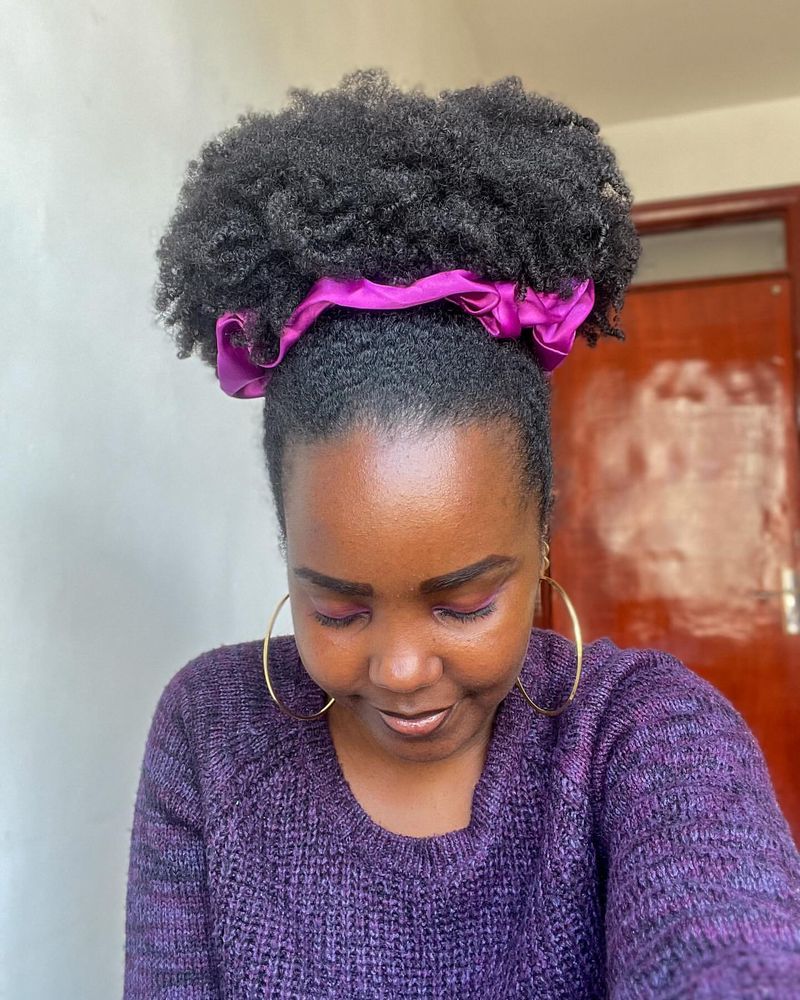
Afro puffs became a signature look in the 70s. While it celebrated natural hair, the excessive use of products and tight bands often led to breakage. It was bold, beautiful, but not always practical for daily wear.
5. Feathered Hair
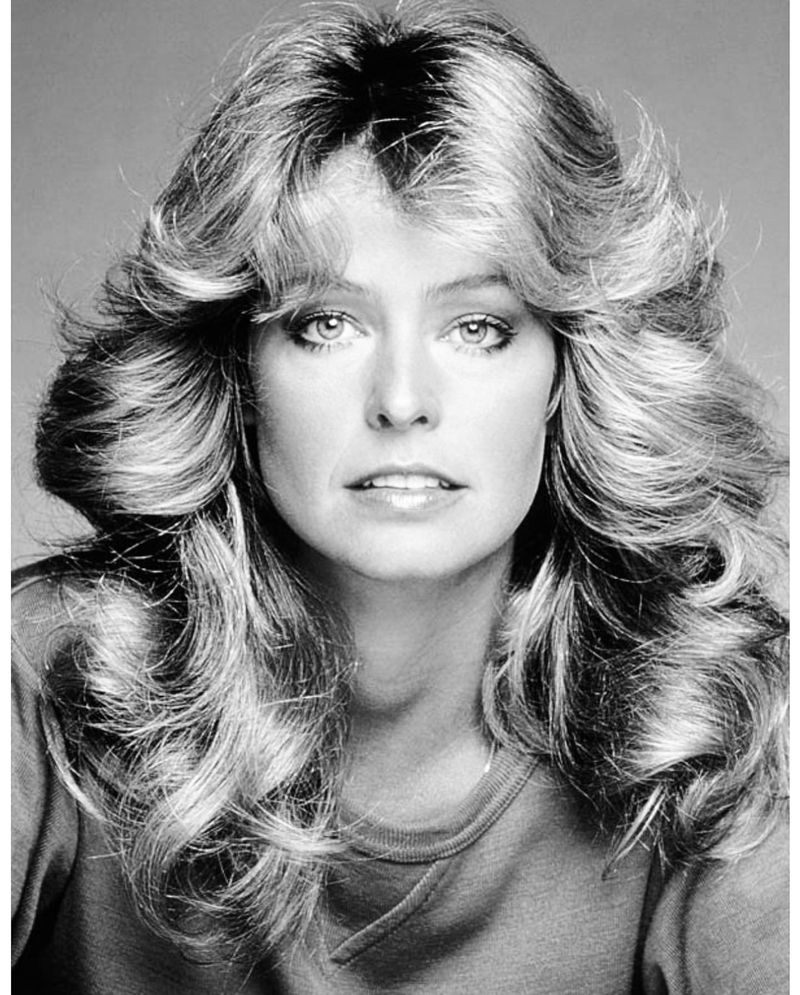
Feathered hair was a staple of the 70s, made famous by Farrah Fawcett. While it added volume, it was hard to maintain. The layers could quickly lose their shape, leaving one with an unruly mane rather than a stylish do.
6. Crimped Hair
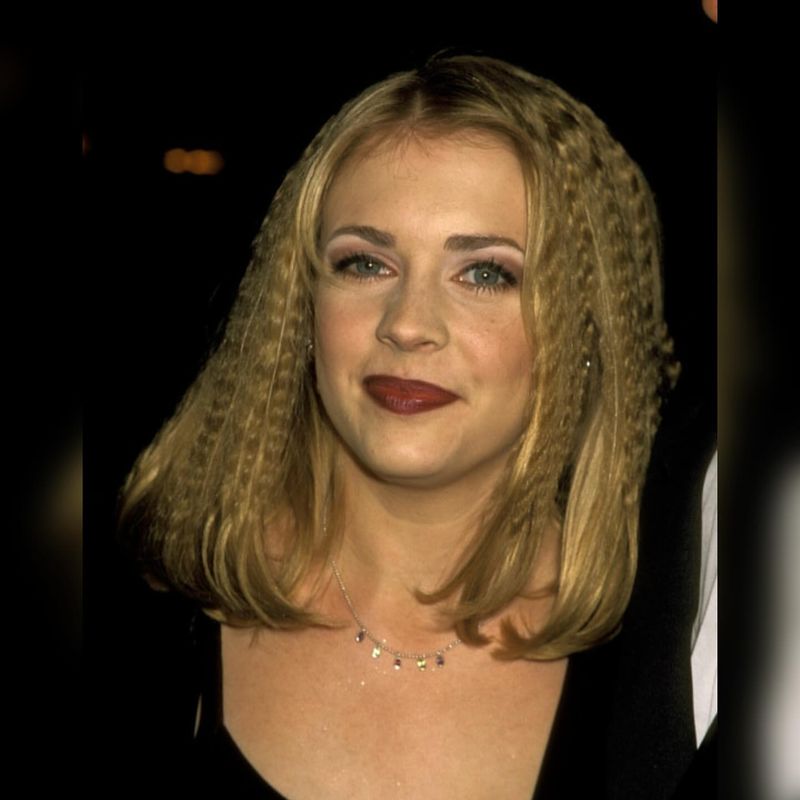
Crimped hair was all the rage in the 80s, characterized by a zig-zag texture. The excessive heat and tight crimps left hair frizzy and fragile. Despite being fun for a night out, it was a nightmare for hair health.
7. Jheri Curl
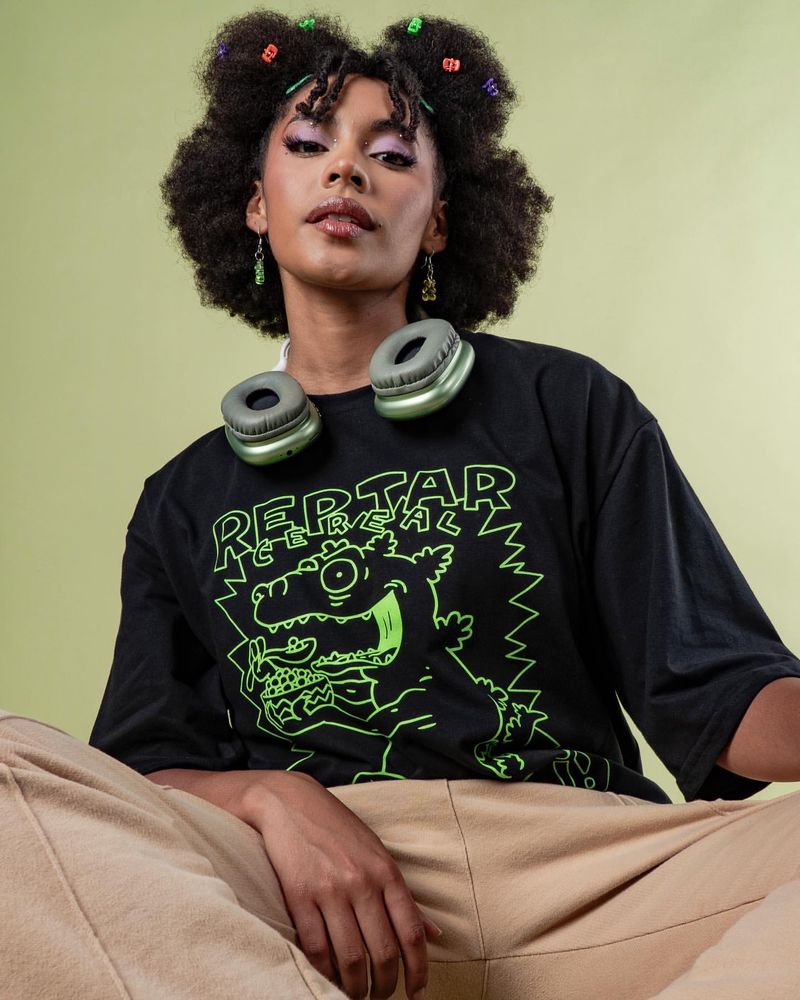
The Jheri curl was synonymous with the 80s. While it promised effortless curls, the reality was greasy and high-maintenance. The constant need for reapplication of activator made it expensive.
8. Rat Tail
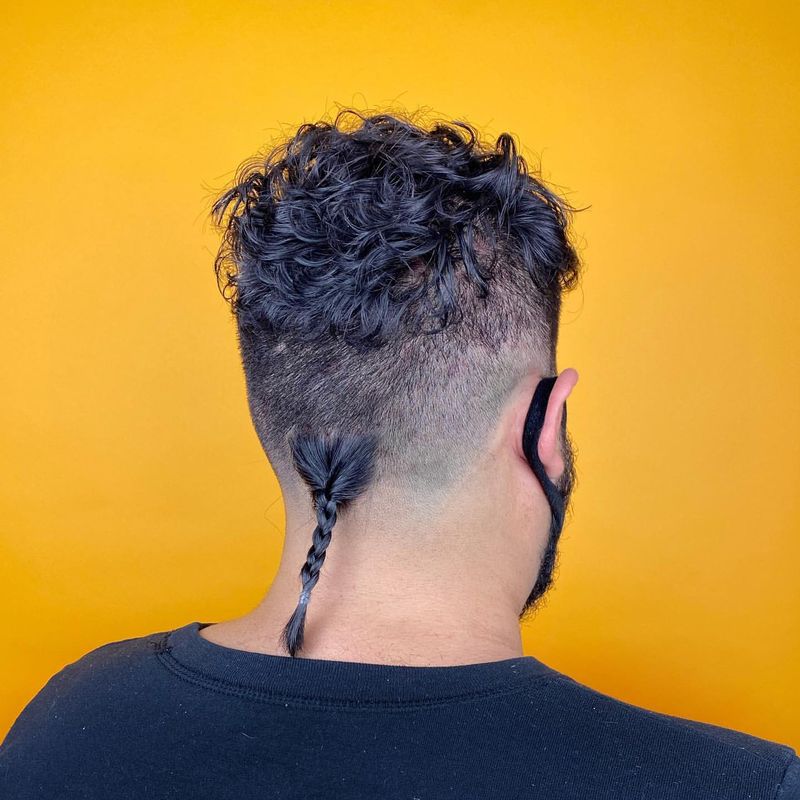
The rat tail was a peculiar trend of the 80s, where a thin strand of hair was grown long at the nape. It was unique, yes, but also awkward and difficult to style. It quickly fell out of favor as trends evolved.
9. Perm
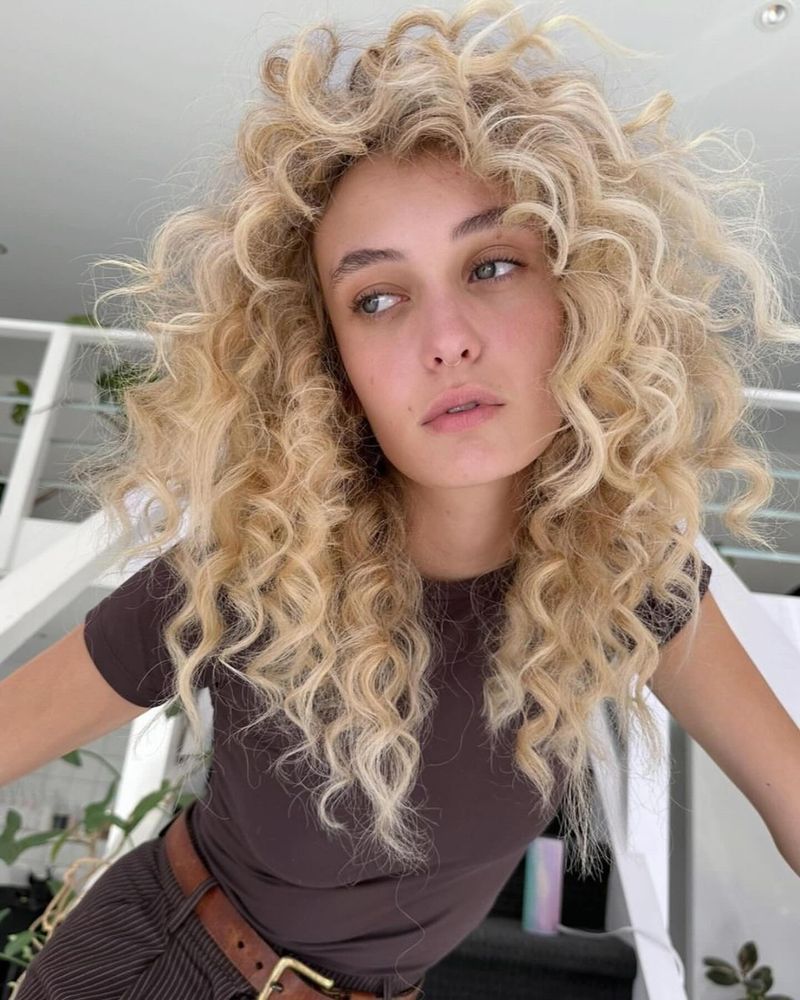
The perm was a defining hairstyle of the late 70s and 80s. The chemical process was harsh, leading to dry and brittle hair. Maintaining those curls required constant upkeep, making it a time-consuming and often regrettable choice.
10. Bowl Cut
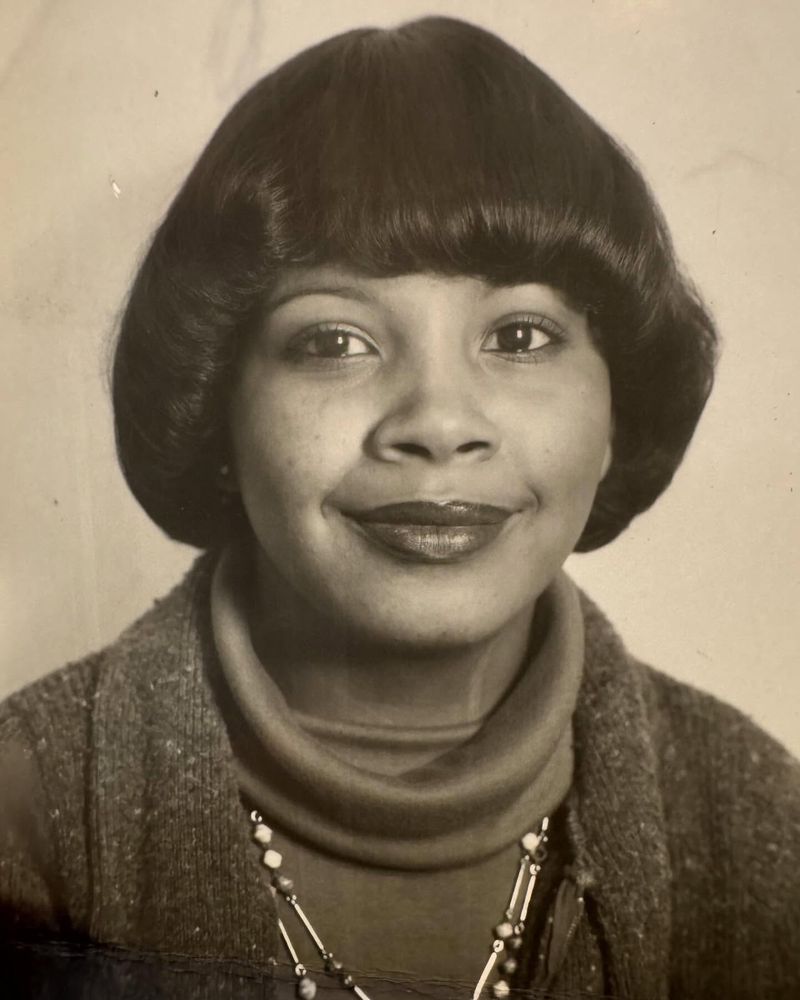
The bowl cut, often the result of home haircuts, became a staple in the 60s and 70s. It was easy to maintain but lacked any style or flair. More a practical choice than a fashion statement, it was often regretted.
11. Shag
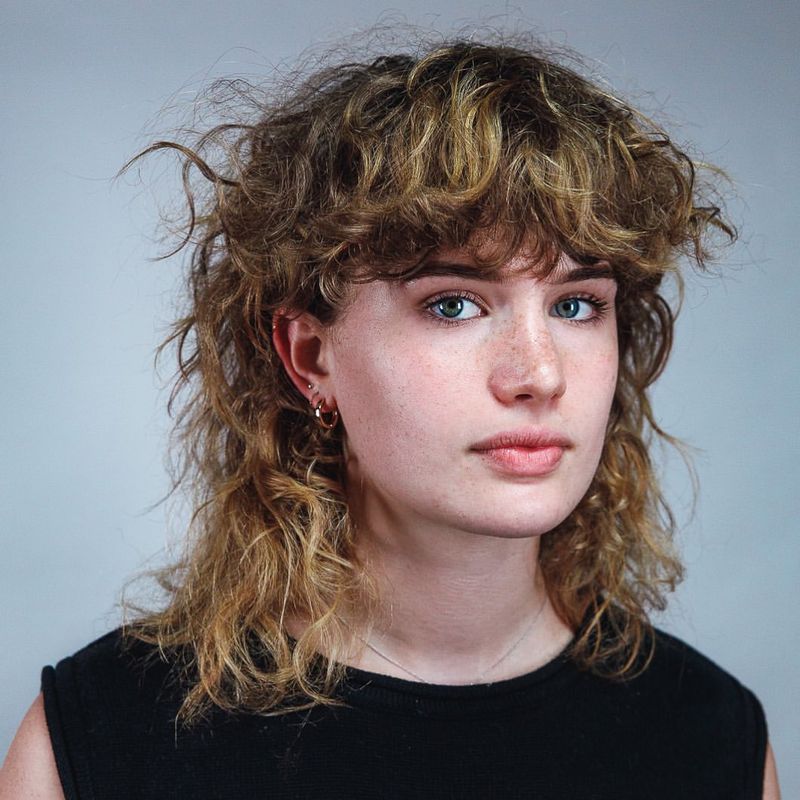
The shag was a rock-and-roll staple of the 70s, characterized by choppy layers and bangs. Without regular trims, it often lost its edge, resulting in a tangled look. Despite its popularity, it was not for everyone.
12. Bouffant
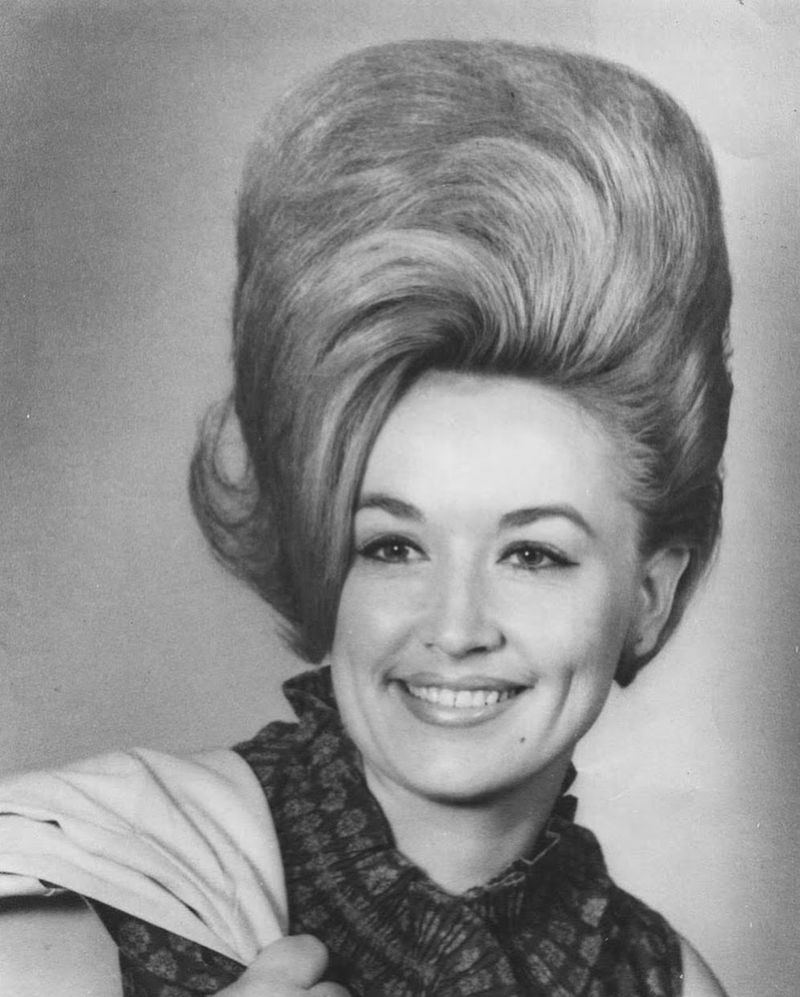
The bouffant was all about volume and sophistication in the 60s. It was glamorous but required significant effort and hairspray to maintain. The result often seemed too stiff and artificial, leaving many to prefer more relaxed styles.
13. Liberty Spikes
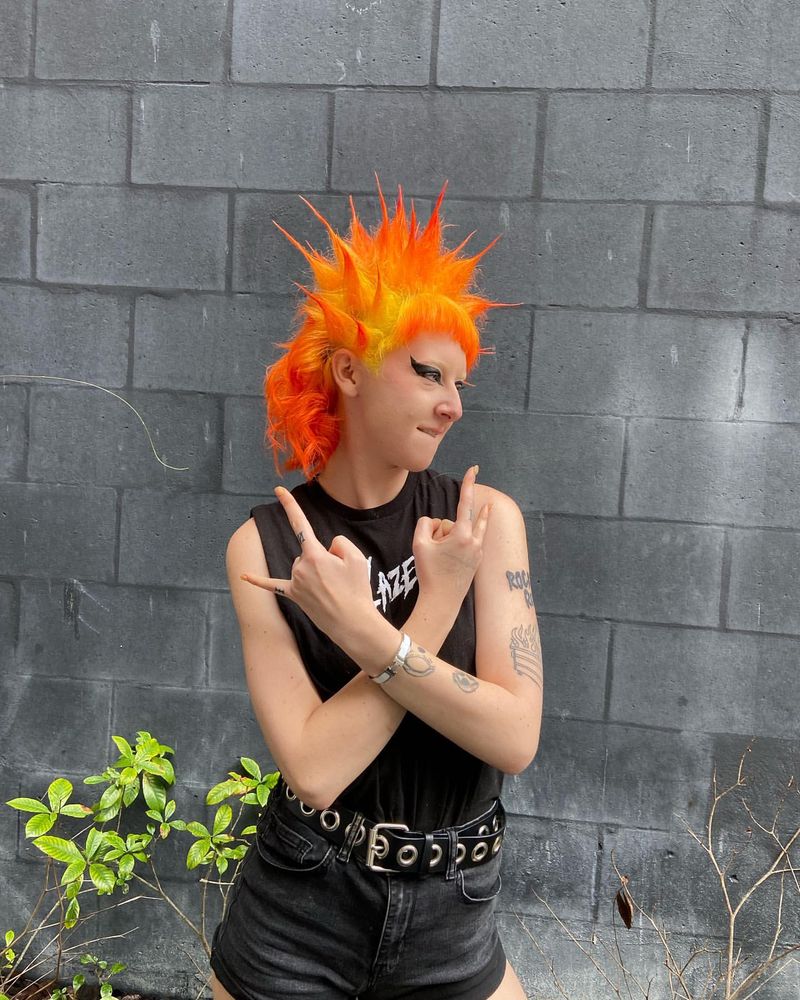
Liberty spikes were a bold statement of the 80s punk scene. Achieving this look was time-consuming, requiring ample gel and patience.
14. Pageboy
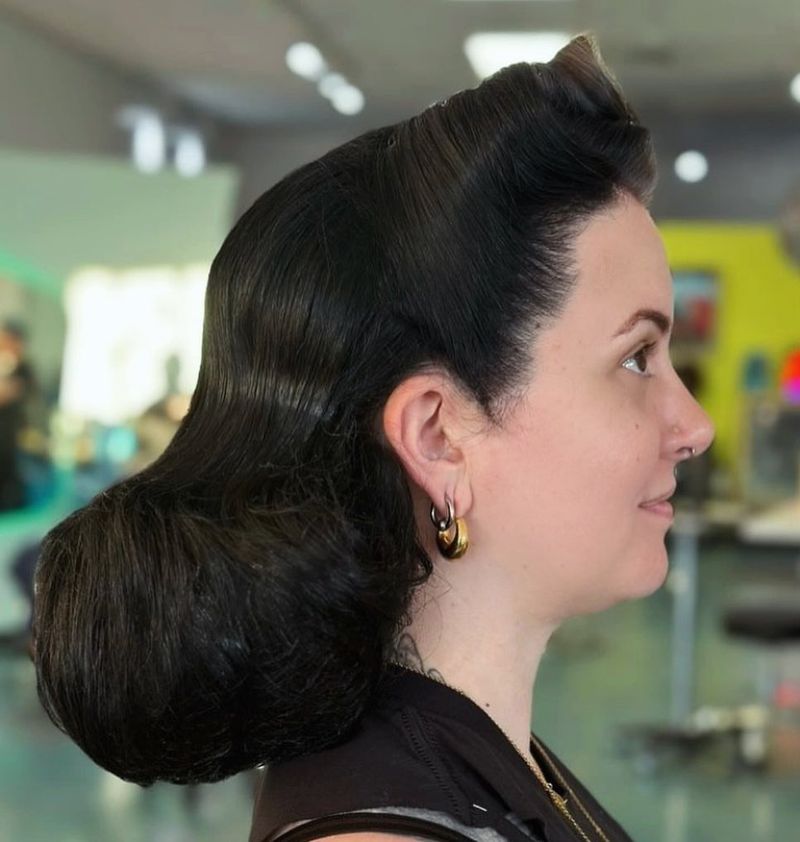
The pageboy, with its sleek, rounded edges, was a 60s favorite. While chic, it was difficult to maintain the precise shape without regular salon visits.
15. Flat Top
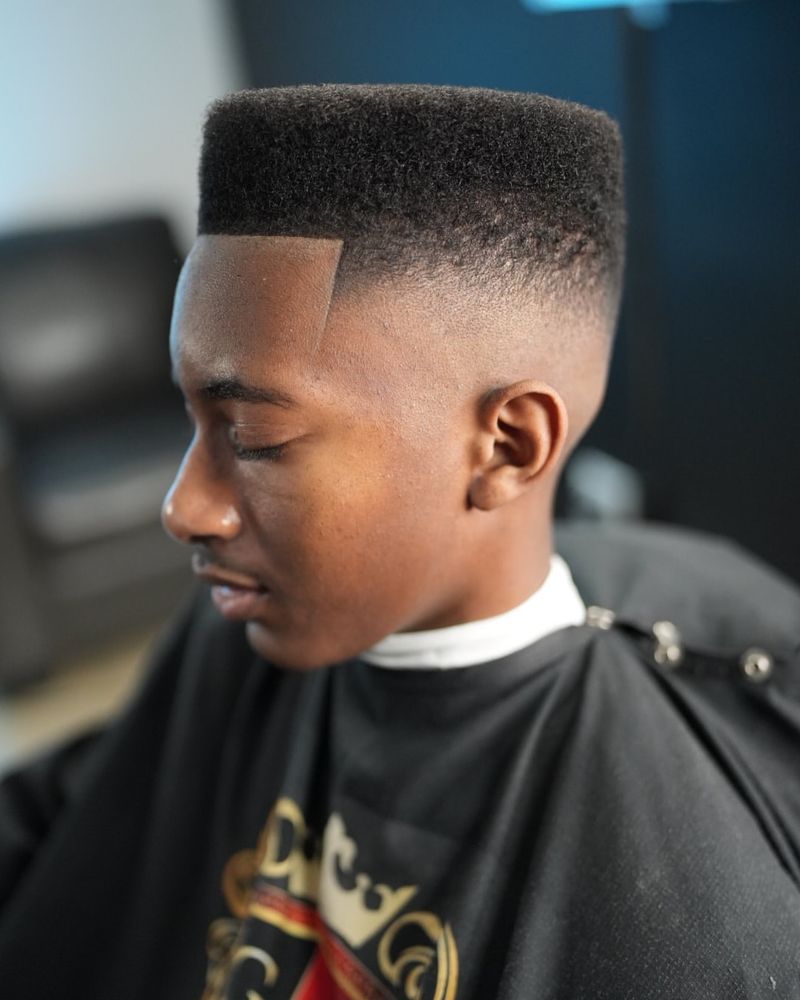
The flat top was a geometric marvel of the 80s. While it was a popular choice among athletes and musicians, it required constant maintenance to keep the lines sharp.
16. Cornrows
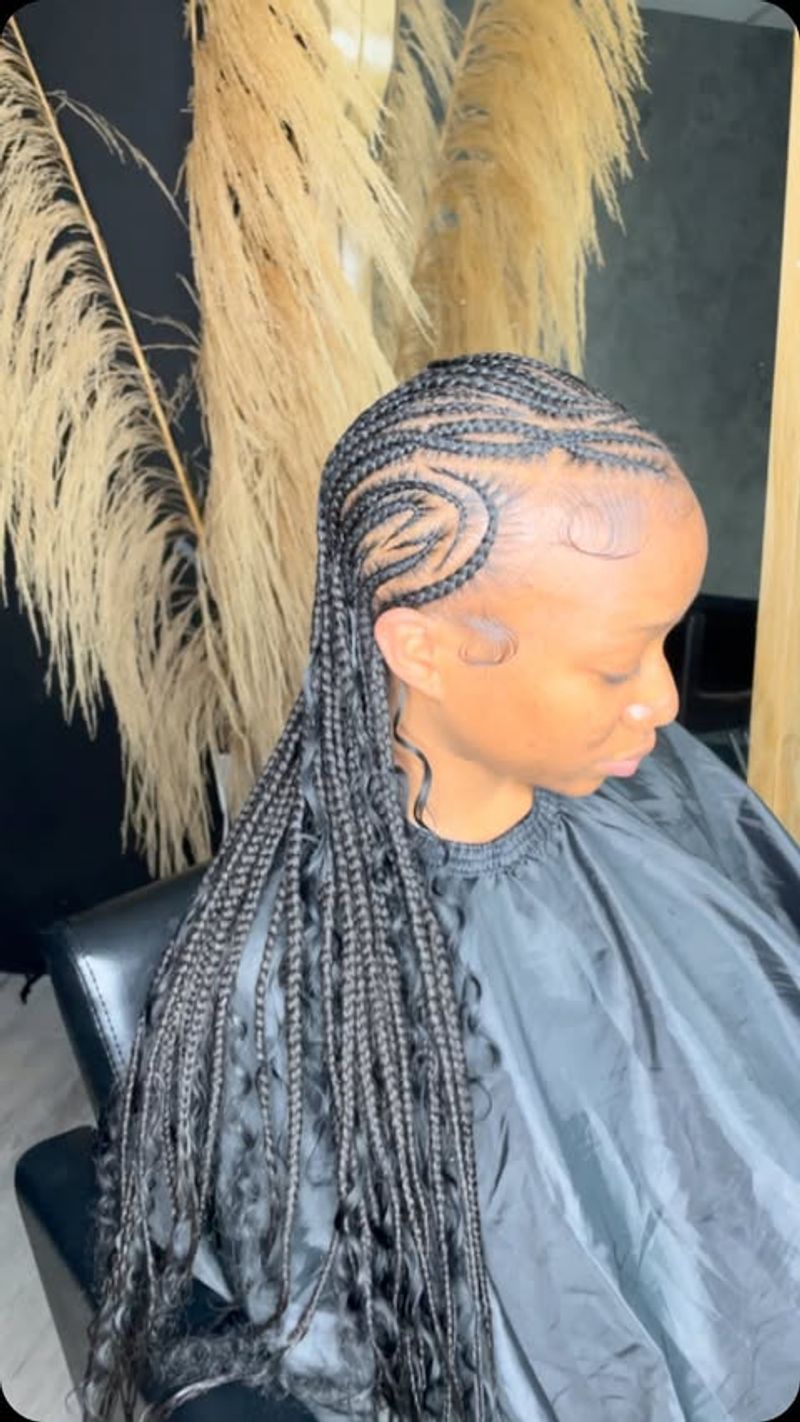
Cornrows, with their intricate patterns, were a cultural statement. Though visually striking, it could lead to scalp tension and hair breakage if worn excessively.
17. Pompadour
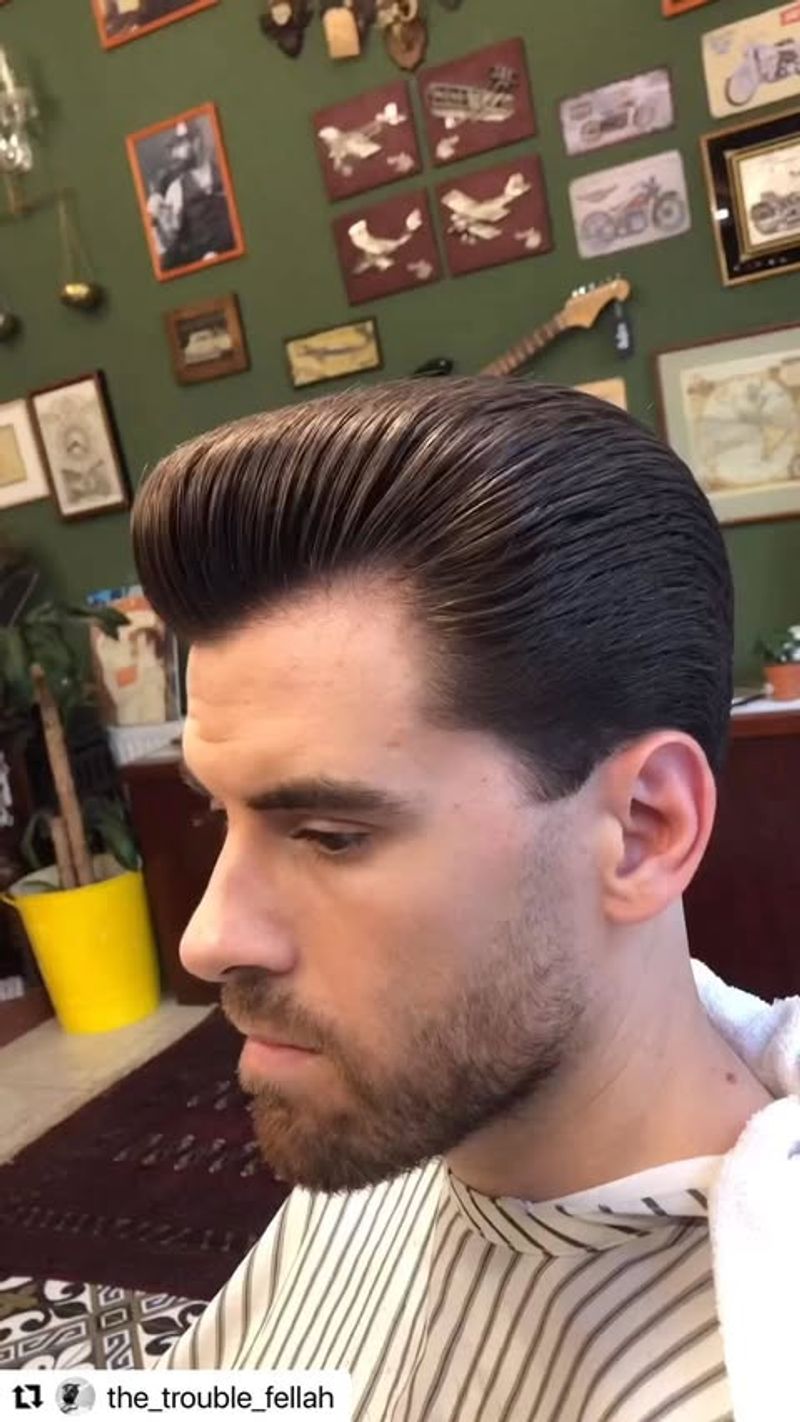
The pompadour, though originating earlier, saw a revival. The style could become greasy with too much pomade, making it a high-maintenance choice not for the faint-hearted.
18. Waterfall Bangs
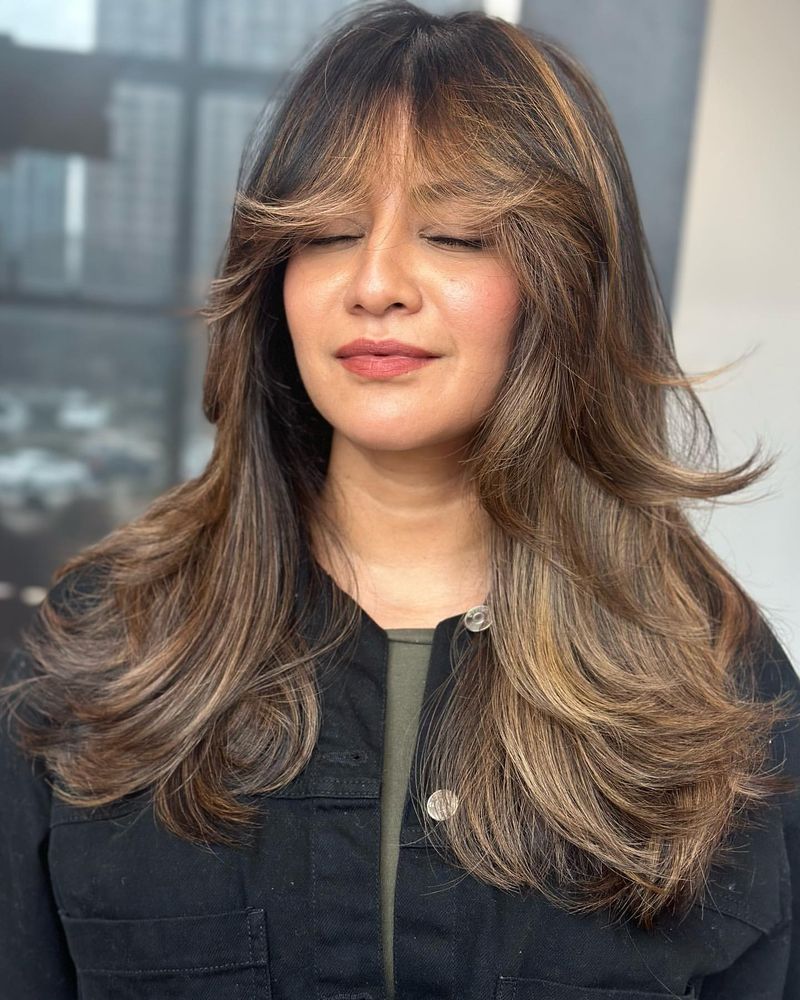
Waterfall bangs were a romantic yet tricky style of the 70s. While they added softness, they often required daily styling to prevent them from looking limp.
19. Ducktail
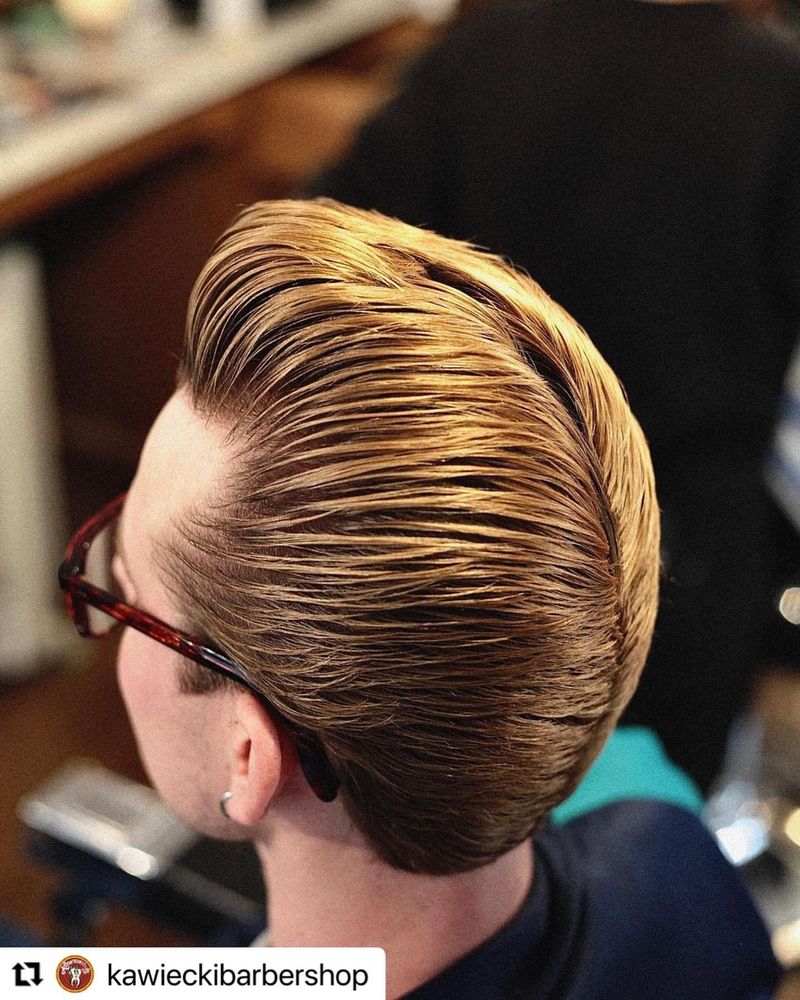
The ducktail, or DA, involved slicking back the sides and leaving a ridge down the center. This 50s-inspired look gained some traction later on. It was neat but required copious amounts of gel, leading to stiff, crunchy hair.
20. Bowl Mullet
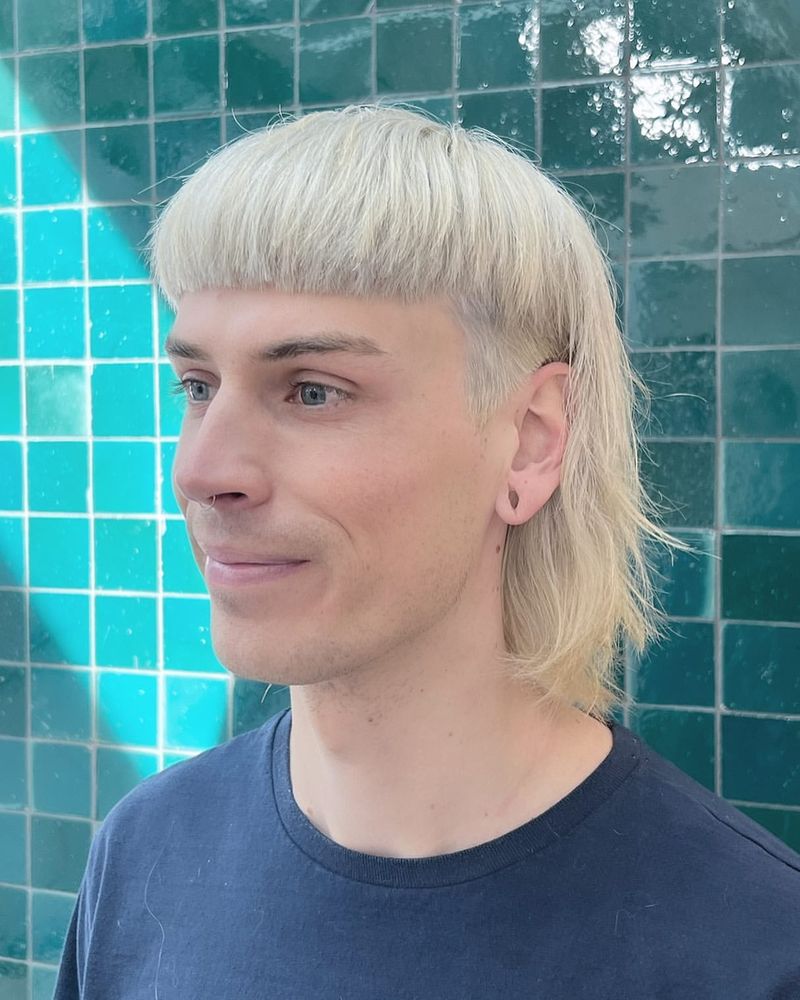
With a bowl cut in the front and a mullet in the back, it offered neither the charm of a classic bowl nor the rebellious spirit of a mullet. This odd combination lacked harmony, leaving wearers with a perplexing style.
21. Slicked-Back
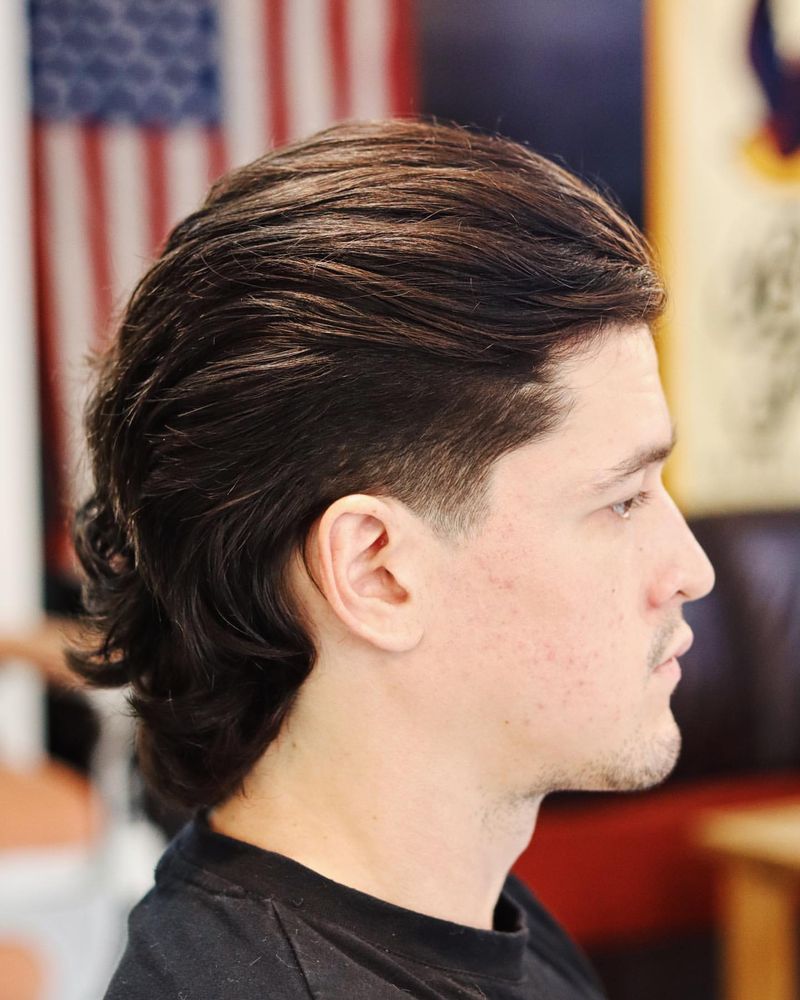
Slicked-back hair was the epitome of 80s corporate power. While it exuded confidence, it often appeared greasy and required regular upkeep. This look was more about image than practicality, leaving many to seek softer styles.
22. Spiky Hair
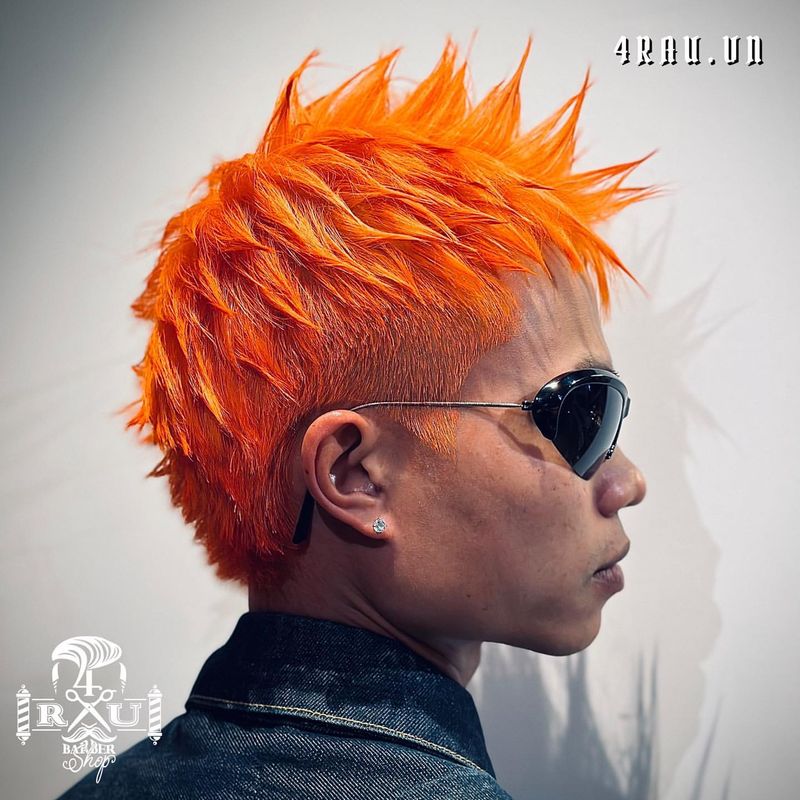
Spiky hair was a youthful rebellion of the 80s. Gel was used to create stiff spikes all over the head. While it was a fun and edgy look, it often became crunchy and uncomfortable.
23. Teased Bangs
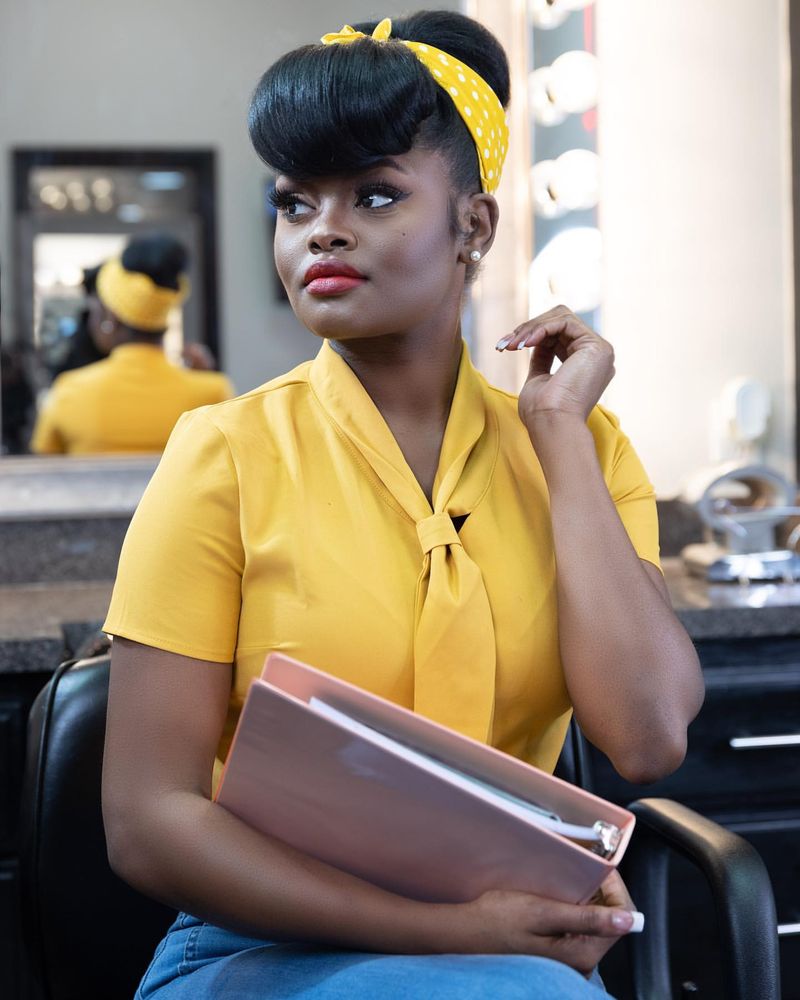
Teased bangs were a quintessential 80s teenage look. Though trendy, it often led to tangles and damage. Maintaining the desired look was a challenge, requiring patience and plenty of hairspray. It was playful but not always practical.
24. Sideburns
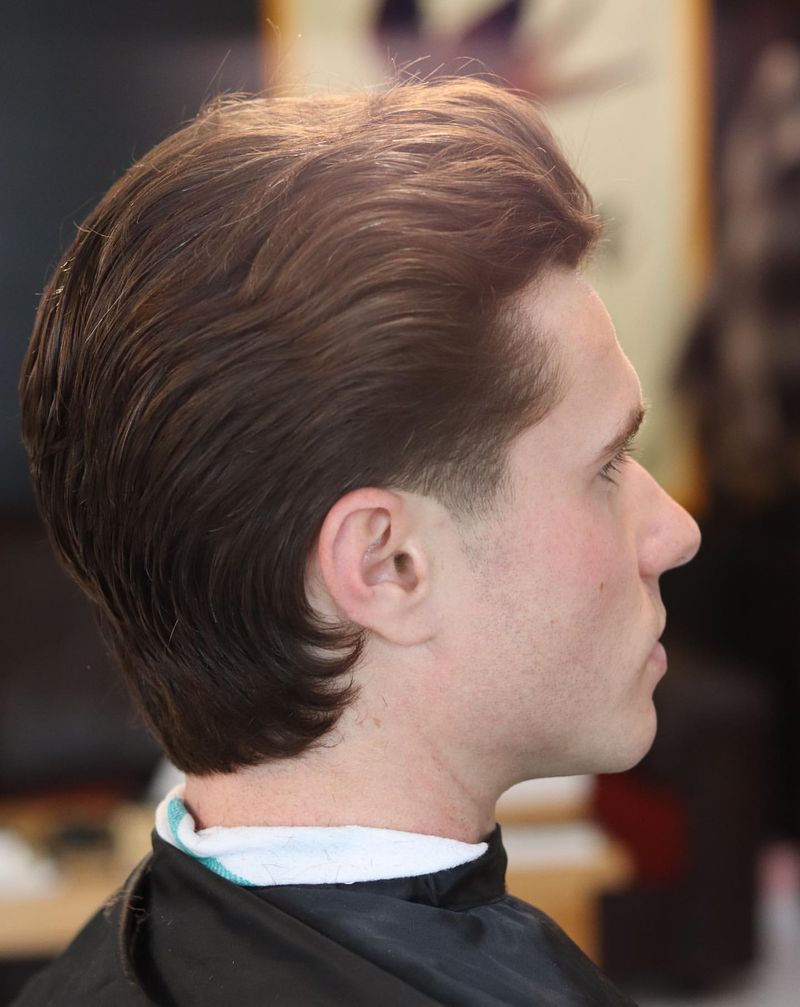
Sideburns were a defining feature of 70s men’s grooming. While they added character, they required regular trimming to maintain their shape. The style was bold but wasn’t always flattering or easy to manage.
25. Blowout
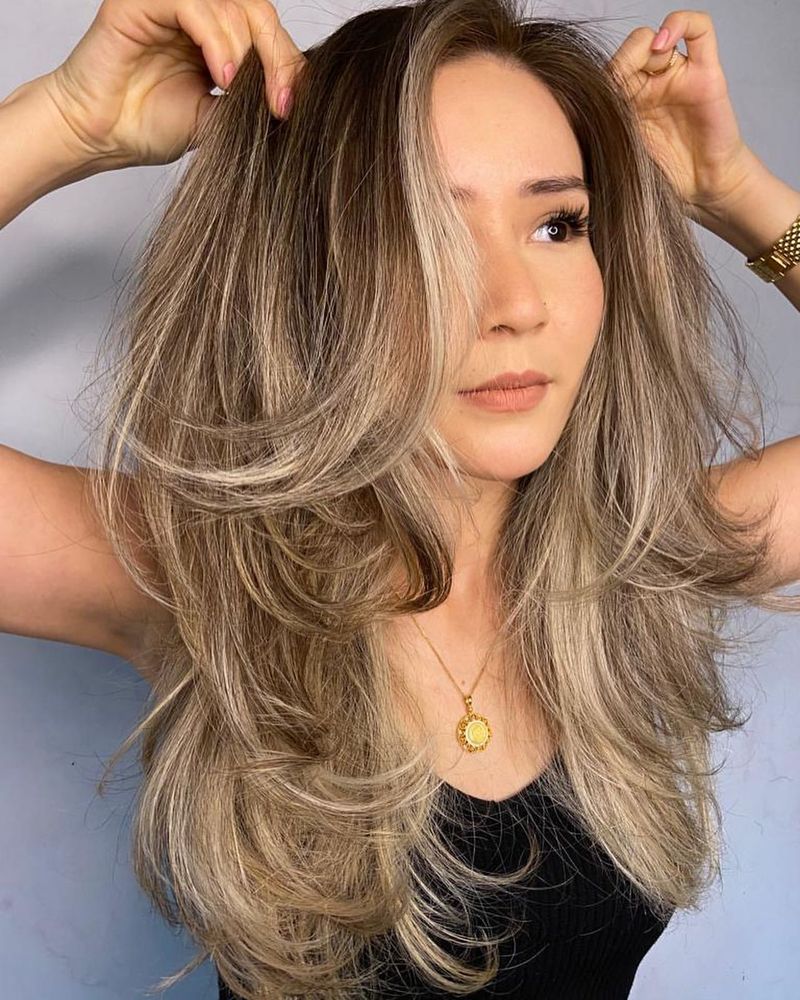
The blowout was a glamorous 70s hairstyle, creating volume and bounce. While stunning, it was time-consuming and required skill to perfect. Without proper technique, it could quickly deflate, leaving hair looking flat rather than fabulous.
26. Flipped Ends
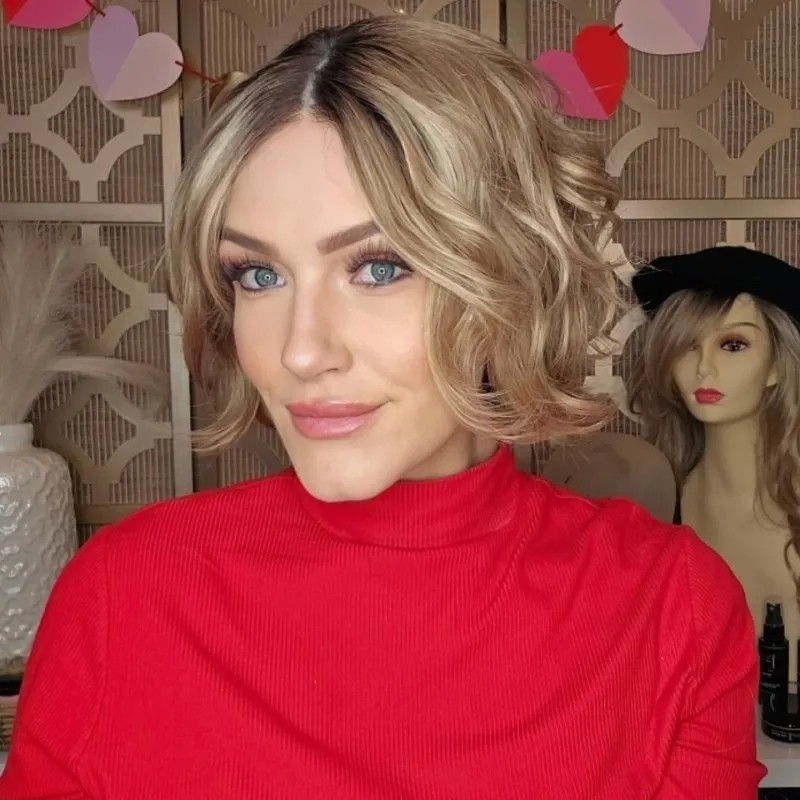
Flipped ends were a playful 60s hair trend. Hair was curled outwards at the ends, creating a lively flip. While it added a fun twist to any cut, it needed daily styling and was sensitive to humidity.
27. Mohawk
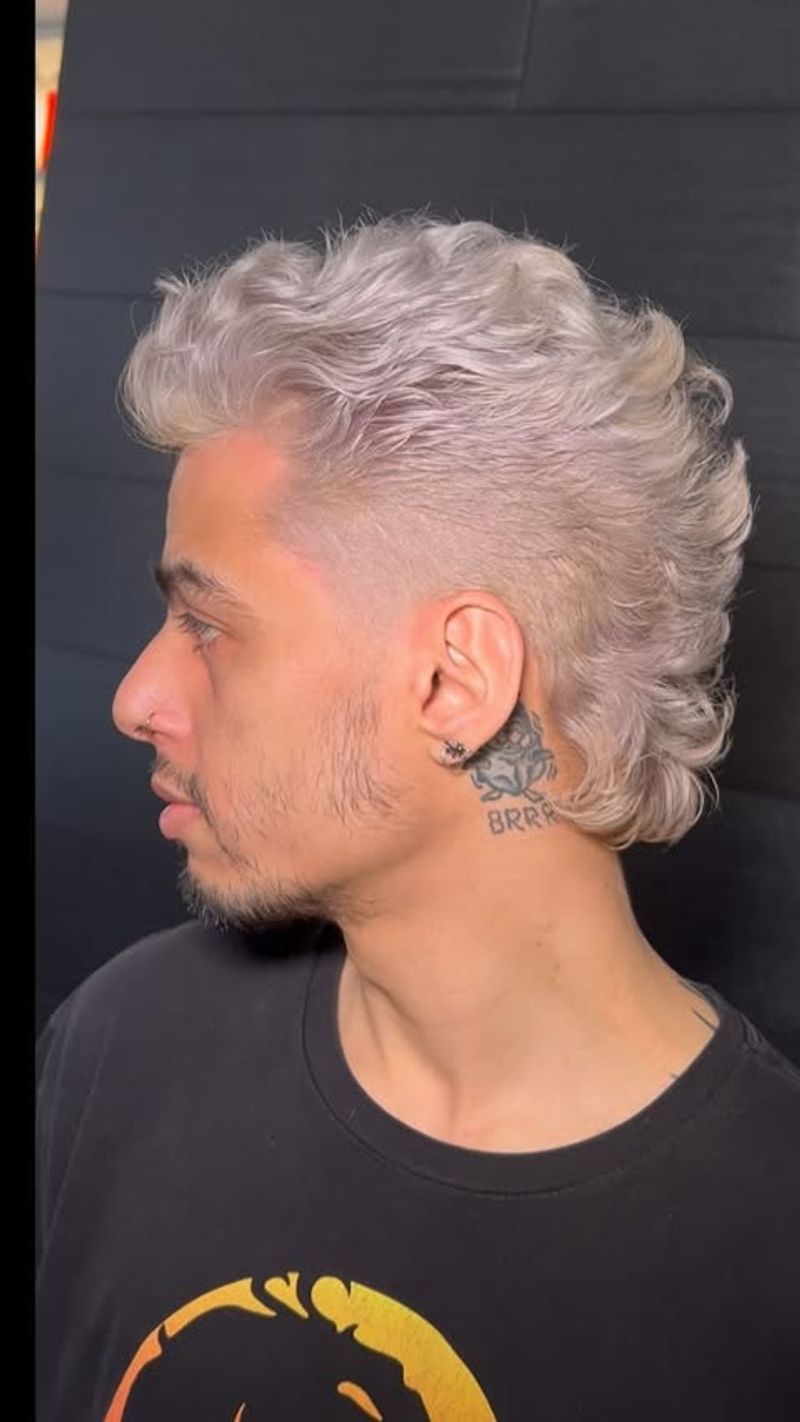
The mohawk was a bold statement in the punk scene, involving shaving the sides and leaving a strip of hair in the middle. While it was a symbol of rebellion, it required frequent shaving and styling, making it a daring but demanding hairstyle.
28. French Twist
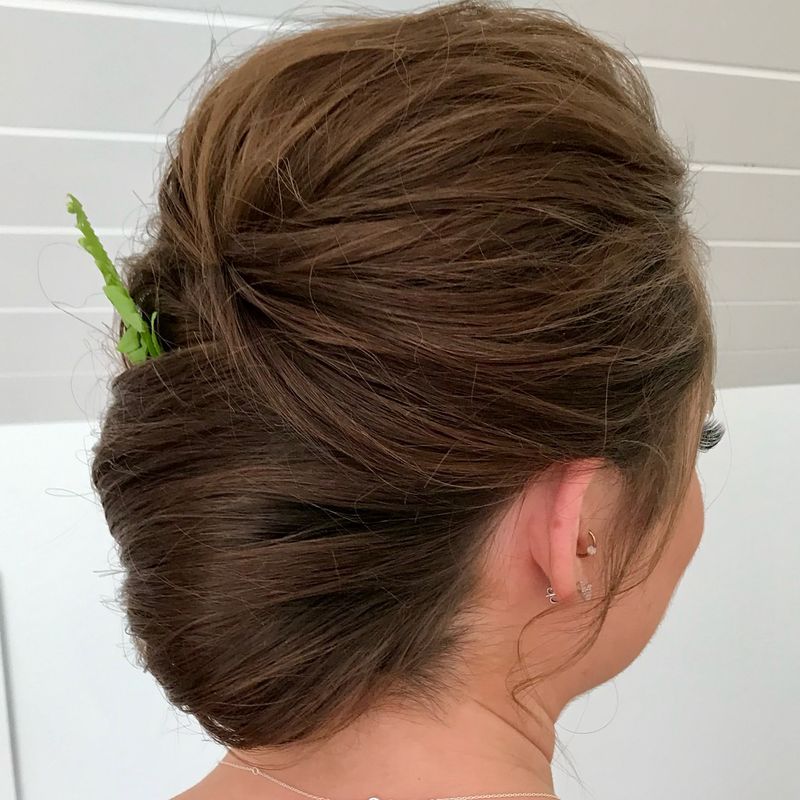
The French twist was a sophisticated 60s updo. Maintaining its elegance throughout the day was a challenge, making it less ideal for everyday wear.
29. Braid Crown
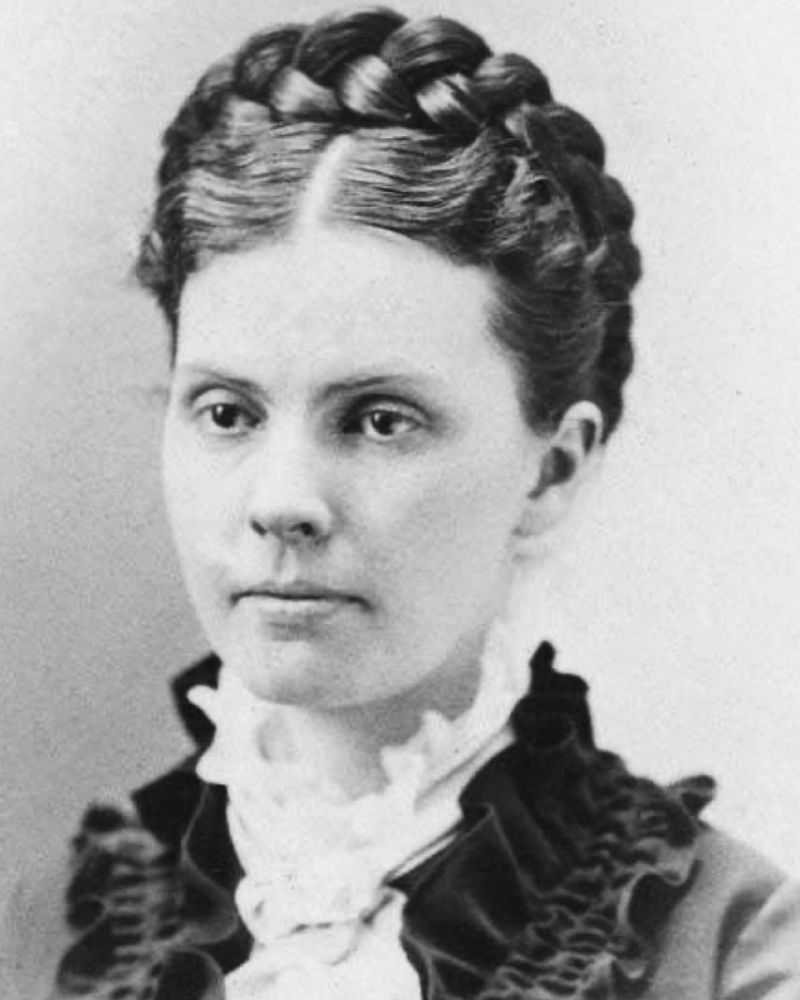
The braid crown was a romantic 70s hairstyle, where hair was braided and wrapped around the head. While it created a delicate and ethereal appearance, it demanded patience and practice to perfect.
30. Pixie Cut
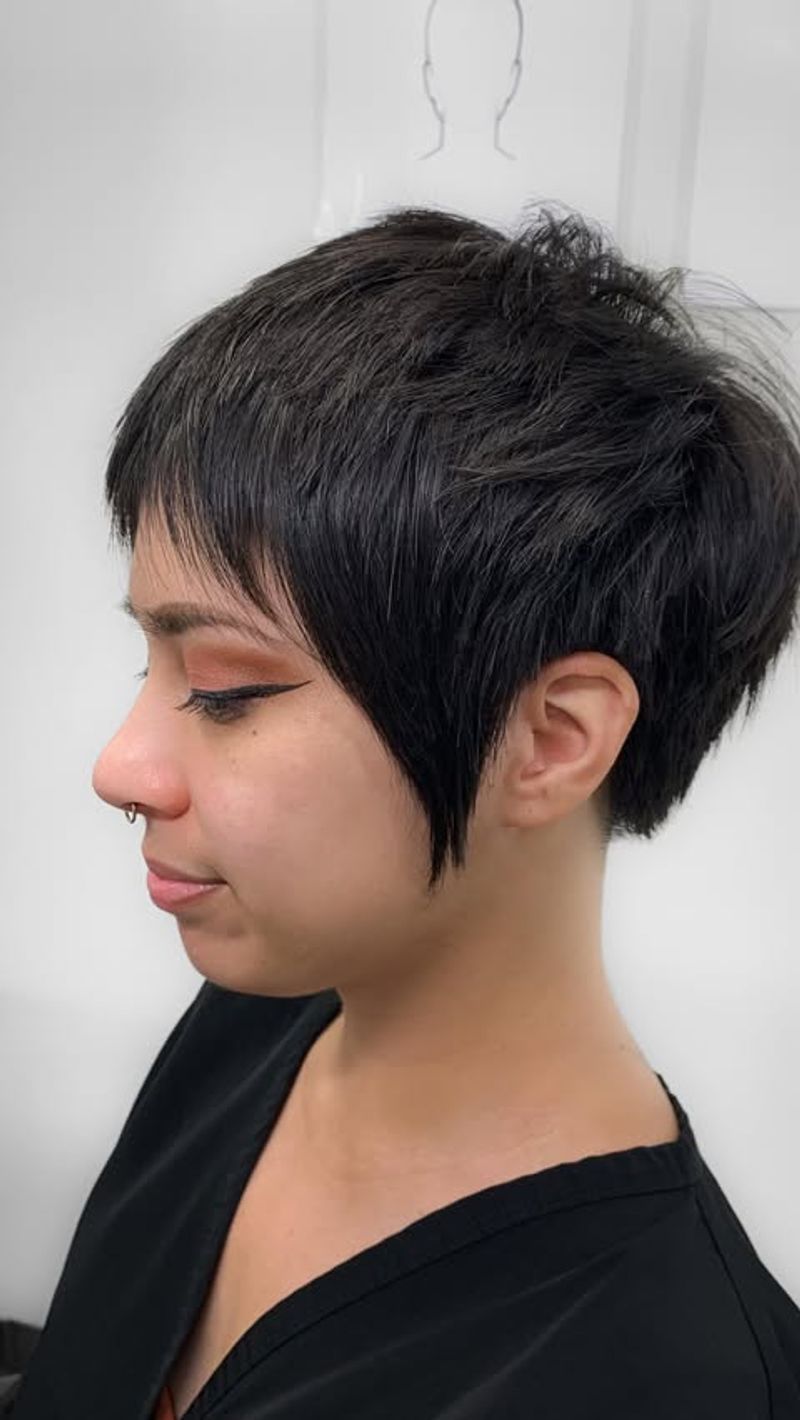
The pixie cut was a daring 60s style, showcasing short, close-cropped hair. However, it was not forgiving for all face shapes and required confidence to pull off.
31. Cornrow Mohawk
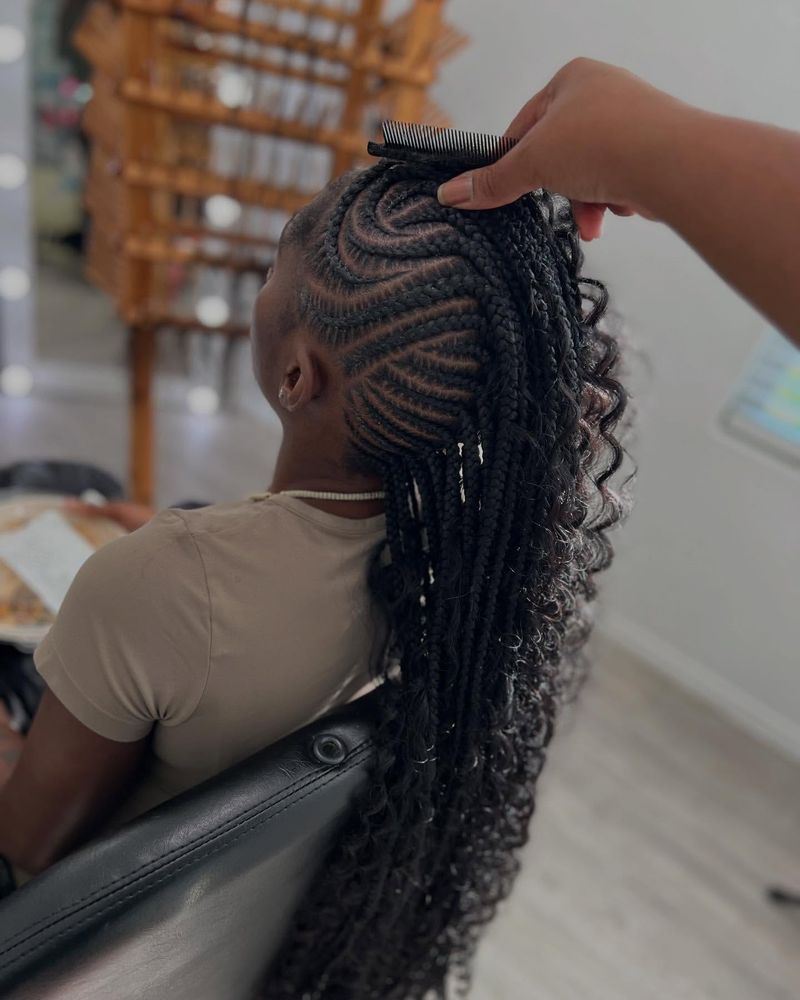
The cornrow mohawk combined the structure of cornrows with the boldness of a mohawk. This fusion style was striking but required meticulous braiding and regular upkeep.
32. Big Hair
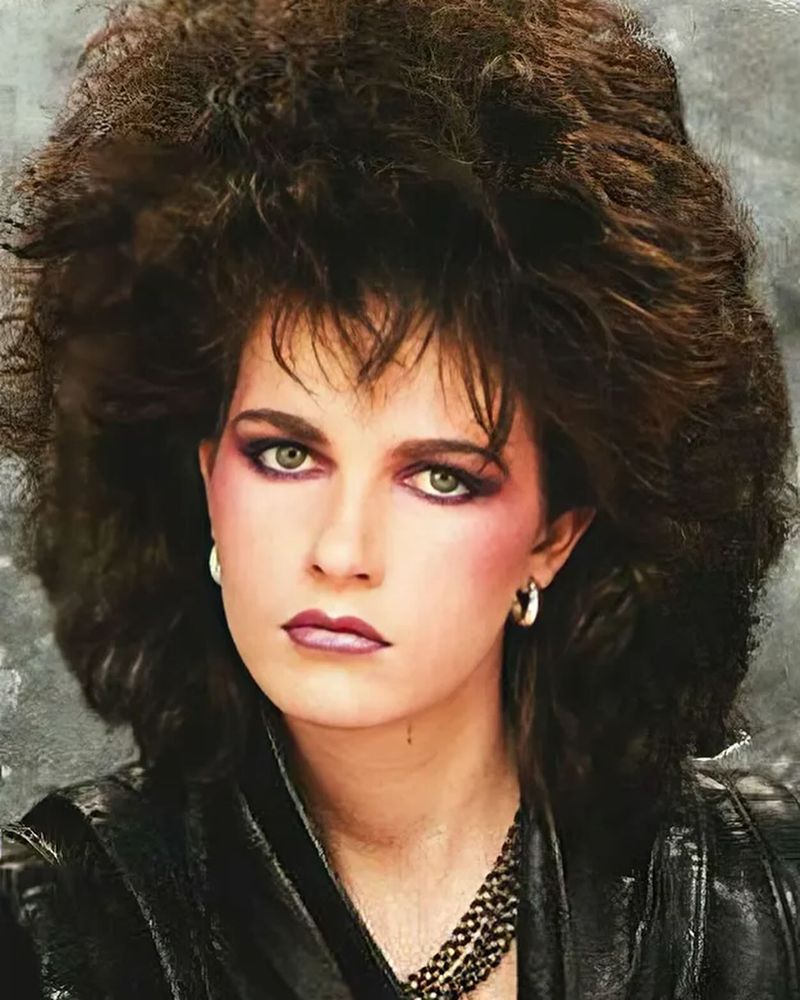
Big hair was the emblem of the 80s, characterized by volume and height. While it demanded attention, it also required constant styling to maintain its shape.
33. S-Curl
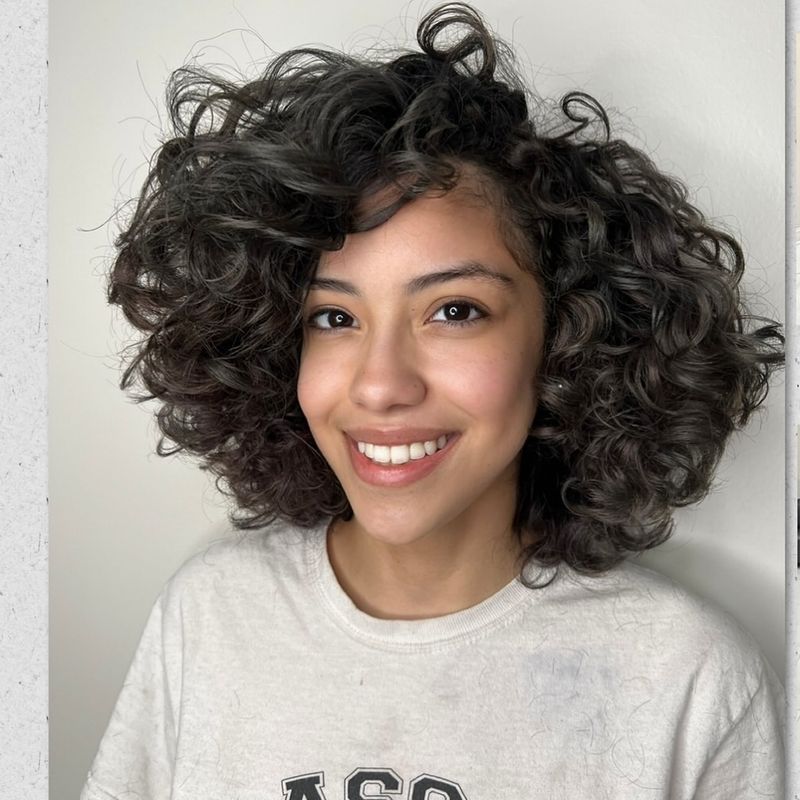
The S-curl was a popular 70s look, especially among African American men. While it offered a smooth and polished appearance, it required regular maintenance to prevent hair damage.
34. Wedge Cut
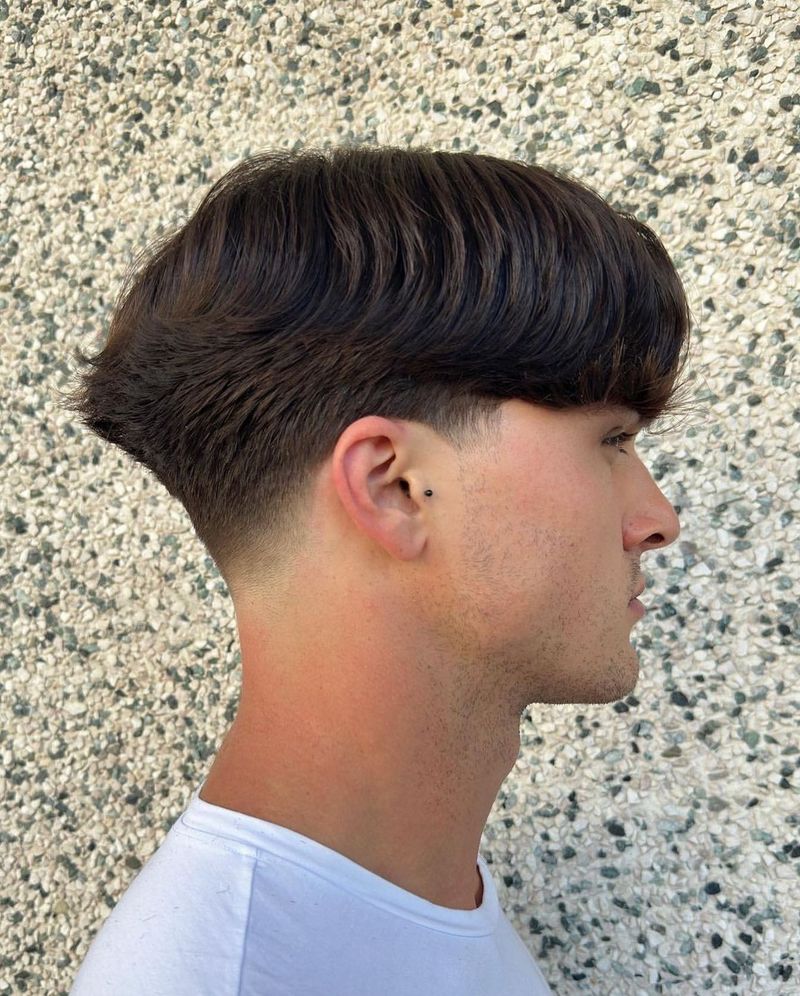
The wedge cut was a sporty 70s hairstyle, featuring stacked layers at the back. While it offered a neat appearance, the maintenance required to keep the sharp lines was a challenge for many.
35. Finger Waves
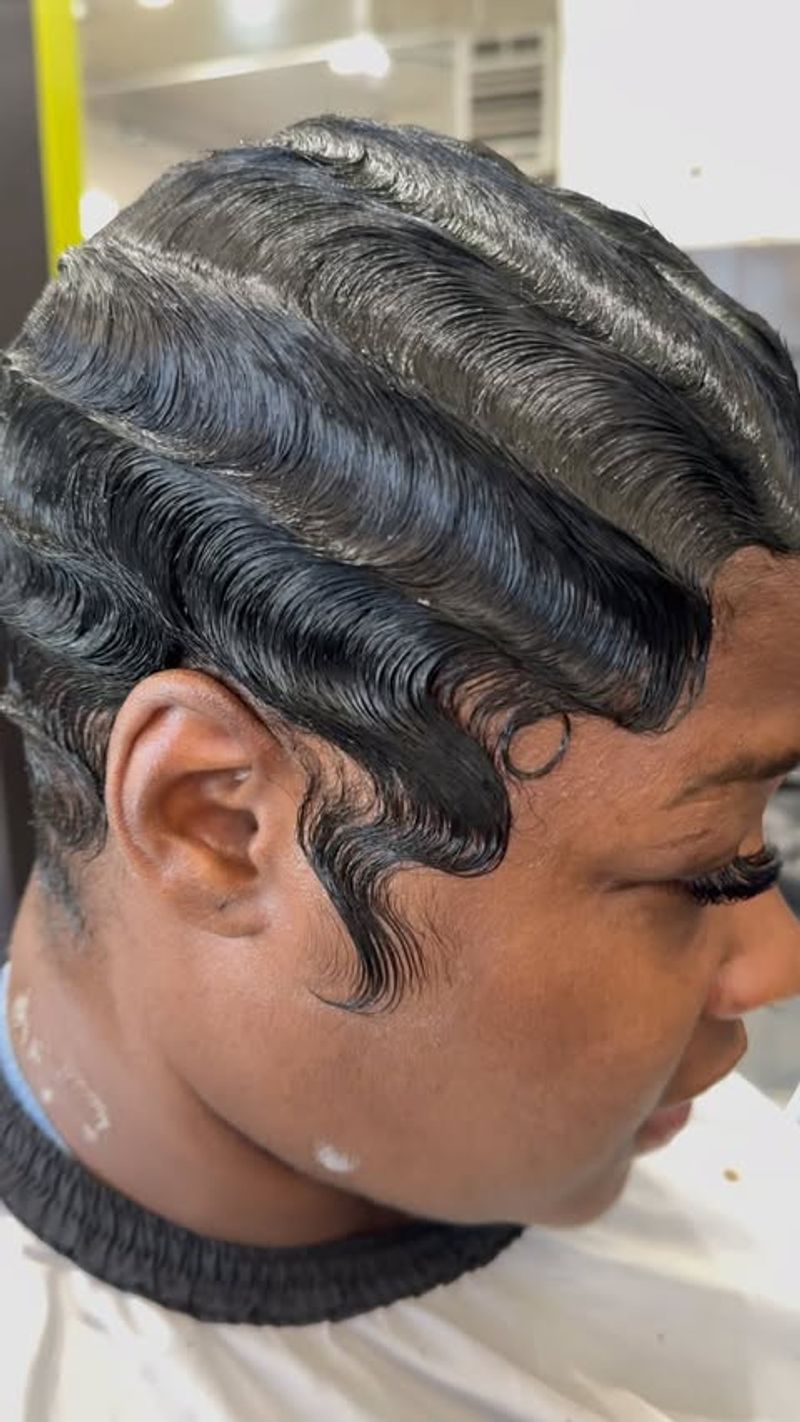
Finger waves, though rooted in the 20s, saw a revival. The style was delicate, prone to losing its shape, making it more suited for special occasions.
36. Slick Pixie
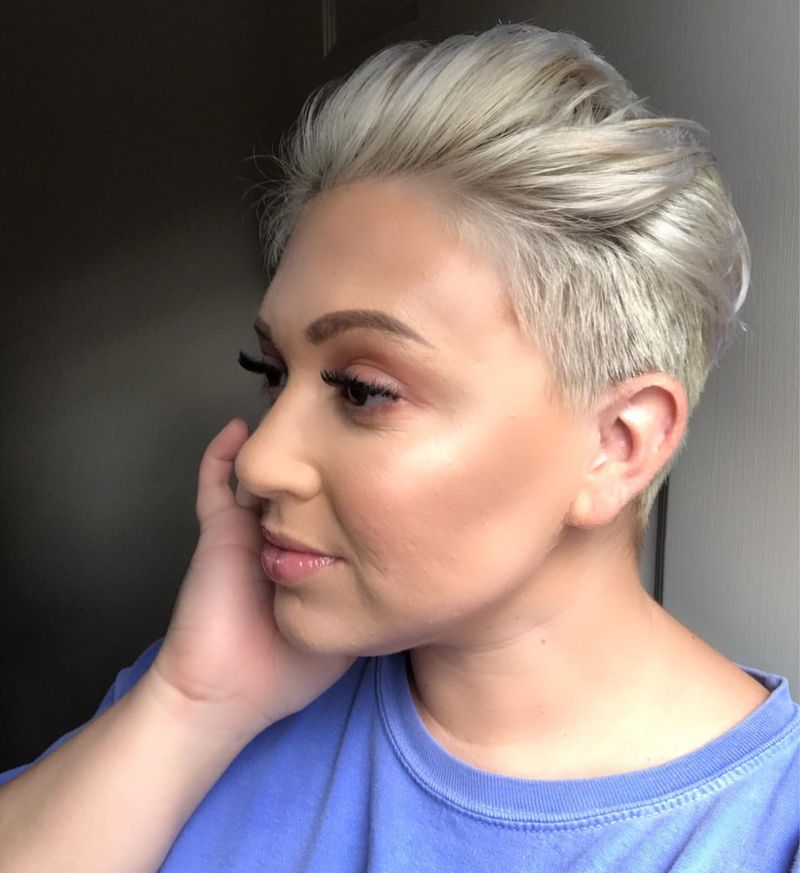
The slick pixie was a bold adaptation of the classic pixie cut. While trendy, it was unforgiving of any styling errors and required regular trims. The look was striking but left little room for versatility.
37. Victory Rolls
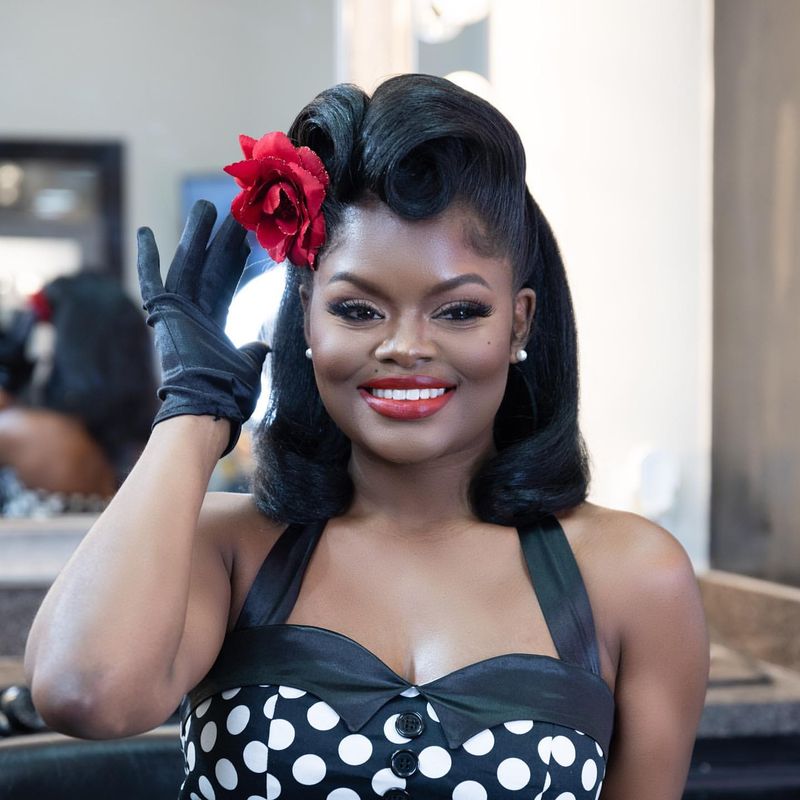
Victory rolls were an iconic 40s hairstyle that resurfaced. While stylish and full of nostalgia, they were tricky to master without experience. The style required patience and plenty of pins, making it more of a commitment than a casual choice.
38. Burst Fade
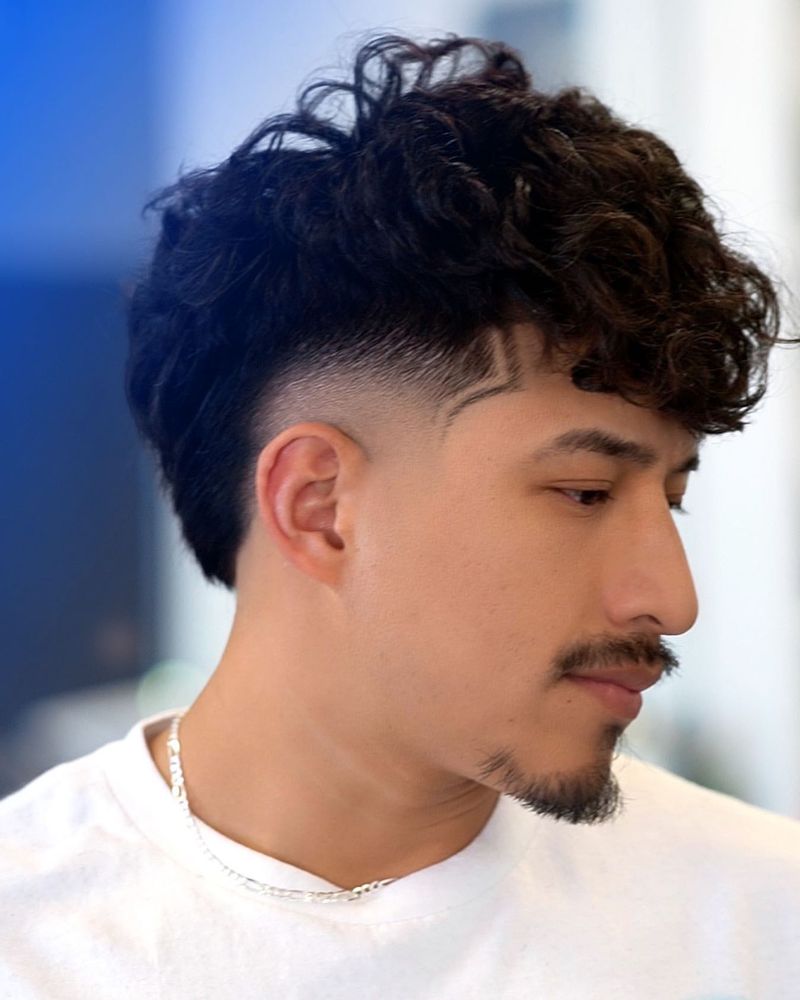
The burst fade was a daring haircut of the 80s and 90s, featuring shaved sides with a burst of length on top. The style was eye-catching but required a commitment to stay sharp and fresh.
39. Roller Set
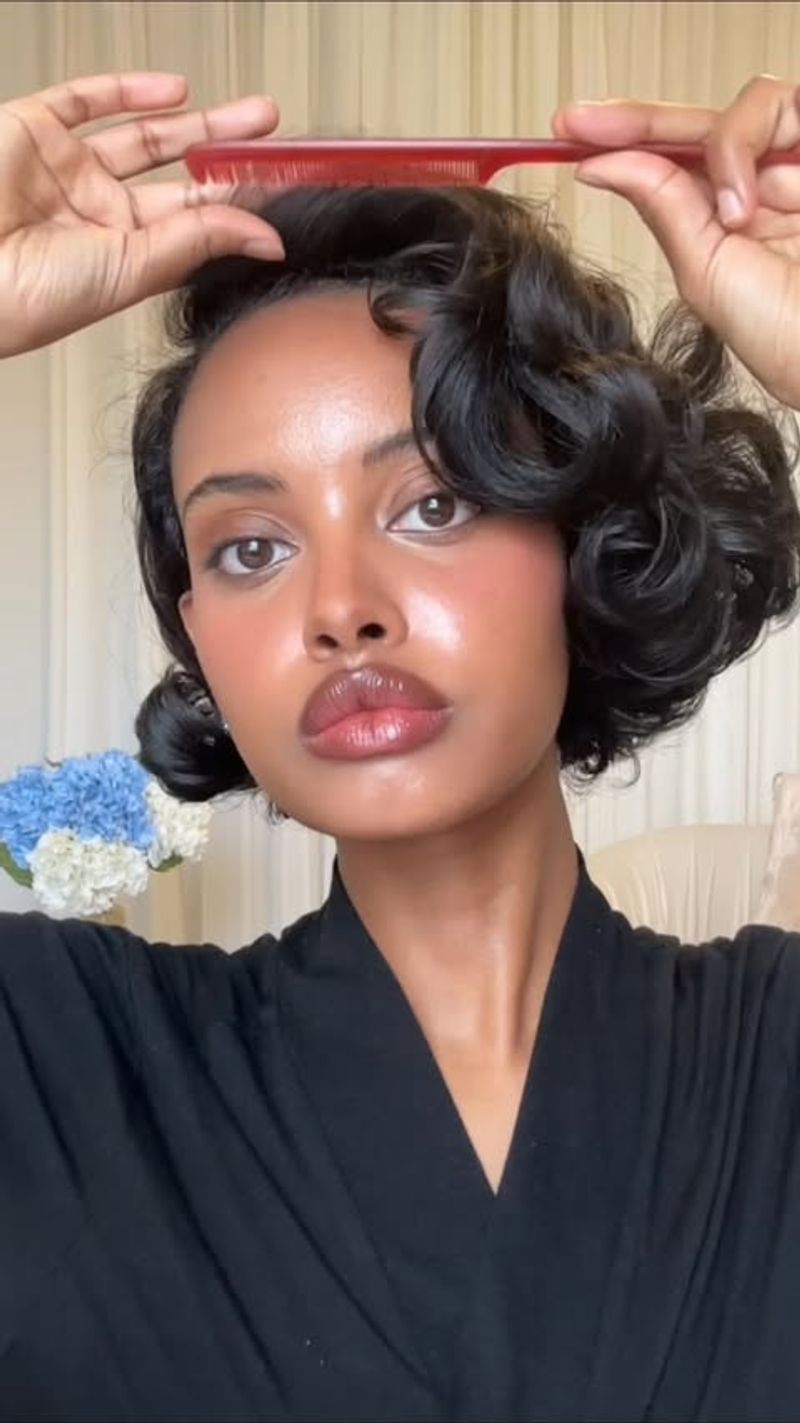
The roller set was a classic 60s method for achieving bouncy curls. While effective, it was time-consuming and often uncomfortable.
40. Bantu Knots
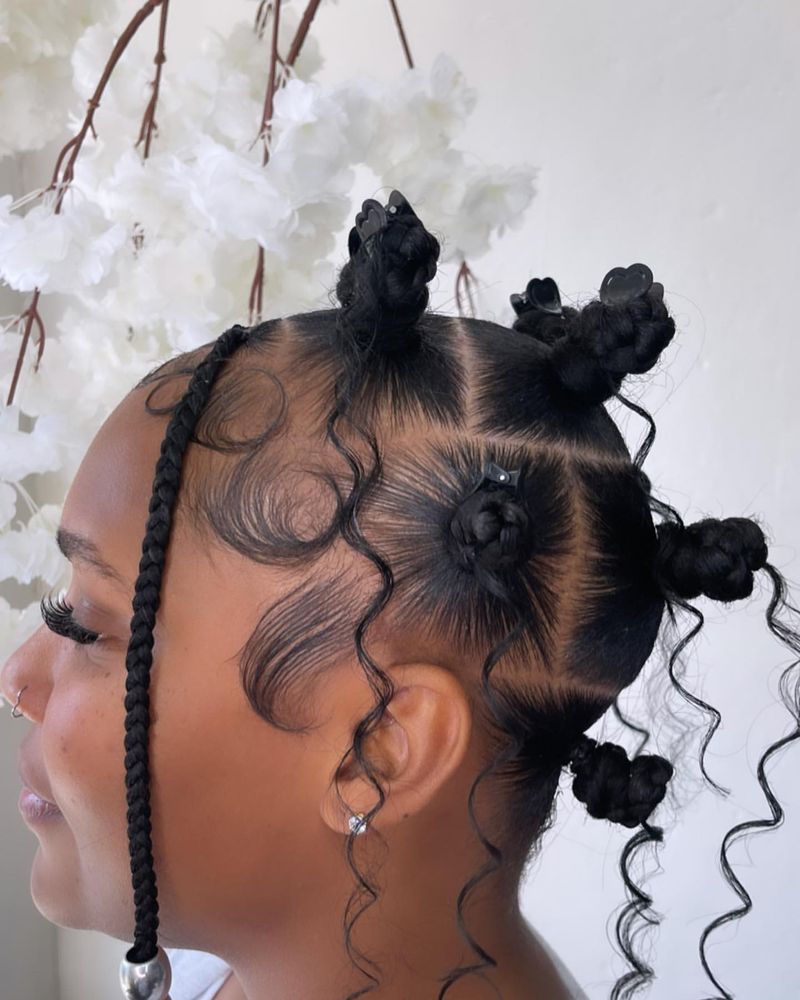
Bantu knots were a distinctive style of the 70s, featuring small, coiled buns across the scalp. While it created a striking appearance, it wasn’t easy to sleep on or maintain for extended periods, making it more of a temporary statement.
41. Rattail Mullet
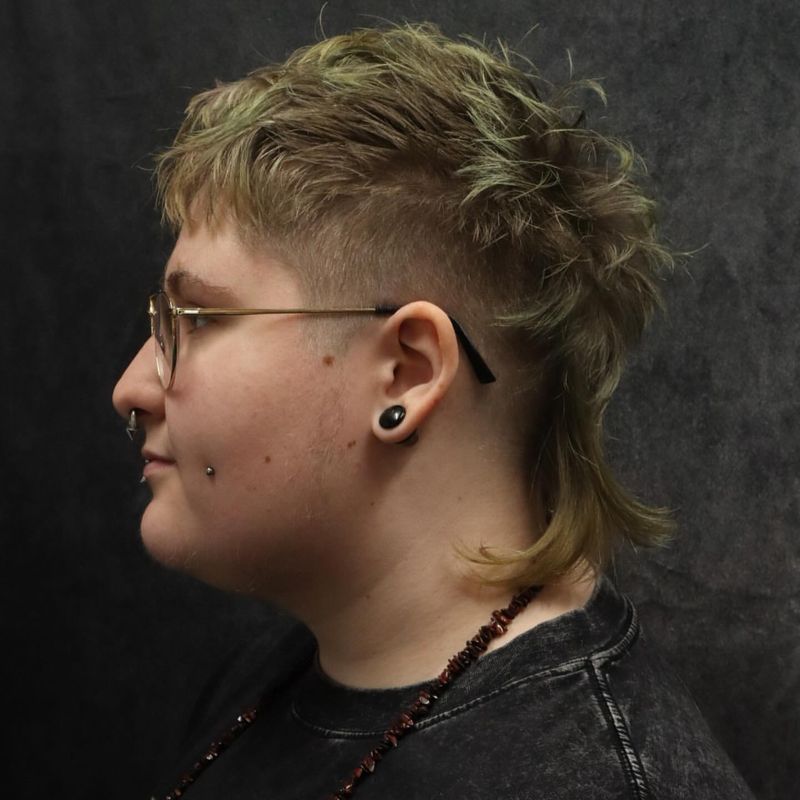
The rattail mullet was an unconventional blend of two notorious hairstyles. This style was a daring choice, often seen as awkward and difficult to pull off in mainstream fashion, catering more to niche subcultures.
42. The Mushroom Cut
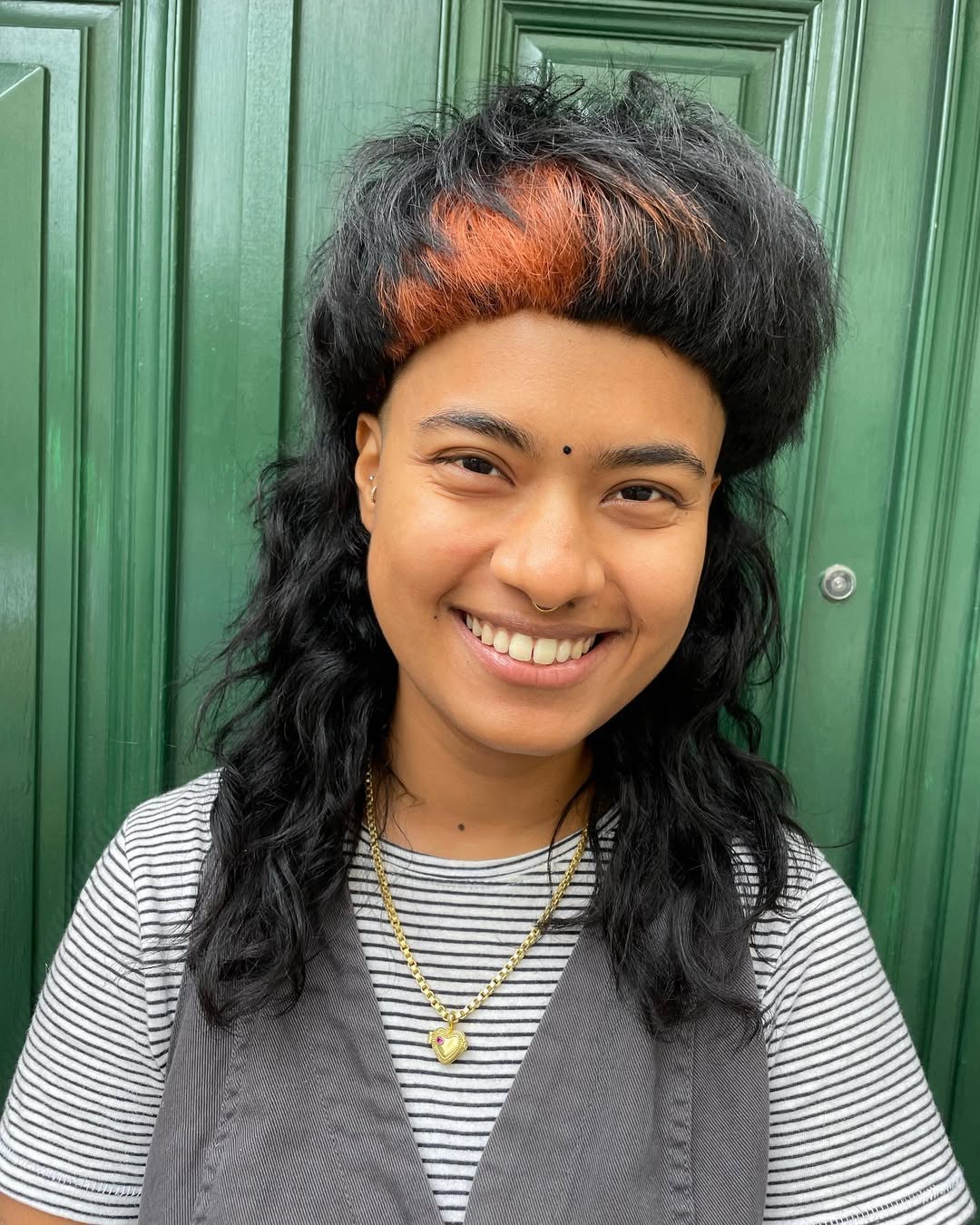
The mushroom cut, with its rounded shape and bulky appearance, is a cringe-worthy hairstyle from the ’80s and ’90s. It often overwhelms the face and feels outdated today.
43. Mullet-Hawk
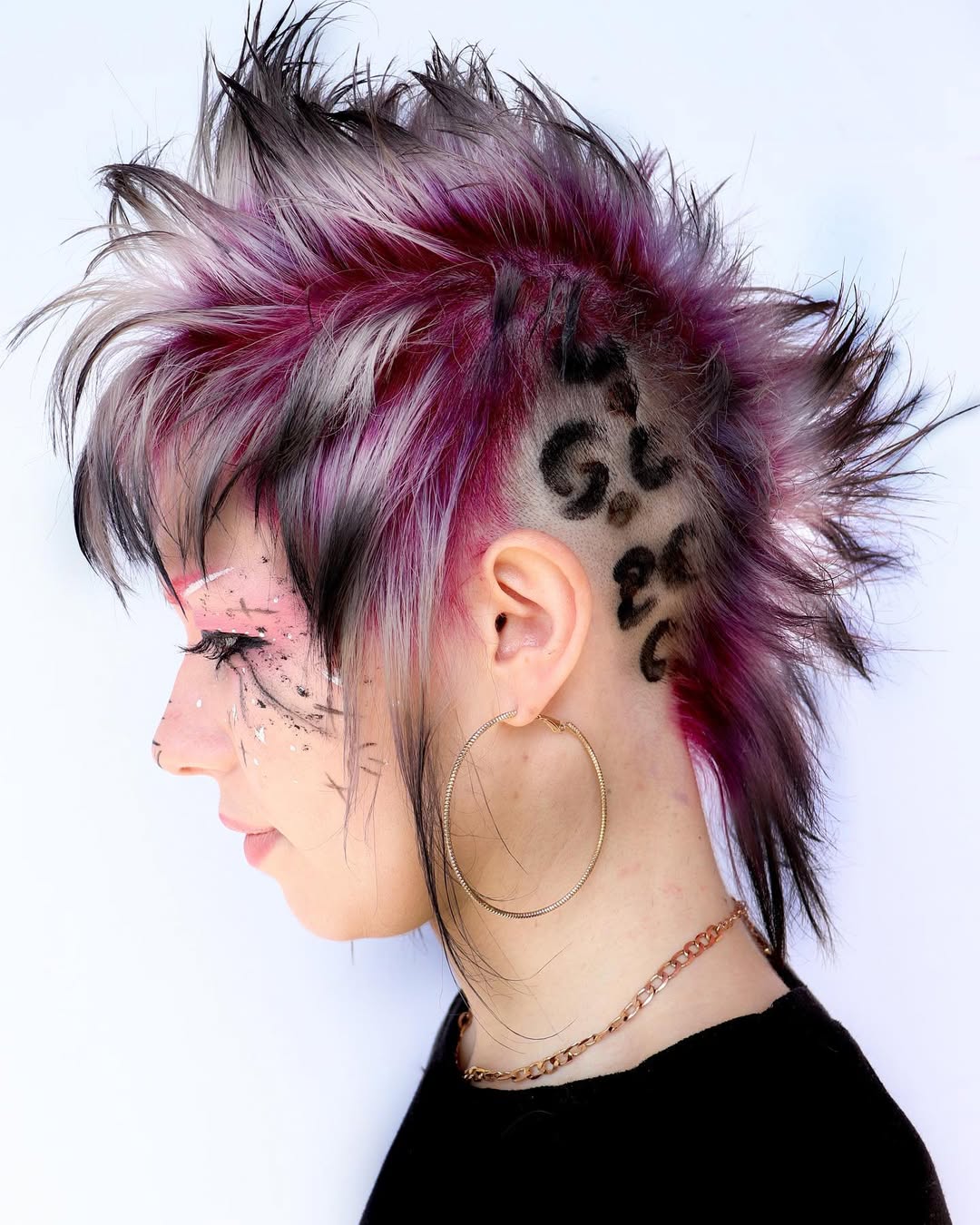
The mullet-hawk, blending a mullet with a mohawk, is one of the worst haircuts ever. It combines two styles that shouldn’t mix, resulting in a chaotic, unflattering look!